From Azonto to Shaku Shaku: African Dance Moves That Travelled the World
African dance moves have become a dominant force in global pop culture, fuelled by the rise of social media and the unstoppable momentum of Afrobeats and other African genres. What started as spontaneous expressions in neighbourhoods, schoolyards, and busy street corners has become a global movement. From the early 2010s to today, dance styles born […]
 Black News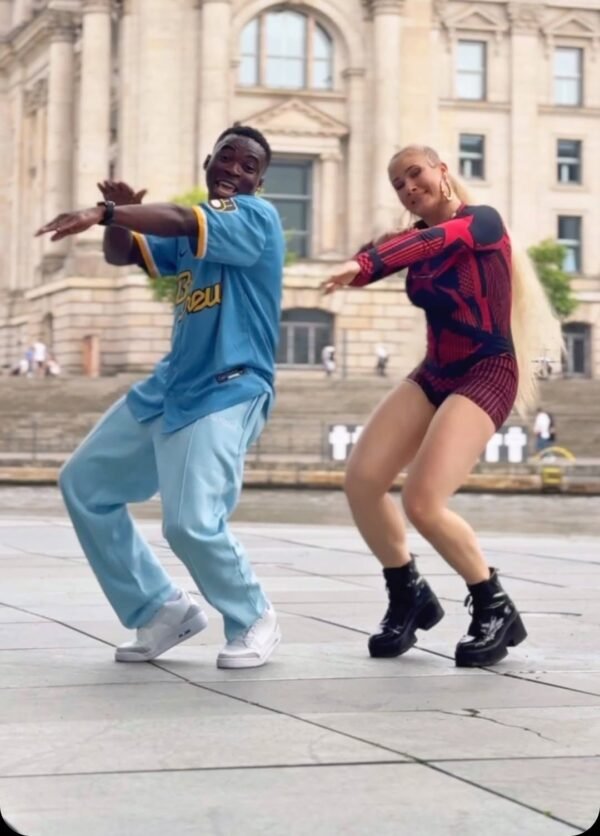
African dance moves have become a dominant force in global pop culture, fuelled by the rise of social media and the unstoppable momentum of Afrobeats and other African genres. What started as spontaneous expressions in neighbourhoods, schoolyards, and busy street corners has become a global movement.
From the early 2010s to today, dance styles born on the streets of Accra, Lagos, Johannesburg, and other African cities have crossed borders, transforming from localised cultural expressions into international dance challenges embraced by celebrities worldwide. Here are some of the most influential African dances that have travelled the world.
Azonto (Ghana)
No dance move has ever seized a cultural moment like Azonto. Azonto emerged in the early 2010s in Accra and became more than just a dance; it became a language of expression. The dance consists of knee bends and hip movements to imitate everyday activities. Artists like Sarkodie and Fuse ODG played a major role in popularising Azonto globally, incorporating the dance into their music videos and live performances. Later, dance crews and fans in Europe and North America were mimicking the moves, making Azonto one of the first African dances to capture widespread international attention.
Amapiano Dance (South Africa)
Amapiano dance, which stems from the Amapiano music genre, focuses on slick footwork, fluid body movements and coordinated group routines. Originating from townships in Johannesburg and Pretoria, Amapiano dance styles quickly gained popularity through music videos and club performances. Kabza De Small and DJ Maphorisa have helped propel Amapiano music to international audiences, while dancers performed viral routines online. Now Amapiano dance is everywhere, from international festivals to viral TikTok challenges, and it’s a testament to the genre’s massive cultural footprint.
Alkayida (Ghana)
Before today’s viral dance crazes, Alkayida was a defining youth movement in Accra. Alkayida’s rapid footwork and rhythmic arm movements were a reflection of the energy of the Ghanaian street culture. The dance gained traction through performances in music videos and live shows, spreading quickly across schools and social gatherings. What made it popular was its flexibility, allowing dancers to improvise and make the routine their own. Alkayida is still one of the fundamental dance moves that helped position Ghana as a global dance powerhouse, although newer styles have replaced it.
Shoki (Nigeria)
Shoki rose to prominence through songs by artists like Lil Kesh. The dance is playful, expressive, and easy to replicate. It spread across Nigerian cities and eventually appeared in international dance videos, becoming one of the most recognisable Afrobeats-era movements.
Gwara Gwara (South Africa)
The global popularity of Gwara Gwara marked a defining moment for South African dance culture. Emerging from local street scenes, the dance gained worldwide attention when artists like DJ Bongz helped popularise it through performances. Gwara Gwara’s distinctive arm movements and footwork made it visually striking and instantly recognisable. Its international breakthrough came when global performers adopted the dance in high-profile performances, introducing audiences worldwide to South African movement culture.
Zanku (Nigeria)
Popularised by Zlatan Ibile, Zanku, also known as the ‘Legwork’, is one of the most influential dance trends of the late 2010s. Fast-paced footwork defined the movement, creating a high-energy routine that demanded rhythm and coordination. Zanku quickly became the centrepiece of club culture, appearing in music videos, concerts, and social media clips worldwide.
Kupe Dance (Ghana)
The Kupe Dance rose to prominence alongside the hit track ‘Kupe’, becoming one of Ghana’s most recognisable exports during the late 2010s. With its distinctive hand gestures and rhythmic steps, Kupe became widely performed at parties and concerts across West Africa. Its spread across social media platforms helped introduce new audiences to Ghanaian dance culture.
Ndombolo (DR Congo)
Long before the modern dance styles, Ndombolo dominated dance floors across Central Africa. Originating in Kinshasa, Ndombolo influenced countless dance movements across the continent. Its rhythmic hip movements and expressive style laid the foundation for many contemporary African dance traditions.
Pilolo Dance (Ghana)
Known for its playful rhythm, Pilolo Dance captured the imagination of youth audiences with its energetic style. The dance’s appeal lay in its accessibility, as participants didn’t require formal training to join in. This simplicity allowed Pilolo to travel quickly across communities and social gatherings. Famous singer Janet Jackson also incorporated it in her performance.
Shaku Shaku (Nigeria)
The Shaku Shaku dance was born on the streets of Lagos and had a playful, rebellious energy that resonated with youth culture. Shaku Shaku, with its exaggerated arm swings, bent knees and rhythmic footwork, became the dance of the Afrobeats explosion. The dance was popularised by Nigerian singer Olamide through music videos and live performances. Shaku Shaku caught the wind of social media and travelled across the world at a speed never seen before. In months, dancers on different continents were doing the moves in viral videos.
The World Keeps Learning the Steps
From the early days of Ndombolo to the modern viral waves of Amapiano, African dance continues to shape global pop culture in ways that extend far beyond music. Each movement carries history, creativity, and community spirit. They reflect not just rhythm, but identity. Somewhere, right now, in a crowded club, schoolyard, or street corner, the next dance move is already being created, waiting to take its place on the global stage.