Oil Prices Surge To $120 Per Barrel
By IOL Reporter Market dynamics reflected a somber mood yesterday as investors grappled with warnings from the US Federal Reserve regarding inflation alongside escalating tensions sparked by the US-Iran war. […]
 Black News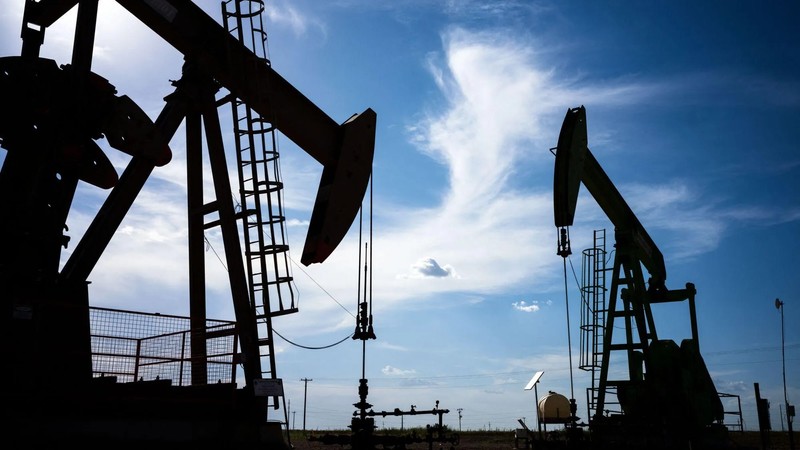
Market dynamics reflected a somber mood yesterday as investors grappled with warnings from the US Federal Reserve regarding inflation alongside escalating tensions sparked by the US-Iran war.
These factors conspired to keep market participants on edge, leading to a largely mixed performance on Wall Street.
The major indices displayed a cautious posture as the S&P 500 edged slightly lower, while the Dow Jones Industrial Average sank by 0.6%, heralding a day of pervasive uncertainty across US markets.
Bianca Botes, Managing Director at Citadel Global, aid, “However, shortly after the closing bell, the landscape appeared to shift slightly as earnings reports streamed in from key players within the so-called “Magnificent Seven” tech stocks. Despite this positive news, Meta Platforms found itself under pressure, struggling with pessimistic spending forecasts that kept its shares subdued.”
She added that conversely, tech stocks across Asia showed resilience in response to promising earnings, fuelling a rise in the MSCI Asia Pacific Index, which is anticipated to see a robust 16% gain for the month, offering a glimmer of hope amidst global uncertainties.
Oil prices surge
The energy market also witnessed significant movements, with oil prices surpassing the $120-per-barrel mark.
This spike followed a high-profile meeting between former President Donald Trump and representatives from various oil companies, which reignited fears of sustained blockades and persistent pressures on oil supply.
It also follows the United Arab Emirates’ withdrawal from OPEC which will take effect from 1 May 2026.
It represents the most significant fracture in the organization’s 66-year history and increases the risk of oversupply weakening prices.
The UAE, which joined OPEC in 1967 and grew to become the group’s second-largest producer by liquids capacity, announced its departure on 28 April 2026.
The country’s Ministry of Energy and Infrastructure said the decision follows a review of production policy and capacity outlook and aligns its strategy to accelerate domestic energy investment.
Simon Flowers, Chairman and Chief Analyst at Wood Mackenzie, said, “As the nation with the second-largest liquids capacity in OPEC, the UAE’s exit is momentous. However, it’s not entirely surprising as political tensions between the UAE and Saudi Arabia have been building over the last few years and have intensified in recent months amid the ongoing conflict in Iran.
“UAE’s departure from OPEC will have minimal impact on market fundamentals in 2026, even if the Strait of Hormuz reopens. Gulf countries, including the UAE, will take months to return to pre-war production volumes. Beyond this year, losing the UAE will compound OPEC’s challenge to balance the market and increase the risk of oversupply weakening prices.”
Meanwhile, the price of gold has declined by 3% for the week, now trading at $4,556 per ounce, as central banks’ cautious narratives weigh heavily on investor sentiment. The US dollar has strengthened, buoyed by the hawkish tone emanating from Federal Reserve communications.
“As we move forward into today, all eyes are set on the Bank of England (BoE) and the European Central Bank (ECB), in addition to the release of the EU Consumer Price Index (CPI) and local Producer Price Index (PPI). Market analysts are keenly assessing how these developments could influence the landscape amid an increasingly volatile economic environment,” Botes further said.