Gen Z luxury boom breathes new life into African diamond mining as average U.S. purchase values surpass $4,000
A surge in luxury spending among younger consumers is reshaping the U.S. diamond market and offering fresh momentum for African producers.
 Black News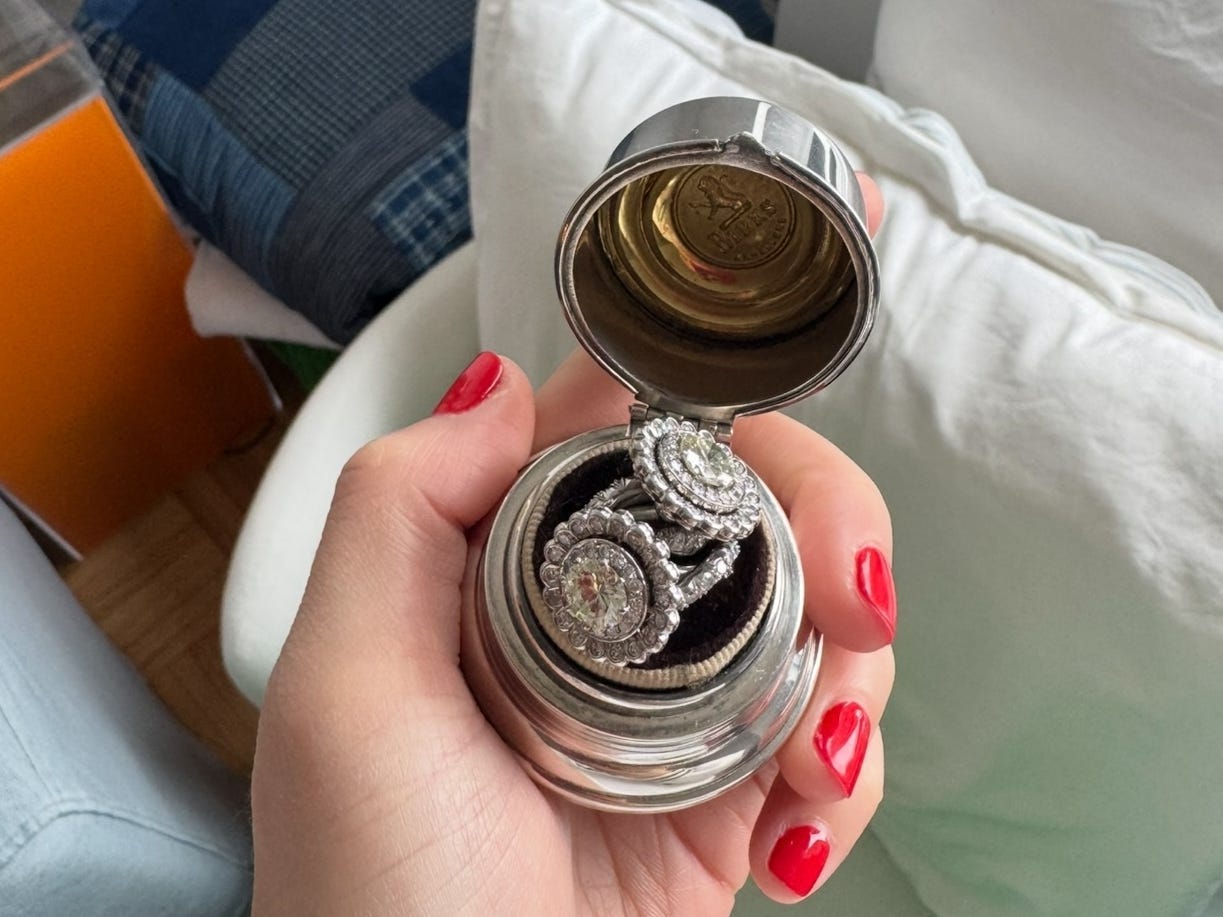

A surge in luxury spending among younger consumers is reshaping the U.S. diamond market and offering fresh momentum for African producers.
- American consumers are showing renewed interest in natural diamonds, offering hope to Africa’s struggling diamond-producing nations.
- Generation Z is driving growth, accounting for 23% of natural diamond demand by value and spending more per purchase than older generations.
- De Beers’ study found that natural diamond jewelry remains the most desired luxury jewelry among U.S. consumers, surpassing lab-grown and other alternatives.
- African countries like Botswana, Angola, Namibia, South Africa, and Lesotho could benefit directly from increased U.S. demand for natural diamonds.
New findings from De Beers’ latest US Diamond Acquisition Study show that Gen Z is driving a notable uptick in demand for natural diamonds, with average purchase values now exceeding $4,000 per piece.
The study, which surveyed 18,500 women across the United States - the world's largest diamond jewelry market, found that 11% of respondents ranked natural diamond jewelry as their most desired luxury gift.
This placed natural diamonds ahead of lab-grown diamonds (8%), other gemstones (5%), and plain gold jewelry (4%).
DON'T MISS THIS: Africa's largest diamond producer courts UAE, Oman to acquire 138-year-old diamond-mining company
The generation is not only spending more than older cohorts but is also expanding diamond buying beyond traditional engagement occasions into lifestyle-driven purchases such as career milestones, celebrations and self-gifting.
For African producers, the findings are particularly significant. Countries such as Botswana, Angola, Namibia, South Africa and Lesotho account for a substantial share of the world's natural diamond supply, making them direct beneficiaries of stronger consumer demand in the U.S.
Gen Z is spending more, not less
One of the study's biggest surprises was the growing influence of Generation Z.
Despite accounting for just 18% of the U.S. population, Gen Z now represents 23% of natural diamond demand by value. The generation is also spending significantly more than older consumers, with average purchases reaching $4,080 per piece compared to $2,250 for Baby Boomers.
The report found that younger buyers are increasingly purchasing diamonds for reasons beyond engagements and weddings.
While bridal purchases still account for 45% of Gen Z demand, consumers are increasingly buying diamonds to celebrate promotions, career milestones, birthdays, achievements, or simply as personal rewards.
This shift has helped push average natural diamond jewelry prices up 25% to $4,063, compared to $3,242 in 2023, while average carat weights increased from 1.65 carats to 1.86 carats.
Good news for African mining economies
The findings come at a crucial time for Africa's diamond sector.
Botswana, whose economy remains heavily dependent on diamond exports, has faced slowing growth amid a prolonged downturn in global diamond demand. Similar pressures have affected producers across southern Africa as lab-grown diamonds gained market share.
DON'T MISS THIS: Against all odds, Zimbabwe bets big on diamonds amid global industry challenges
However, De Beers' report suggests natural diamonds continue to command the overwhelming majority of value in the market.
Data from 950 independent U.S. jewelers showed natural diamonds accounted for 85% of diamond jewelry sales value in 2025, compared with just 15% for lab-grown stones.
Combined with expectations of declining global natural diamond production and signs of stabilizing demand in key markets such as the U.S. and China, the latest consumer trends offer a potential lifeline for Africa's diamond-producing economies.
For countries whose export earnings, government revenues, and mining jobs depend heavily on diamonds, America's enduring preference for natural stones could prove to be one of the industry's most important tailwinds in years.