Inside Ti Blan: Navigating Haitian-American Identity
In celebration of Caribbean Heritage Month, we’re spotlighting Ti Blan. For some of us, growing up Haitian often means growing up around three things: Lekòl, Lakay, Legliz — school, home, and church. But even with those roots, knowing where you belong isn’t always simple. Ti Blan follows a teen sent to live with his estranged…
 Black News

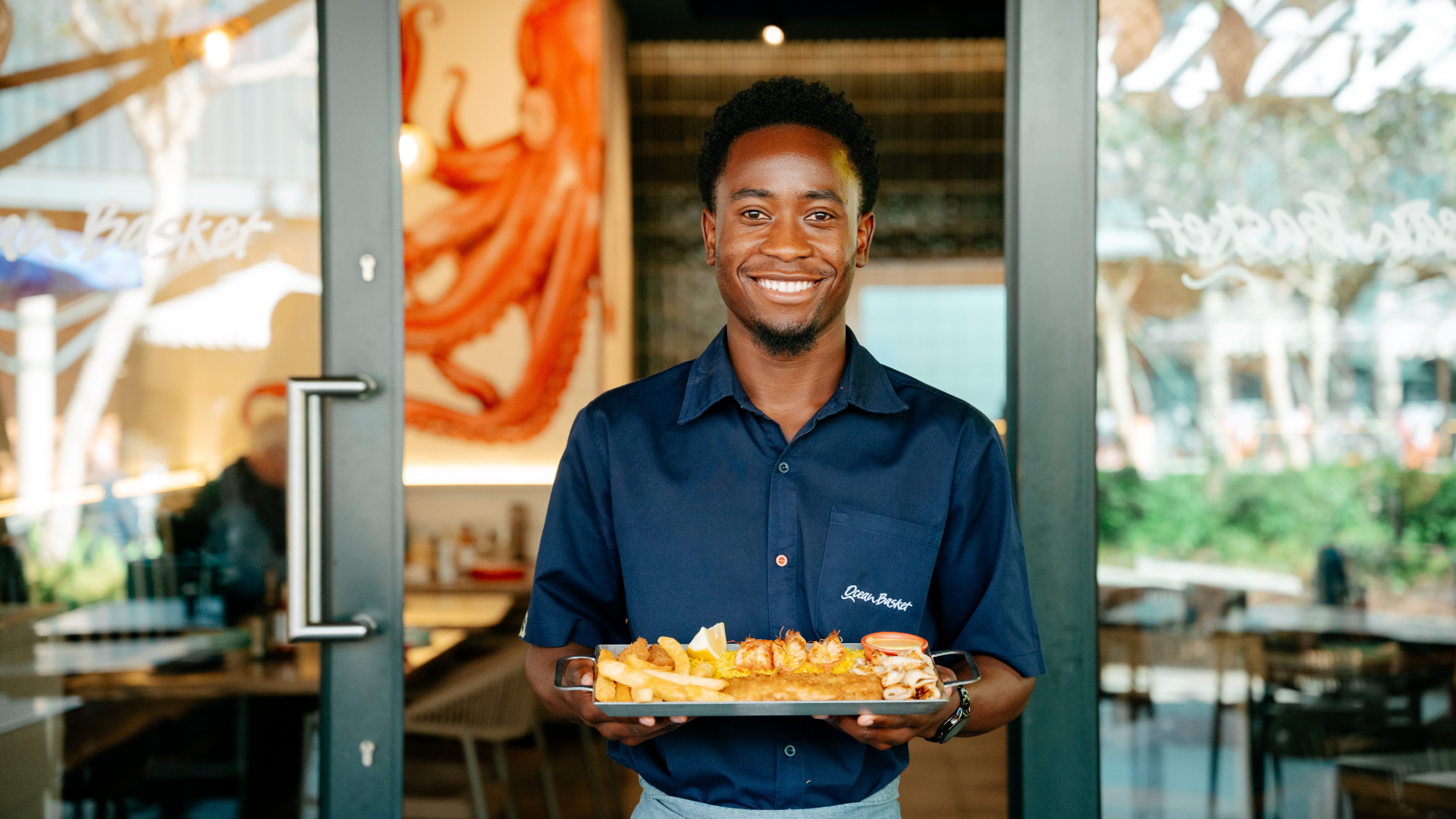
In celebration of Caribbean Heritage Month, we’re spotlighting Ti Blan. For some of us, growing up Haitian often means growing up around three things: Lekòl, Lakay, Legliz — school, home, and church. But even with those roots, knowing where you belong isn’t always simple. Ti Blan follows a teen sent to live with his estranged grandmother, where working at the family restaurant stirs up questions about cultural expectations and the feeling of not being “Haitian enough”.
Created by Noah Laforest as a thesis film at NYU, the project is rooted in his lived experience navigating Haitian-American identity. Featuring a predominantly Haitian emerging cast, the film prioritizes authenticity in both performance and storytelling. Below, Laforest reflects on Ti Blan and the importance of telling stories rooted in cultural identity.
Let’s start with the title, Ti Blan, a name many Haitian-Americans who’ve been called “Americanized” can relate to. What does the name mean to you, and what inspired you to choose Ti Blan as the title of the film?
The title originates from a moment I had while working at my family’s old restaurant a few years ago. I grew up not being able to speak Creole, and one of the cooks knew that and kept calling me “Ti Blan.” I had no idea what it meant at the time, so I asked my cousin, who was working there with me, and she explained it. I then went on to spend most of that summer being called out and judged by customers for my broken Creole. But it was after that initial moment that a light bulb went off in my head. I knew I had to create a film or show that tackled this experience, and I knew I had the perfect name for it.
The film really captures the Haitian-American experience, especially through the lens of someone who feels disconnected from their culture. What inspired you to tell this particular story from that perspective?
My whole life I’ve always felt both connected and disconnected from my Haitian culture. My father came here when he was very young, and my mother was the first of her siblings to be born here, so growing up I had a very “Americanized” upbringing in a sense. But there were still aspects of my upbringing and values that aligned closely with Haitian culture. I think not being able to properly communicate and speak the language is what stuck out to me the most. My grandmother on my dad’s side only spoke Creole, so I never got to properly communicate with her. She passed away around the time I started working at my family’s restaurant, and I used a lot of the regret I had about how far our bond could go to fuel this story, especially the relationship between Junior and Mama. It always felt like a tug-of-war. So if I was going to tell a story about that conflict, I wanted it to feel authentic, and I felt the language barrier was the best way to introduce that layered disconnect.

Was there a misconception about Haitian or Haitian-American identity you wanted to challenge?
I think there are a lot of misconceptions about being Haitian or Haitian-American. I wanted to highlight the beauty that’s always been there: the food, the language, the traditions, the sense of community, and the importance of family. Those are the things I grew up around and the things that shaped me. There’s also a lot of misinformation and harmful stereotypes out there, especially about Haitian people and our culture. By showing these everyday moments and traditions, I wanted to present a more authentic and human portrayal, one that celebrates the richness of the culture rather than reducing it to the misconceptions people may have.
Ti Blan touches on family expectations, especially the pressure to pursue traditional careers like law, medicine, or engineering. How did your own experience shape that part of the story? And was your family supportive when you chose filmmaking?
I was extremely fortunate to have parents who always supported my creativity, but I was aware that wasn’t always the case for other family members and friends. So I was inspired by those experiences when putting this story together. I was always a creative child. From a very early age I was always writing short stories so my parents put me in writing camps, and as I got older they enrolled me in filmmaking programs in New York City. I also did drama club when I was younger, and they supported me every step of the way. Whether it was acting in my early short films or helping out on this pilot, they’ve always shown up for me. My mom was on set with us every day doing whatever she could. My father has always had an artistic side that, because of that traditional Haitian mindset, I don’t think he was ever fully able to tap into himself. That inspired me as well and definitely found its way into the story.

What were some of the biggest challenges in making the film?
To this day, the most important thing to me is that the film feels authentic and that the characters never come across as caricatures. I know my community can be very opinionated when it comes to representation, and rightfully so. The biggest pressure I felt was making sure that when people left the screening, they felt like they had just watched their own family on screen. That commitment to authenticity influenced every part of the process, especially casting. It was very important to me that we cast actors who genuinely understood the culture, the language, and the family dynamics. We spent a lot of time searching for Haitian talent because I wanted the performances and relationships to feel as real as possible.
How similar are you to the main character, Junior?
I wrote Junior to be loosely based on me. His disconnect from his culture, although more exaggerated than mine, definitely comes from my own experiences. He also has my sassiness and my ambition to be an artist. I will say he’s a bit more of a troublemaker than I am, even though he means well.
While the story is rooted in the Haitian-American experience, it feels universally relatable. What audiences or communities have connected most with the film outside of the Haitian community?
I think a lot of Caribbean and Latino audiences who have seen the film have also left feeling seen because of the similarities and overlap in cultural values. That was one of my goals from the beginning: How do I make something specific while still making it relatable to broader audiences? I think that happens through the universal theme of family. I have friends who aren’t Haitian but were raised by their grandmothers or had grandparents who played a major role in their upbringing. Those emotional connections translate beyond culture.
There are so many unspoken cultural rules in Haitian culture, like greeting everyone when you walk into a room. What’s one you grew up with that still sticks with you?
Definitely the way I greet adults. Sometimes I have to stop myself from going in for the cheek kiss with certain people, I can’t help it. Also, sleepovers are still a big no for me. Even now, at my grown age, I’d much rather find a way back home and sleep in my own bed.
Let’s talk food: What are your top three Haitian dishes?
My favorite topic. Favorite meal hands-down is White rice, griot, and sos pwa. I love the way my Mama cooks it. I also love diri ak pwa and makawoni au gratin.
The film shows Junior gradually reconnecting with his culture. What do you hope audiences take away from that journey?
I hope audiences see a little bit of themselves in Junior and think more deeply about what shapes them. I hope they’re moved by the love within the family, even when that love can seem complicated at times. And I hope they walk away with a fresher glimpse into the Haitian-American experience, one that shows how beautifully complex and layered we are.
What advice would you give to other Haitian or Caribbean creatives who want to tell their own stories?
Go out and tell it. Everyone has a platform these days. As long as it’s coming from the heart, I think it will resonate. Now more than ever, we need these stories to be told by the people who’ve actually lived them.
The pilot was recently screened at the American Black Film Festival. What’s next for Ti Blan, and how can people continue to support the project?
We’ve only just begun the festival run, so keep up with us on Instagram @tiblan.series to see where you can catch us next. Spread the word, tell your friends and family about the project, and hopefully I’ll see you at a future screening.
To learn more, watch the trailer here or visit the website, TiBlanSeries.com
Photo Credit by: Ti Blan Series


%20(2)5.jpg)