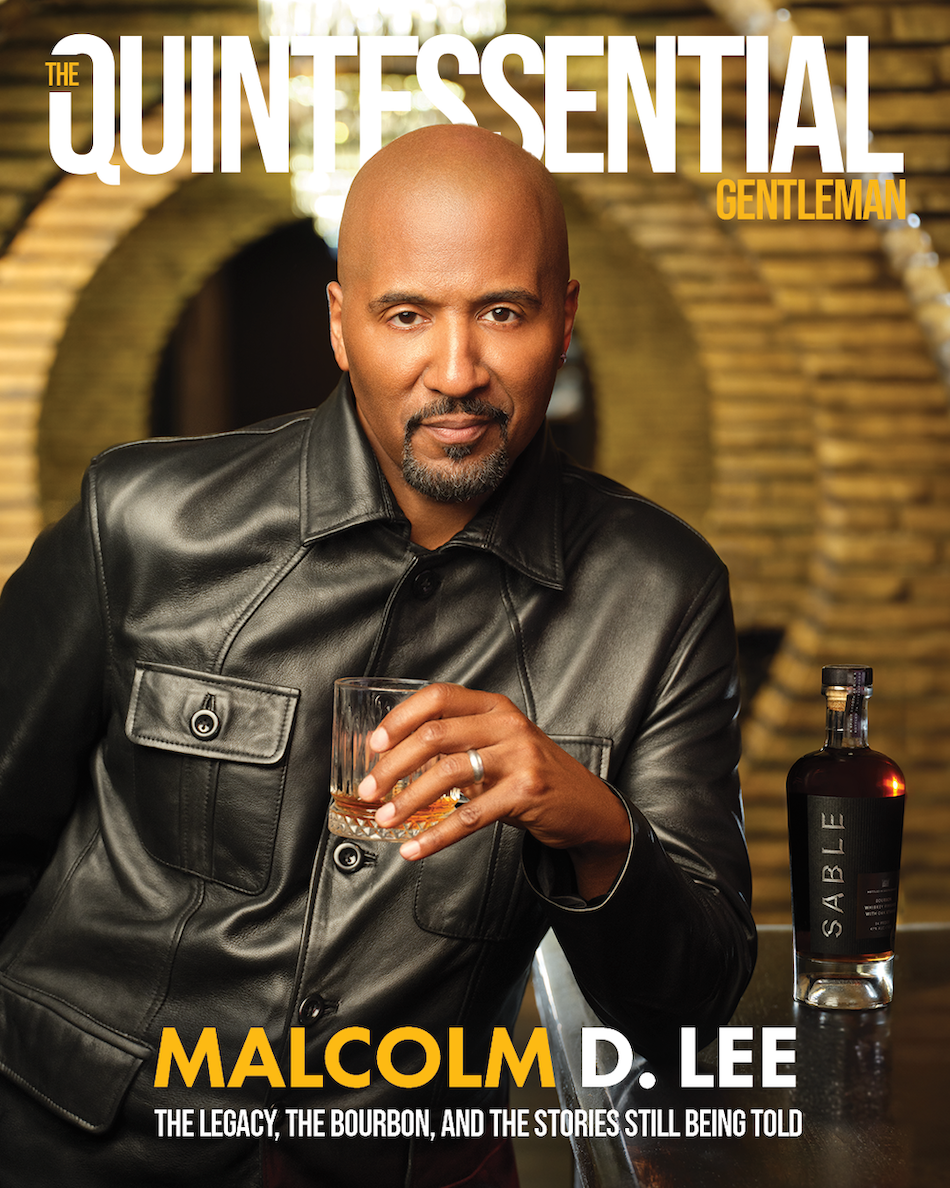
Malcolm D. Lee: The Legacy, The Bourbon, and The Stories Still Being Told
Malcolm D. Lee on The Best Man, SABLE Bourbon, Strung, and why his best storytelling is still ahead of him. The post Malcolm D. Lee: The Legacy, The Bourbon, and The Stories Still Being Told appeared first on The Quintessential Gentleman.
 Black News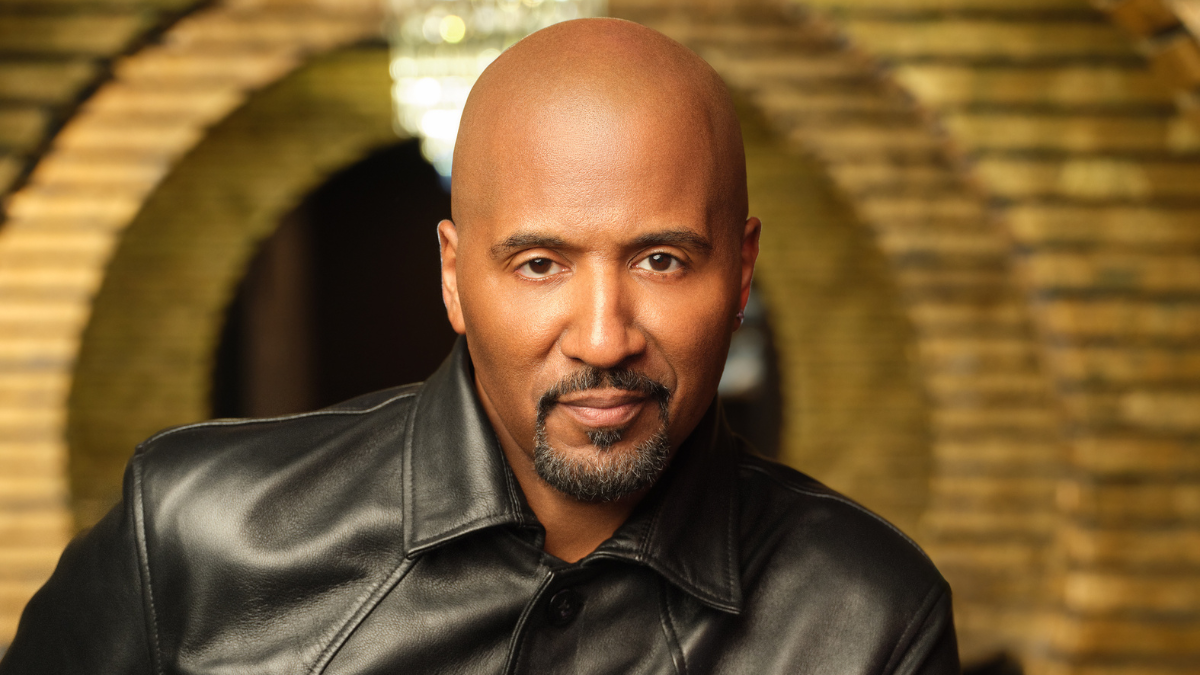
There is a moment early in a conversation with Malcolm D. Lee where you realize that everything he has built, the films, the franchise, the novel, the bourbon, the thriller, connects back to a single conviction: Black people deserve to see themselves fully on screen.
Not as supporting characters in someone else’s story. Not as stereotypes or archetypes. But as full, complex, aspirational human beings with interior lives as rich and contradictory as anyone else’s.
That conviction has driven one of the most quietly influential careers in Black cinema. From The Best Man in 1999 to Girls Trip in 2017, the first film with a full African-American creative team in front of and behind the camera to gross more than $100 million domestically, to the Peacock limited series The Best Man: The Final Chapters to Strung, his first psychological thriller now streaming on Peacock, Lee has spent more than two decades building an uncompromising body of work.
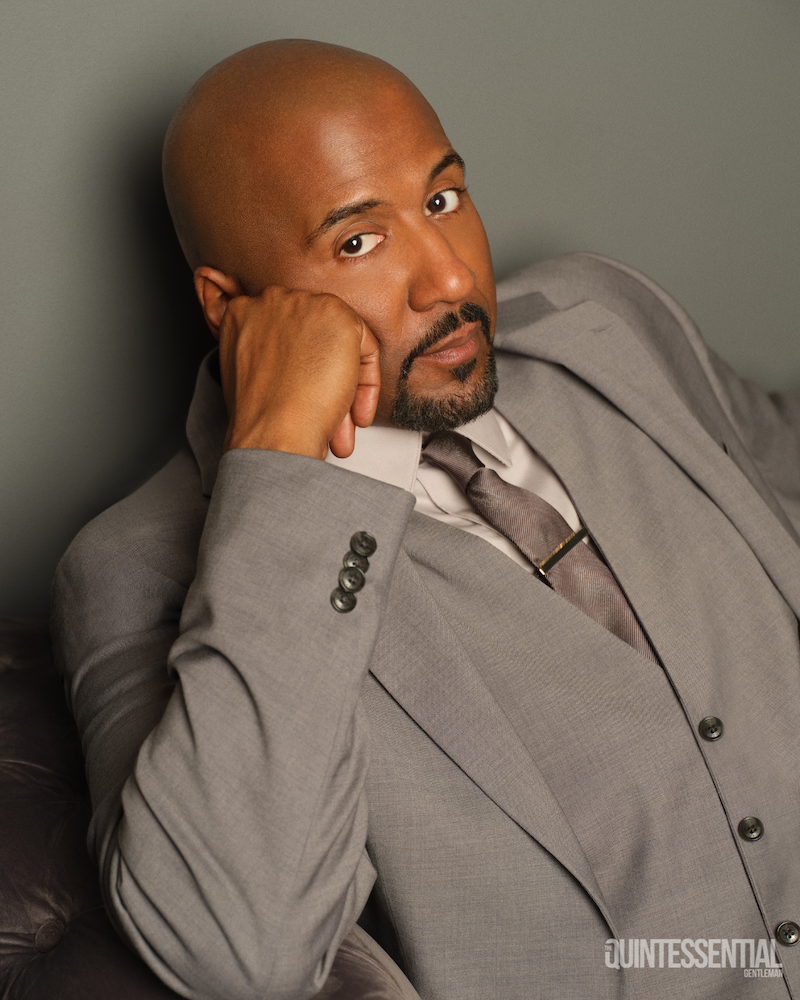
His production company is called Blackmaled Productions. That choice of name tells you everything.
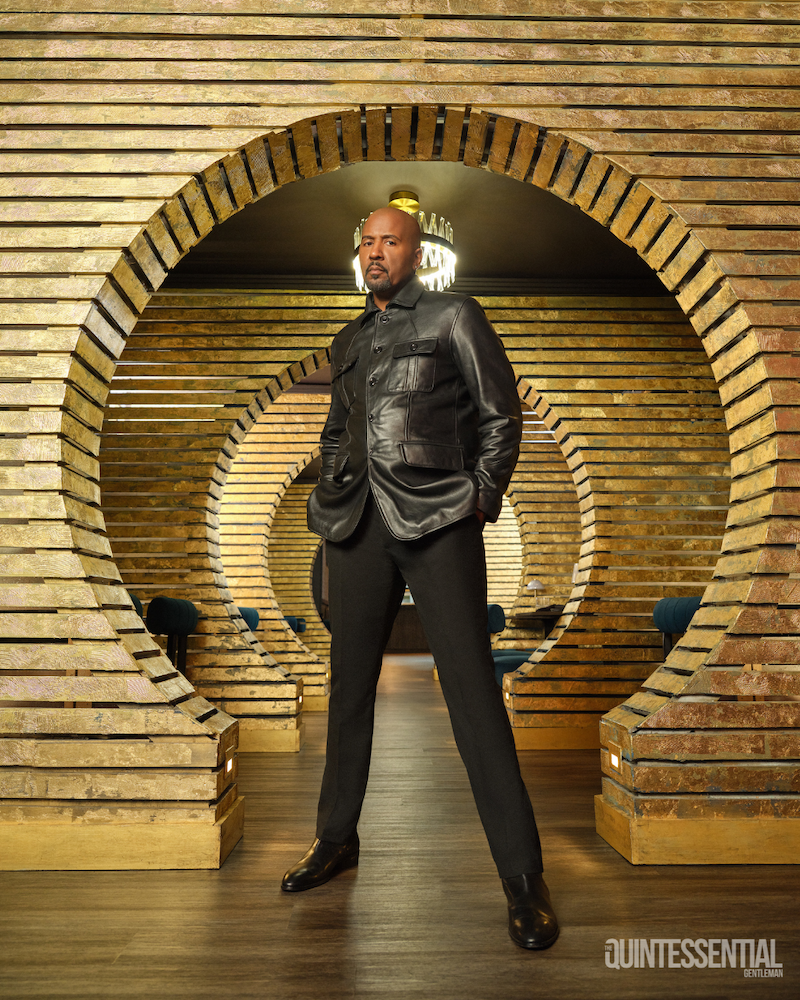
Lee carries Brooklyn with him wherever he goes. “I grew up here,” he said during The Quintessential Gentleman‘s cover shoot interview, standing inside The Gentleman’s Kitchen off Flatbush Avenue in the borough that shaped him.
“The vibe, the people, the energy, it’s part of who I am, part of my identity. I don’t know, maybe there’s a little bit of swagger there, there’s a little bit of bravado. I’m very proud to say I’m from Brooklyn, and I think it informs my work to a certain degree.”
That informs everything: the confidence to tell stories nobody else was telling, the conviction to protect the way Black people are represented, and the bravado to keep expanding into new territory when the industry would have been perfectly comfortable with him staying put.
When Lee wrote The Best Man in 1998, he was filling a void he felt personally. “It was really targeted for Black men,” he said. “The ones [Black projects] that I was seeing were very stereotypical, very archetypal. And I really wanted to showcase and center Black men who are college-educated, who were friends but all had different kinds of philosophies on life and outlooks, women, relationships, career, and whatnot. But they’re all upwardly mobile, aspirational characters that I felt like was representative of the people I went to school with.”
The film, which he made when he was just 30 years old, hit number one at the box office opening weekend and became a cultural classic for a generation. “I think it spoke to a generation of Black folks who were born between ’65 and 1980 that had a voice,” Lee said.
It introduced audiences to Harper Stewart [Taye Diggs], Jordan Armstrong [Nia Long], Robin [Sanaa Lathan], Quentin Spivey [Terrance Howard], Lance Sullivan [Morris Chestnut], Julian Murch [Harold Perrineau], Candace [Regina Hall], and Shelby [Melissa De Sousa], a group of college friends brought back together by a wedding, and gave Black audiences something they had rarely been offered in the mainstream: the complexity of their own lives, rendered with care, humor, and emotional honesty.
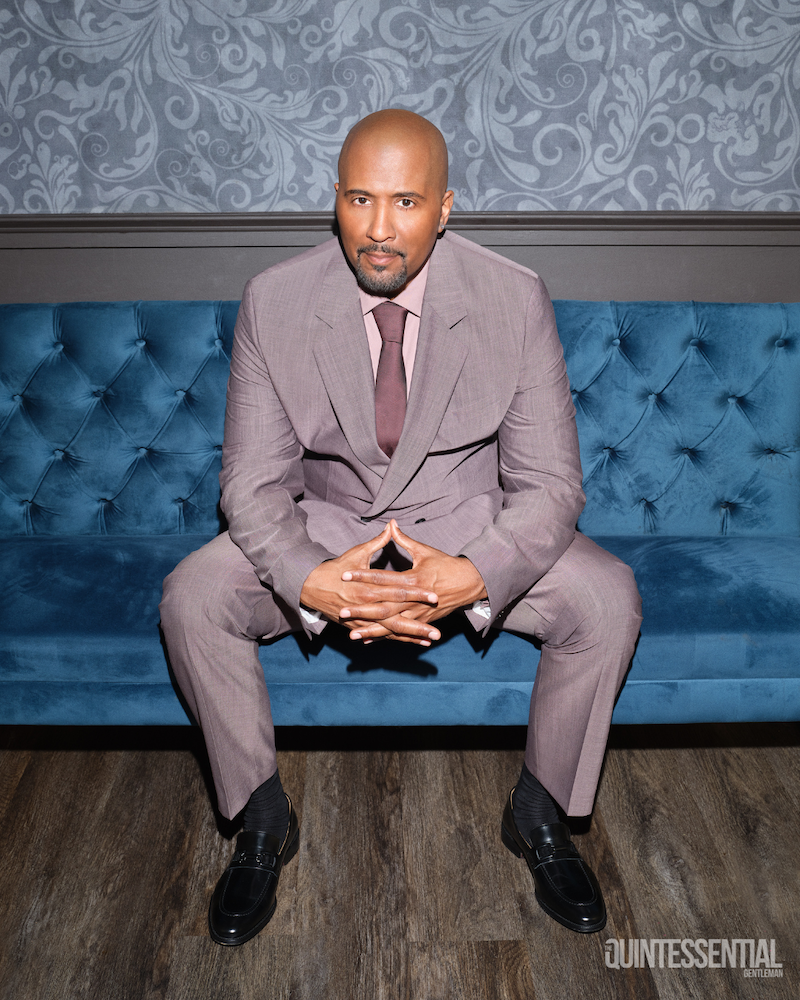
What followed was a franchise that refused to let these characters go. A 2013 holiday sequel, The Best Man Holiday, outperformed every industry expectation and reignited the conversation around what Black ensemble films could do at the box office. Then came The Best Man: The Final Chapters, an eight-part limited series on Peacock that allowed Lee to give these characters a proper conclusion, or so he thought.
“The Best Man‘s legacy is pretty incredible,” he said. “I mean, to think that I made a movie in 1998, which came out in 1999, spawned a sequel, then a television show, and now a novel, is very incredible. And that people still want to engage with these characters. It’s the proven point that people want to be seen. They want to be represented. They want to be reflected in their art, in what they consume. They don’t want to just see one kind of person. They want to be included in art and they want to laugh and they want to feel. I’m grateful that The Best Man has something to say to my generation, no matter how old we get. Who knows, it may be a Best Man Assisted Living at some point.”
After the Peacock series, Lee believed the story was complete. And then he started thinking about what else these characters had left to say, not on screen, but on the page.
“After I had done The Best Man: The Final Chapters on Peacock, I felt we were done telling the story,” he said. “But I long wanted and fantasized about being a novelist. And I thought, ‘Here’s my chance to try that with some characters that already have a backstory.’ And it turns out that they did have more to say.”
The result is The Best Man: Unfinished Business, his debut novel, the first in a planned trilogy, published through Storehouse Voices, a new imprint in the Crown Penguin Random House Group founded and run by Black women. The book won the inaugural Astra Award for Best Debut Book in April 2026. It picks up where the Peacock series left off, centering Harper, Robin, and Jordan while weaving in the full ensemble that audiences have grown up with.
“I wanted to explore what life was like for Harper and Robin in particular, after divorce and Robin moving to a different country, and Harper deciding to move into his new life where he has gotten everything he’s won, in terms of being a Pulitzer Prize winner, he’s got the money, he’s got the success, a plethora of bedfellows, let’s call them. But he’s alone and not really satisfied. Whereas Robin has grown and moved on. She’s kind of reborn in Ghana. And then there’s Jordan, who has moved on and she’s in her therapy era, her self-care era.”
The decision to set part of the book in Ghana required Lee to go there himself. He’d been to South Africa but never to the motherland. His co-writer Jane convinced him they needed to make the trip, and he understood why the moment he arrived.
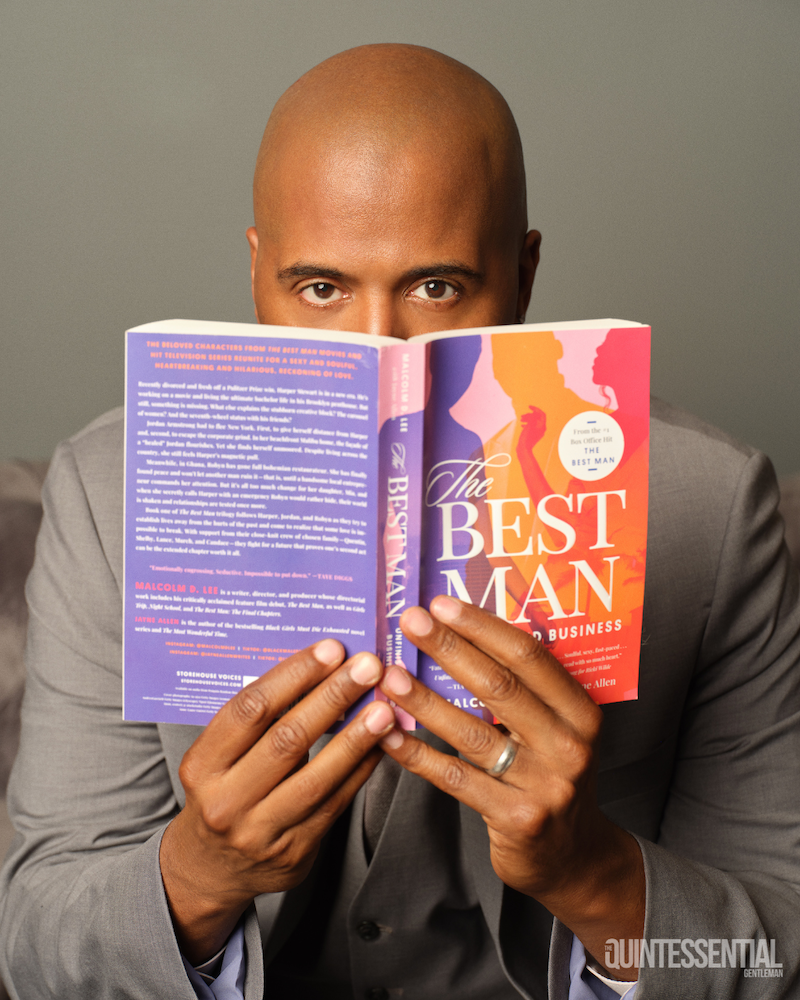
“You can’t learn but so much through the Internet or through talking to people or whatever,” he said. “So being there was a beautiful experience. I got to touch ground on the land. I got to see the people. I got to see the sites. I got to taste the food. I got to smell the air. I got to feel some of the historical significance of where our ancestors were taken from. Accra is a city on the rise, they’re really bustling. And so for myself, it was a necessary nourishment for myself. And also really bolstered Robin’s story in the book in a really profound way.”
The novel format, he says, offered something the screen couldn’t. “It’s incredibly difficult to get a number of those working actors back together. And it always took us a long time between projects. With a book, you can give it to them much sooner and you can go much more in depth.” The Best Man: Unfinished Business is available now everywhere books are sold.
The same brotherhood that built The Best Man is now behind a bourbon. SABLE, the spirit co-founded by Lee alongside Diggs, Chestnut, and Perrineau, was born on the set of the Peacock series, where, as Lee tells it, the fellas were always together with a glass of brown liquor in hand.
“When we conceived the idea of creating our own bourbon, our own brown spirit, it was born out of one, working together on The Best Man and all The Best Man iterations, but particularly on the Peacock show, we found that the fellas were always hanging out and having a brown liquor of some sort,” he said. “It was Harold Perrineau’s idea to say, ‘Hey, let’s make it one of our own.'”
The name SABLE means “black”, and the spirit was designed to embody everything the franchise stands for. “Sable Bourbon is bottled in brotherhood, and it’s really emblematic of not only our working relationship but our friendship. These three cats were at my wedding. So they were integral to my life experience, my private life experience, as well as my professional.”
Lee describes the bourbon’s character the way he describes his on-screen characters: rich, aspirational, accessible, and smooth. “It’s a little bit sweet, but got some kick, but doesn’t burn. It feels just right. It’s very, very smooth. Just like the cats in The Best Man.”
He also situates SABLE inside a broader call to action for Black business ownership that feels urgent right now.
“It is vital that we not only create our own businesses and support each other’s businesses. Now more so than ever, maybe not more so than ever, but certainly we are circling the wagons right now with who we are as a people and we have to get out of the mindset that the white man’s ice is colder, because it’s not. We got cold ice. We got dope fabrics. We got dope designs. We got beautiful minds that are great for the consumer. And we can’t just not support one another. We have to support one another because it is vital to our well-being, our community, and our fortitude.”
Then came Strung, and with it, a version of Malcolm D. Lee that audiences haven’t seen before.
The Peacock Original, produced in partnership with Blumhouse and Tyler Perry‘s company, stars Chloe Bailey as Layla, a violinist who takes a tutoring job for the gifted daughter of an influential and wealthy family, and finds herself pulled into a web of secrets that begin to unravel everything around her.
Lucien Laviscount, Lynn Whitfield, Anna Diop, and Coco Jones round out the beautiful cast. The film is Lee’s first foray into psychological thriller territory, and explains why he finally went there.
“I’ve always been a fan of thrillers, psychological thrillers,” he said. “One of my favorite movies is Fatal Attraction. I love that film and a lot of Adrian Lyne‘s work. I’ve been wanting to stretch my legs and use a different muscle as far as my storytelling skills.”
When the Strung script crossed his desk, the decision made itself. “I just said, ‘Oh man, this is a page-turner and I couldn’t put it down.’ That doesn’t always happen, by the way. And I was talking back to the script, so I knew that it would be something I could sink my teeth into. I could completely see it; it was a no-brainer.”
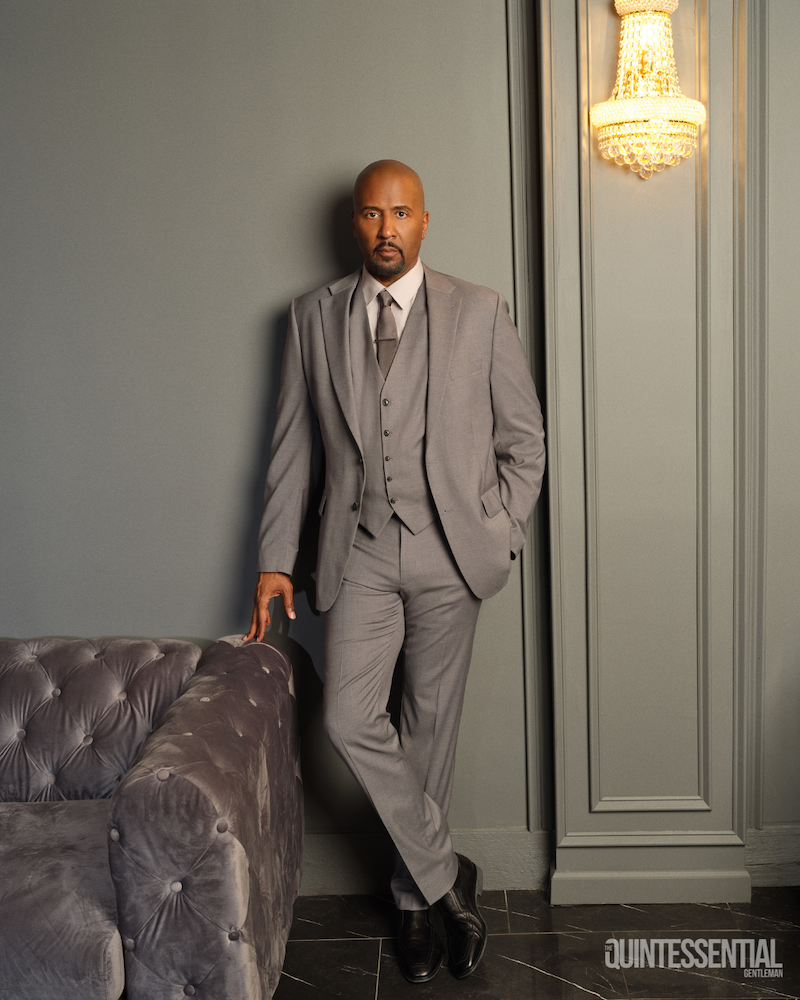
Lee approached the new genre the way he approaches everything, with research, clear intention, and trust in the people around him. “I know story. I know character. I know how to set tone. And so having Blumhouse and Tyler Perry there to drop their pearls of wisdom was great…it was great to to, you know, be in partnership with them”
Lee was deliberate about the film’s casting, assembling a lineup that matches what the story would demand. “I mean, you have certain kinds of people in mind, but until you start looking at lists and meeting with people and talking and auditioning different actors, you don’t know,” he said. “What we assembled is an amazing cast, from Chloe Bailey to Lynn Whitfield to Lucien Laviscount, Coco Jones, Anna Diop. And our discovery, Romy Woods, she’s fantastic in the movie and she deserves a lot of praise.”
One thing that didn’t change between Strung and his previous work is the commitment he has exemplified in a full, authentic representation of Black characters.
“I’m very protective of how we are portrayed in cinema and in the media,” he said. “Because there has been a lot of negative images of us. And I don’t think my characters are completely positive; clearly, they aren’t in this movie. But you do want to give a truer, more authentic representation. A full representation. There’s obviously a lot of trauma with each and every one of these characters. They’re all experiencing their own thing that’s long held.”
As for what he wants audiences to feel when they finish watching: “I hope that they’re very entertained, first and foremost. And then whatever they pull from it, there are some discussion-worthy themes and things that happen in the movie. It’s not that deep, but there’s more than meets the eye when it comes to this film. I hope word gets spread that people encourage each other to go see the movie.”
For what Lee thinks about the current moment in Black storytelling, he’s optimistic, and believes there is a genuine expansion, and he’s adamant that the industry not get comfortable or complacent. “I think we’re in a good place for Black storytelling,” he said. “What’s great is that we are exploring different genres, not just comedy, not just romantic comedy. We’re doing horror, we’re doing thrillers, we’re doing dramas, we’re doing historical pieces. It’s a great place for us to be, and we’ve got to keep building on it.”
The next generation should take his advice as it comes from a Black man who has built an independent lane inside a system that wasn’t created for him to succeed.
“People have to learn to not just go after Hollywood but make their own lane. That’s what Issa Rae did. That’s what a lot of people are doing. That’s what these new YouTubers are doing. The landscape is open. Things get tighter. But there are new voices that are ready, that want to be heard and that want to be consumed by people. People still want to go to a movie theater. They still want to see themselves represented. So the scope and the lane is wide open.”
On the topic of AI, which continues to dominate the headlines, Lee is cautious but clear. “If it’s used responsibly, I think it’s OK. But to think that AI is going to create a script or create some visual effects, it’s always going to get better. It shouldn’t be taking people out of their jobs. There’s a way to handle it. And we have to get a handle on it now before it starts to handle us.”
Malcolm D. Lee is coming off one of the most creatively expansive stretches of his career, a Peacock series, a debut novel that won an award, a bourbon brand built on brotherhood, and a psychological thriller that proves his best storytelling is still ahead of him. He is not slowing down. He is not playing it safe. He is doing what he has always done: finding the gap, filling it with something authentic, and inviting everyone who has ever wanted to see themselves fully to come on in.
Strung is now streaming on Peacock. The Best Man: Unfinished Business is available now wherever books are sold. SABLE Bourbon is available nationwide.
Check out the full interview.
Editor-in-Chief and Art Director: Eric Keith
Photographer: Michael Creagh
Fashion Stylist & Creative Director: Mickey Freeman Represented by The Only Agency
Stylist Assistant: Kris Fraser
Groomer: Eve Chen
Videography: Lawrence Pitts
Graphic Designer: Pamela May
Location: The Gentleman’s Kitchen
The post Malcolm D. Lee: The Legacy, The Bourbon, and The Stories Still Being Told appeared first on The Quintessential Gentleman.









![I Placed My Black Son For Adoption After Rape — His Memoir, ‘Stranger In My Own Story,’ Helped Me Reclaim Mine [Op-Ed]](https://madamenoire.com/wp-content/uploads/sites/9/2026/09/17907998954811-rotated-e1790802025921.jpg?quality=80&strip=all&w=2448&crop=0,0,100,1322px#)