Museveni Threatens to Sack ‘Lazy’ Ministers
President Yoweri Kaguta Museveni on Monday used the opening sitting of Uganda’s 12th Parliament to deliver a stern warning to ministers among leaders whom he accused of failing to mobilize wananchi to benefit from government wealth-creation programs, saying the time had come for every elected official to take responsibility for helping households escape poverty. Speaking […] The post Museveni Threatens to Sack ‘Lazy’ Ministers appeared first on Daily Star.
 Black News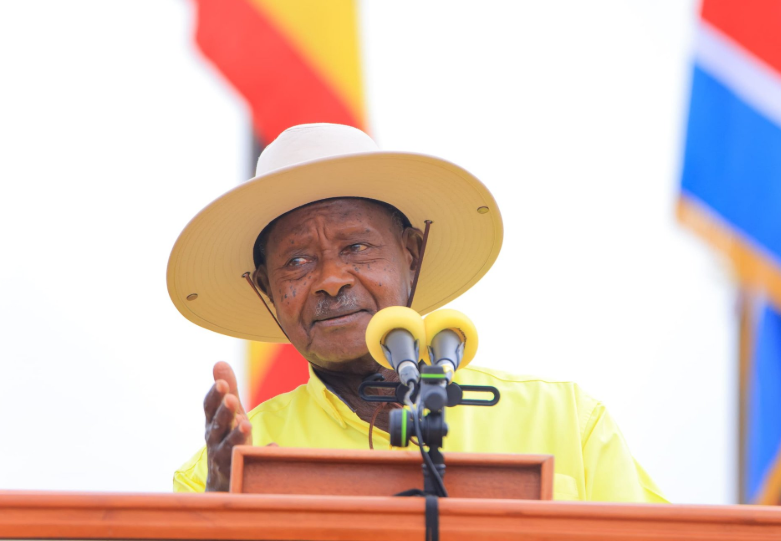
President Yoweri Kaguta Museveni on Monday used the opening sitting of Uganda’s 12th Parliament to deliver a stern warning to ministers among leaders whom he accused of failing to mobilize wananchi to benefit from government wealth-creation programs, saying the time had come for every elected official to take responsibility for helping households escape poverty.
Speaking during the first sitting of the 12th Parliament at Kololo Independence Grounds, Museveni said government had already invested significant resources into programs such as the Parish Development Model (PDM), Emyooga, Grow Project and Operation Wealth Creation, but many leaders were not doing enough to ensure the interventions translate into improved livelihoods.
The president made the remarks shortly after Parliament elected Jacob Markson Oboth-Oboth as Speaker and Thomas Tayebwa as Deputy Speaker.
While congratulating the newly elected parliamentary leadership and commending MPs for conducting peaceful elections, Museveni quickly shifted his focus to what he described as Uganda’s urgent task of eliminating household poverty through wealth creation.
“I’m in a position now to be very rough with people who want leadership positions but do not care about the people they lead,” Museveni said.
“For a long time, I have been talking politely, almost like a preacher saying please, please, please. But now I will not tolerate leaders who betray the people.”
The president said Uganda’s problem is no longer lack of programs or government support but rather weak implementation and poor supervision at local level.
According to Museveni, government has already established sufficient financial structures capable of helping millions of Ugandans move from subsistence living into the money economy.
“As I speak now, every parish in Uganda has Shs 800 million in low-cost capital,” Museveni said.
“Shs 500 million is fresh money and Shs 300 million is money that should have been returned by beneficiaries. This money is there to help our people create wealth.”
Museveni explained that the Parish Development Model was designed to directly push money to grassroots communities through parish structures so that ordinary Ugandans can engage in productive economic activities.
He revealed that government plans to increase annual allocations under the program from Shs 100 million to Shs 200 million per parish, a move he said would significantly expand access to affordable capital.
“In the next five years, every parish will have more than Shs 2 billion circulating there,” Museveni said.
“So I don’t want to hear that people are poor when this money exists.”
The president directed MPs, ministers and local leaders, particularly from the ruling National Resistance Movement (NRM), to actively monitor government wealth-creation programs and demand accountability from local implementers.
“Go back to the parishes and ask for accountability,” Museveni said.
“Ask where the Shs 800 million is and who has benefited. Every leader must know what is happening in their area.”
Museveni warned that leaders who fail to ensure effective implementation of government programs risk losing their positions.
“If I come to your area and I find people are still suffering because you failed to do your work, I will sack you,” he said.
“There is no need for leaders who do not care about their own people.”
Throughout his address, Museveni repeatedly defended government anti-poverty programs, arguing that when properly utilized, they are capable of transforming lives within a short period.
The president said after decades of political struggle and economic reforms, Uganda now has the tools needed to fight poverty, but success depends on leaders mobilizing communities to participate in productive activities.
“All these years we have been introducing programs for poor people and those who listen do very well,” Museveni said.
“I have been involved in fighting for Uganda’s future for the last 65 years and we know what can help our people.”
To reinforce his message, Museveni presented testimonies from beneficiaries of government wealth-creation initiatives in different parts of the country.
One of the testimonies came from a farmer in Abim in the Karamoja sub-region, who explained how he benefited from Operation Wealth Creation and the Parish Development Model.
According to the testimony played during the sitting, the farmer received 200 mango seedlings through Operation Wealth Creation before later accessing PDM funds which he used to buy goats and cassava stems.
The farmer said the mango enterprise alone had earned him approximately Shs 12 million in one year.
“These mango trees are giving me money,” the farmer said in the recorded testimony.
“I don’t harvest mangoes anymore. I harvest money.”
Museveni said the testimony demonstrated that government interventions can transform communities even in areas historically associated with poverty and food insecurity.
“That man is from Karamoja, far away from here,” Museveni said.
“He got planting materials and capital from government programs and now he is earning millions.”
The president also highlighted the story of a woman from Lira who reportedly transformed her life after receiving Shs 1 million through the Parish Development Model.
According to Museveni, the woman had never previously handled such an amount of money and did not even own land.
“She rented three acres and planted maize,” Museveni said.
“She harvested and sold it and got Shs 2.8 million.”
Museveni said the woman later reinvested her profits into livestock and gradually built a sustainable source of income.
“She is now a rich woman because of one million shillings,” he added.
“These are the stories leaders should be talking about in their communities.”
The president argued that political leadership should go beyond speeches and parliamentary debates and instead focus on ensuring households engage in income-generating activities.
He criticized politicians who spend more time on foreign entertainment and personal interests than on mobilizing communities for economic transformation.
“How can your people remain poor while you are just meandering around the world?” Museveni asked.
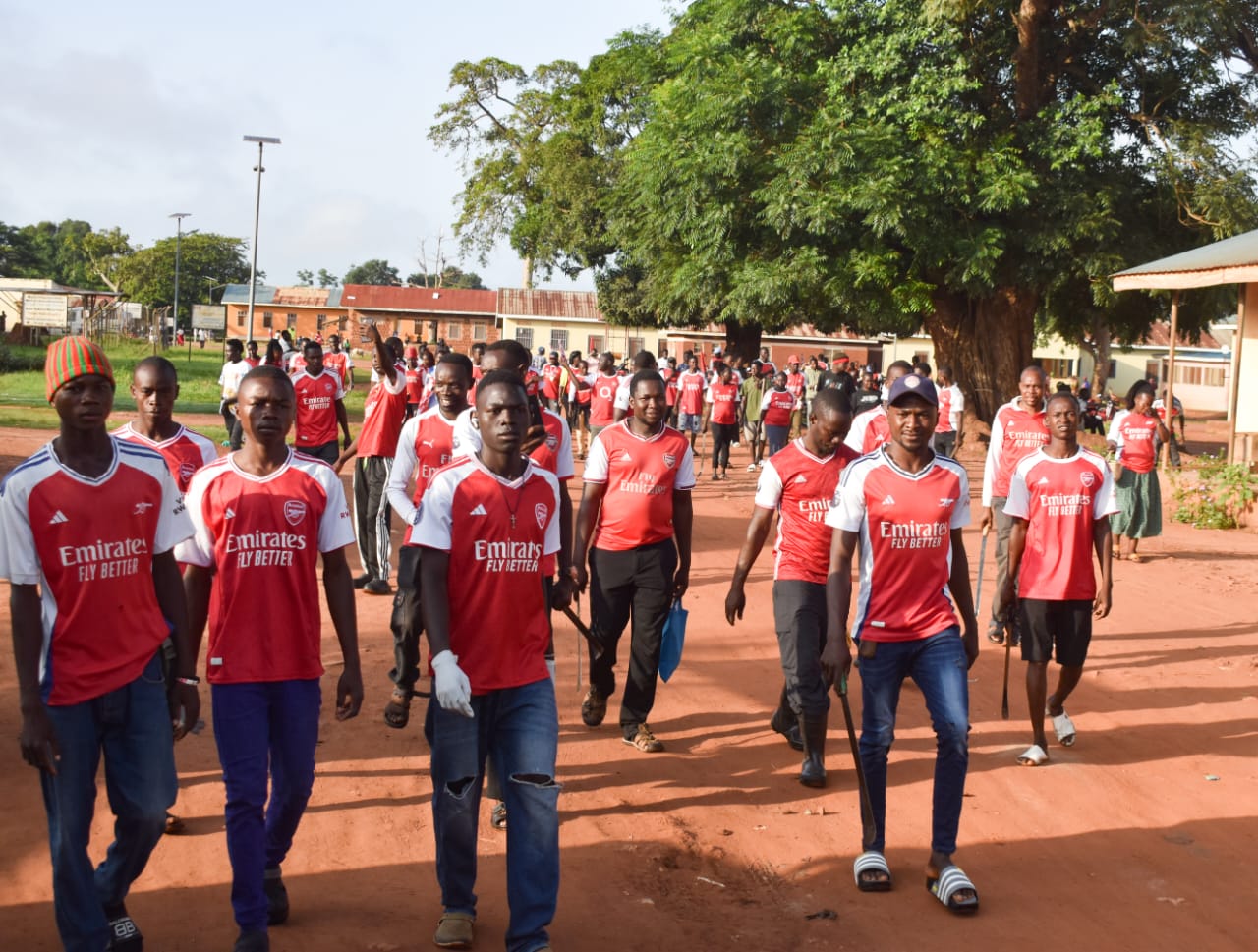
“One of my people invited me to celebrate something called Arsenal. I asked him, celebrate what?”
Referring to English football club Arsenal F.C., Museveni said leaders should prioritize improving the welfare of wananchi before investing energy in foreign sports and entertainment.
“Okay, you can support Arsenal, but first begin with your people,” Museveni said.
“How can you celebrate European clubs when your people have nothing?”
The president also linked Uganda’s economic transformation to better utilization of land and agriculture, arguing that the country possesses significant natural advantages compared to nations where many Ugandans migrate in search of jobs.
“When I see Ugandans going to Dubai looking for jobs, I wonder,” Museveni said.
“Dubai is in the desert. Here we have rain, fertile soils and water. Why should people in the desert have more jobs than us?”
Museveni further warned against corruption and diversion of public funds, saying some officials had already been arrested for misusing government development money.
“This money must be used to create jobs and fight poverty,” he said.
“We have put the money on the ground. Leaders should stop making excuses.”
The president also urged leaders to monitor other government interventions including Emyooga and urban livelihood programs to ensure intended beneficiaries access support.
Beyond wealth creation, Museveni briefly addressed public health concerns, cautioning Ugandans about the risk of Ebola following outbreaks in the Democratic Republic of Congo.
“Please stop unnecessary handshakes and hugging,” Museveni said.
“Ebola spreads through physical contact. I was watching people hugging here and I wondered whether they know there is Ebola.”
Earlier in the day, the first sitting of the 12th Parliament saw Oboth-Oboth elected Speaker after defeating opposition-backed candidate Paul Mwiru and Democratic Party president Norbert Mao.
Oboth-Oboth secured 441 votes against Mwiru’s 60 votes and Mao’s 15 votes.
Meanwhile, Tayebwa retained the position of Deputy Speaker after defeating Asinansi Nyakato and Sarah Aguti with 457 votes.
Museveni commended the transparency of the elections and praised opposition parties for participating in the parliamentary races, saying broad political participation strengthens democratic processes.
However, the dominant theme of his address remained wealth creation and the responsibility of leaders to ensure government programs produce visible change at household level.
“The money is there,” Museveni said.
“The issue now is leadership. Leaders must wake up and help our people create wealth and get out of poverty.”
The post Museveni Threatens to Sack ‘Lazy’ Ministers appeared first on Daily Star.