OLUCOME, PARCEM Call for Investigations Into Rising Market Fires
The appeal comes after a major fire tore through the Jabe timber market in central Bujumbura, renewing concerns over market safety and unresolved fire incidents in Burundi.
 Black News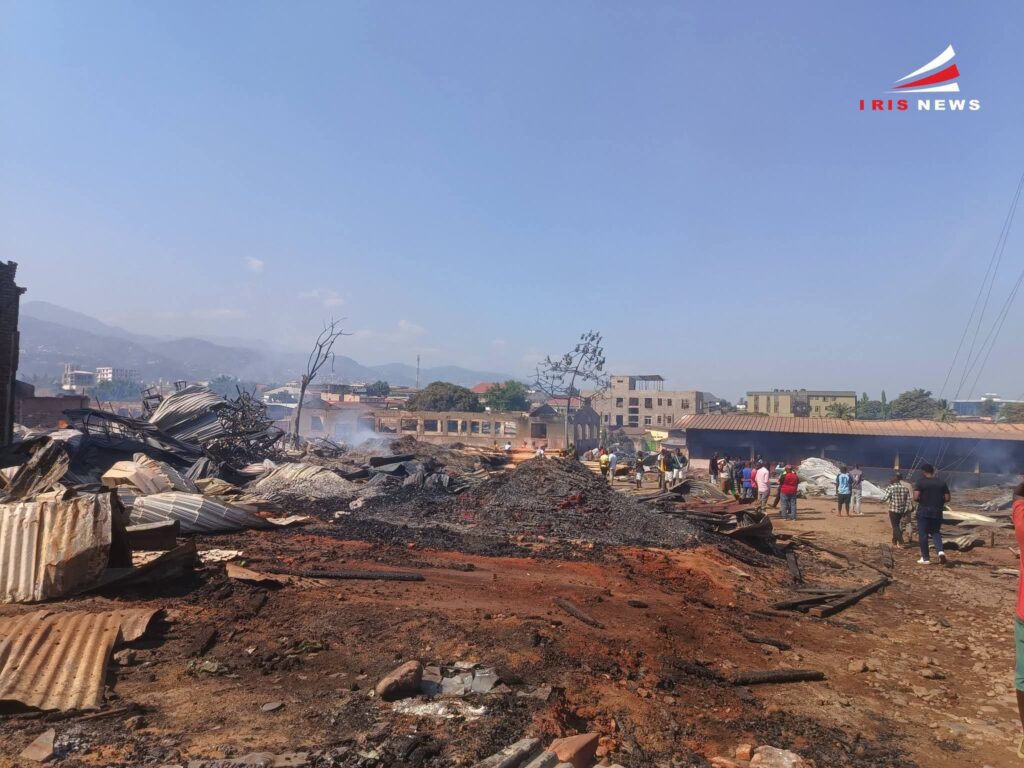
Burundi’s leading civil society organizations are calling for thorough investigations into a growing number of market fires across the country following the latest blaze that devastated the Jabe timber market in the economic capital Bujumbura over the weekend.
During a press conference on Monday, Gabriel Rufyiri, Chairperson of the anti-corruption watchdog OLUCOME, expressed concern over what he said was as a troubling rise in unexplained fires affecting markets and public infrastructure.
“The situation has become increasingly worrying, with unexplained fires causing significant psychological and economic damage to Burundians. In less than two years, more than 20 fires have occurred and none of them have been properly explained,” Rufyiri said.
He questioned why investigations into these incidents have consistently failed to establish their actual causes.
“These situations are concerning because the competent authorities do not take the time to explain the real reasons behind these fires. We have also witnessed contradictions in official statements, as was the case with the fire at a military camp and the former Bujumbura Central Market. We have never seen credible investigation results,” he added.
Rufyiri further criticized public authorities for what he described as a lack of effective action to prevent recurring incidents.
“It is evident that the government and relevant public services are not taking the necessary measures to protect public property,” he said.
PARCEM Calls for Improved Market Safety
OLUCOME is not alone in expressing concern. The civil society organization PARCEM also warned of the devastating impact these incidents have on traders and their families.
In a statement posted on X on Monday, PARCEM said repeated market fires result in substantial losses for business owners.
“These fires cause major losses of goods and capital for traders, while also leading to unemployment and increased vulnerability among affected families,” the organization stated.
PARCEM attributed the recurrence of such incidents to weaknesses in market security and fire prevention systems.
“The repetition of these fires reveals deep shortcomings in market security and fire prevention mechanisms in Burundi. PARCEM regrets the absence of thorough investigations to determine the causes of these fires and punish those responsible if criminal acts are involved,” the organization added.
Jabe Market Hit for Second Time in Less Than Three Years
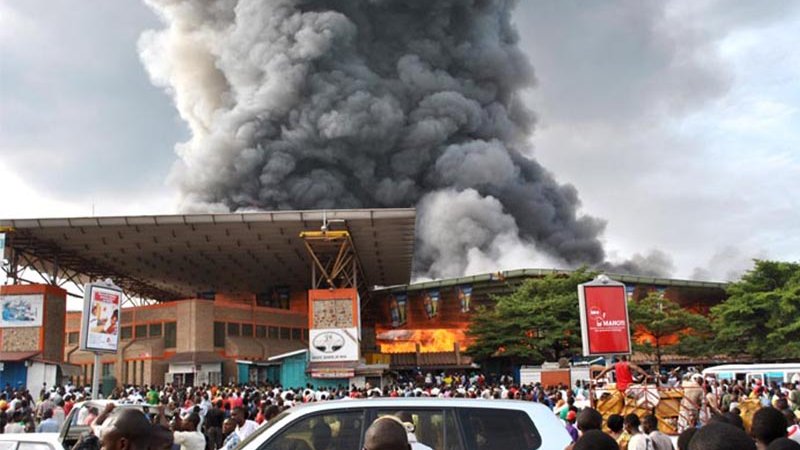
The concerns come just one day after a fire ravaged the Jabe timber market in central Bujumbura during the night between Saturday and Sunday.
Although authorities have yet to release an official assessment of the damage, reports indicate that a significant portion of the market was destroyed.
Local media reported that nearly half of the market was consumed by the flames, destroying traders’ merchandise and large sums of money. Several vehicles parked in a nearby garage were also damaged.
Residents living near the market said they feared the fire would spread to nearby homes.
“We were afraid that residential houses would also catch fire. Fortunately, there was no electricity at the time. Otherwise, the situation could have been much worse,” said Aline, a resident living about 500 meters from the market.
Series of Recent Fires Raises Questions
The Jabe incident follows similar fires reported in May at markets in Rugombo, in Cibitoke Province, and Kinama, in Ntahangwa Commune of Bujumbura Province.
For many Burundians, the latest blaze revives memories of other major fires, including the one that struck Base military camp in April, causing both human casualties and material damage.
Another notable incident remains the destruction of the former Bujumbura Central Market, which burned down in 2013.
As market fires continue to occur, victims have at times accused emergency services of responding too slowly. The government, however, acknowledges that it lacks sufficient equipment to respond effectively to large-scale fires.
Speaking during a public broadcast in Gitega earlier this month, Public Security Minister Léonidas Ndaruzaniye admitted that emergency resources remain inadequate.
“We cannot say that all the necessary equipment is available when these fires occur, but we are trying to make use of what we have,” he said.
The minister added that the government plans to strengthen disaster-response capacity in the 2026–2027 national budget.
“We can assure the public that provisions have been included in the 2026–2027 budget for civil protection in cases of disasters and emergencies, including fires, in order to reinforce the equipment currently available,” Ndaruzaniye said.
The repeated market fires and the absence of conclusive investigation results have fueled growing public concern, with civil society groups urging authorities to improve fire prevention measures and ensure greater transparency in determining the causes of such incidents.