Regional maritime digitalisation key to Africa’s trade future
DAR ES SALAAM: THE Regional Workshop on increasing the use of the International Maritime Organisation (IMO) Compendium and Maritime Single Window (MSW) systems, held in Dar es Salaam, Tanzania, marks a significant step toward transforming Africa’s maritime sector. More than a routine gathering, the workshop signals a decisive shift toward digitalisation, one that could redefine … The post Regional maritime digitalisation key to Africa’s trade future first appeared on Daily News. The post Regional maritime digitalisation key to Africa’s trade future appeared first on Daily News.
 Black News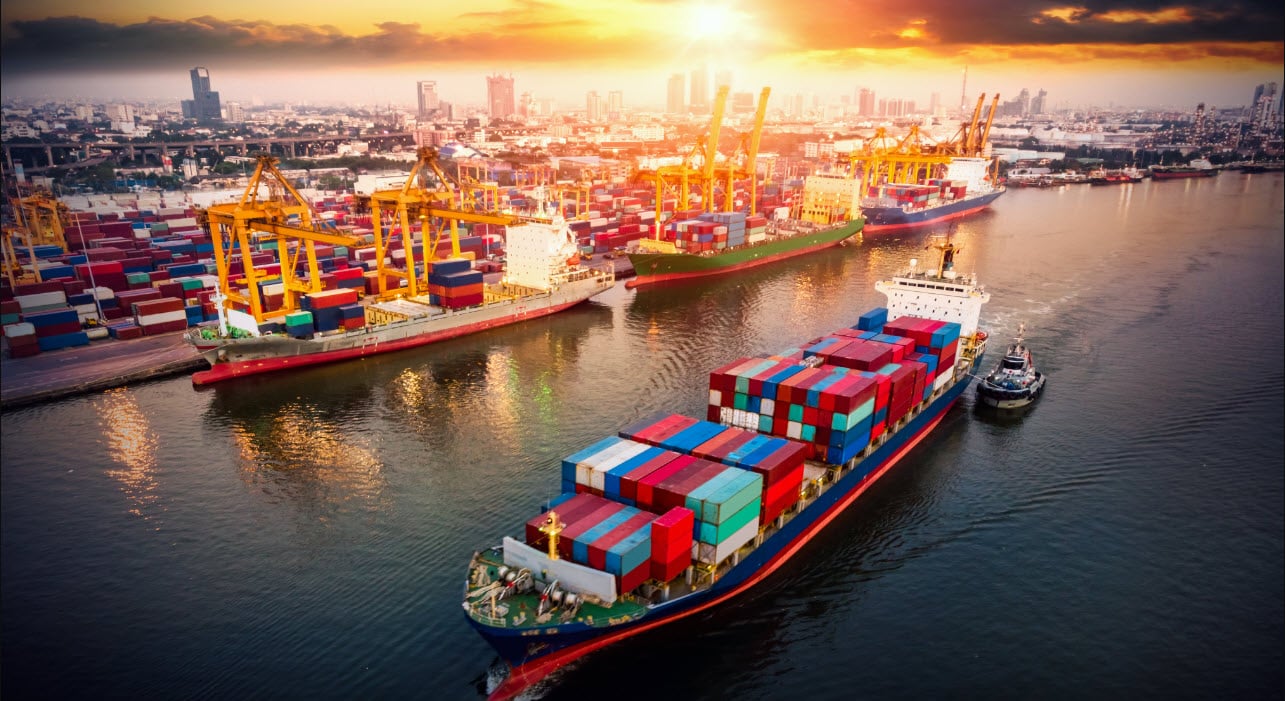
DAR ES SALAAM: THE Regional Workshop on increasing the use of the International Maritime Organisation (IMO) Compendium and Maritime Single Window (MSW) systems, held in Dar es Salaam, Tanzania, marks a significant step toward transforming Africa’s maritime sector.
More than a routine gathering, the workshop signals a decisive shift toward digitalisation, one that could redefine trade efficiency, regional integration and economic competitiveness across the continent.
The Minister for Transport Prof Makame Mbarawa underscored the urgency of adopting integrated digital systems as Tanzania modernises its ports and logistics infrastructure.
He noted that while significant progress has been made in physical infrastructure, the next frontier lies in digital connectivity and system integration.
“At the centre of this transformation is the adoption of the IMO Compendium and the implementation of Maritime Single Window systems, platforms that enable shipping agents, port operators and government authorities to submit and process all regulatory and operational documents through a single digital interface,” he said adding since January 2024, under the Facilitation Convention, such systems have become a requirement for efficient maritime operations worldwide.
Tanzania presents a compelling case for why this transition is both timely and necessary.
The Port of Dar es Salaam handles more than 90 per cent of the country’s international trade and serves as a vital gateway for several land-linked countries, including the Democratic Republic of Congo, Rwanda, Zambia, Burundi and Zimbabwe.
Over the past decade, the government has implemented major reforms under initiatives such as the Dar es Salaam Maritime Gateway Project. These efforts have significantly improved infrastructure and operational efficiency.
The port now accommodates vessels of up to 300 metres in length, berth depths have increased and cargo volumes have risen from 18 million tonnes in 2020/21 to 27.7 million tonnes in 2024/25.
The Minister said vessel turnaround time has also dropped sharply from about 30 days to roughly six while customs revenue has surged to over 12tri/-.
These gains highlight the impact of sustained investment and policy reforms in strengthening the country’s maritime sector.
However, despite these achievements, challenges remain. Prof Mbarawa pointed out that fragmented digital systems continue to limit efficiency.
ALSO READ: Dar Port reinvents Tanzania as Africa’s trade powerhouse as trade booms
Multiple platforms ranging from terminal operating systems to agency-specific databases operate independently, constraining data sharing and coordination among stakeholders.
The absence of a fully integrated MSW remains a critical gap. According to IMO representative and Head of Africa, Ms Mwanaulu Mwajita, the IMO Compendium offers a practical solution to this challenge.
It provides standardised data models and frameworks that support interoperability between systems, ensuring that digital platforms can communicate seamlessly.
She explained that in a global shipping environment increasingly driven by data, the ability to exchange information efficiently across institutions and borders is essential.
The Compendium helps ensure that systems developed in Tanzania are compatible with those in other countries, reducing duplication, improving coordination and facilitating smoother trade flows.
“Digital transformation is not only about technology, it is about transparency, coordination and resilience,” Ms Mwajita said.
She emphasised that digital transformation goes beyond technology. It is about improving transparency, strengthening institutional coordination and building resilient maritime systems capable of supporting long-term economic growth.
The workshop also highlighted the critical role of national institutions such as the Tanzania Shipping Agencies Corporation.
As the country’s maritime regulator, TASAC is responsible for overseeing shipping operations, ensuring compliance with international standards and coordinating key stakeholders across the sector.
The TASAC Director General, Mr Mohamed Salum, described the MSW as a strategic enabler for economic growth.
By simplifying procedures and enabling real-time data exchange, he said, it enhances port competitiveness and positions Tanzania as a regional logistics hub.
He added that the workshop provides an important platform to assess existing systems, identify gaps and develop practical recommendations for implementation.
This is particularly crucial given that digital transformation requires not only technology, but also legal reforms, institutional alignment and capacity building.
The collaboration behind the workshop further demonstrates the scale of effort required.
Partnerships involving the IMO, the World Bank and the SubSaharan Africa Transport Policy Programme bring together technical expertise, financial support and global best practices.
Such cooperation is essential to ensure that reforms are both effective and sustainable.
Despite strong progress, several challenges continue to affect the implementation of Maritime Single Window systems across Africa.
These include fragmented government systems, regulatory inconsistencies, limited ICT infrastructure and resistance to institutional change.
Capacity constraints also remain a major concern. Effective digital systems require skilled personnel to design, operate and maintain them. Without adequate
The post Regional maritime digitalisation key to Africa’s trade future first appeared on Daily News.
The post Regional maritime digitalisation key to Africa’s trade future appeared first on Daily News.