Report confirms Morocco as Africa's next powerhouse
A report by the Washington-based Stimson Centre has described Morocco as an emerging middle power that is increasingly shaping economic, industrial and geopolitical dynamics across Africa, Europe and the Middle East.
 Black News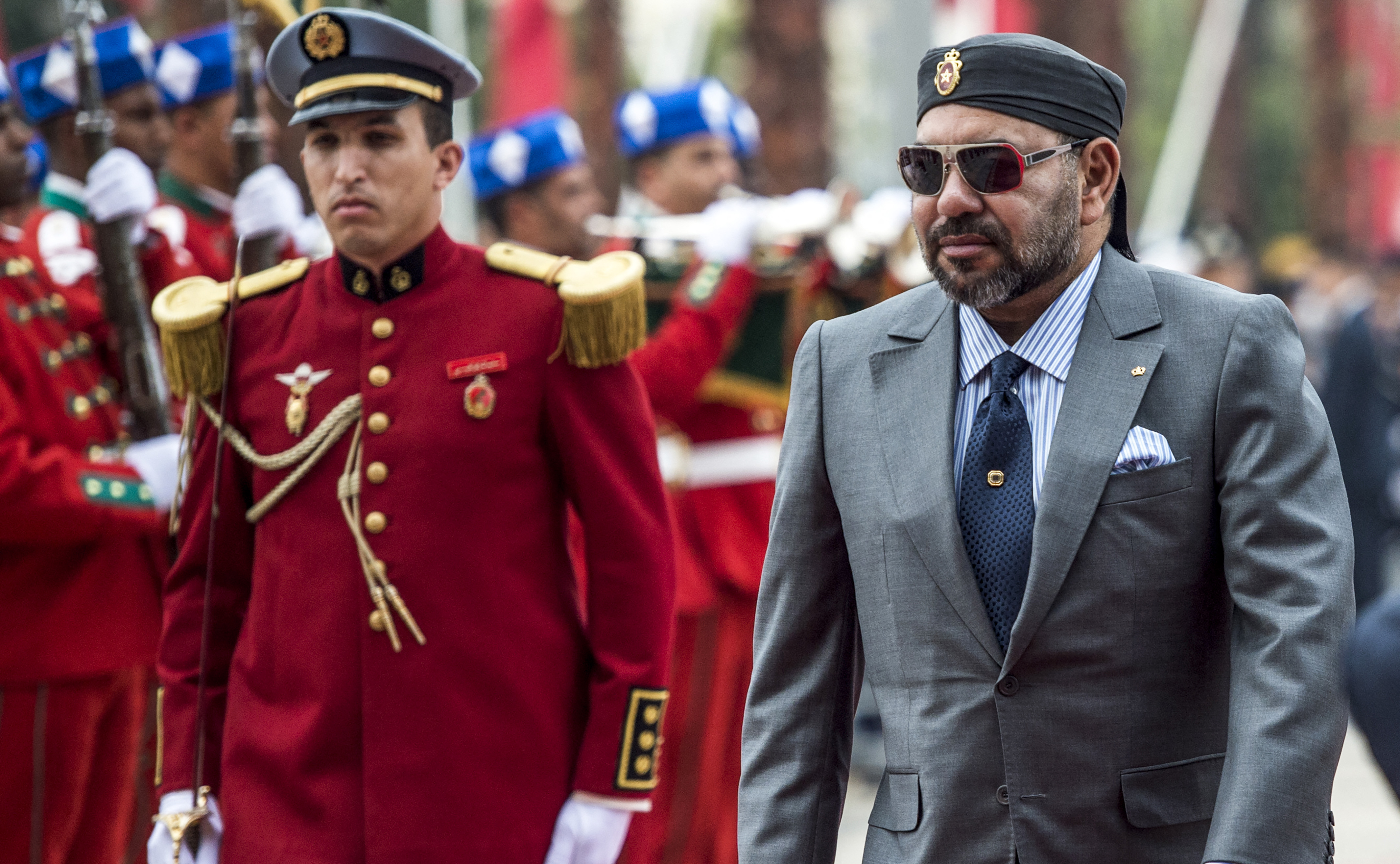
![Morocco's King Mohamed VI (R) arrives for the inauguration of the capital Rabat's Agdal train station for the new LGV (High-speed rail) line on November 17, 2018. [Photo by FADEL SENNA / AFP]](https://ocdn.eu/pulscms/MDA_/739196520a9b49462c0dddde3f852cf8.jpg)
A report by the Washington-based Stimson Centre has described Morocco as an emerging middle power that is increasingly shaping economic, industrial and geopolitical dynamics across Africa, Europe and the Middle East.
- A new report by the Stimson Centre says Morocco is emerging as a key industrial, energy and geopolitical power in Africa and the Middle East.
- The report highlights Morocco’s rapid growth in automotive manufacturing, renewable energy and logistics infrastructure.
- Tanger Med and the Noor Ouarzazate Solar Complex were identified as major pillars of the country’s economic transformation.
- The think tank also pointed to Morocco’s growing diplomatic influence in Africa and to stronger international backing for Morocco's position on the Sahara dispute.
The report said Morocco has moved beyond its traditional reliance on agriculture and tourism, positioning itself instead as a growing industrial and logistics hub with expanding influence in renewable energy and regional diplomacy.
According to the think tank, the country has used its geographic position and political stability under Mohammed VI to strengthen trade, investment and security partnerships across several regions.
The report noted that Morocco’s strategy is built around what analysts described as “strategic transactionality”, a foreign policy approach that aligns diplomatic and economic interests while offering cooperation on shared security and development priorities.
The study highlighted the rapid expansion of Morocco’s automotive, aerospace, electronics, battery manufacturing and green technology sectors. It added that international companies increasingly see the North African country as a production base serving European, African and Middle Eastern markets.
Morocco’s automotive industry was identified as one of the continent’s most advanced export sectors, supported by modern infrastructure, free trade agreements and proximity to Europe.
The report also pointed to the country’s renewable energy ambitions, citing major investments in solar, wind and green hydrogen projects. It described the Noor Ouarzazate Solar Complex as a flagship project symbolising Morocco’s push to become a regional clean energy leader and a future supplier of green energy to Europe.
![This picture, taken on June 28, 2019, shows a ship moored next to many cars at Terminal I of the Tanger Med port in the northern city of Tangiers on the Strait of Gibraltar. [Photo by AFP via Getty Images]](https://ocdn.eu/pulscms/MDA_/fc3bb389657286ef556b1826c71d06a3.jpg)
On logistics and trade, the think tank highlighted Tanger Med as one of Morocco’s most significant strategic assets. The port complex has become a major gateway linking Europe, Africa and global shipping routes, helping to accelerate industrial growth and exports.
The report further noted Morocco’s expanding economic footprint in sub-Saharan Africa through investments in banking, telecommunications and infrastructure projects, describing Rabat as an increasingly important partner for African states.
It also underlined Morocco’s ties with the United States, the European Union and the African Union, particularly on counterterrorism, migration and regional security cooperation in the Sahel.
On the disputed Sahara territory, the report said Morocco had strengthened its diplomatic standing through investment and international partnerships in the Southern Provinces. It described Morocco’s autonomy proposal as a “serious, credible, and pragmatic” initiative that has gained support from a growing number of African, Arab and Western countries.
The think tank also referenced the opening of around 30 foreign consular representations in the territory as evidence of broader international backing for Morocco’s position. It argued that neighbouring Algeria has become increasingly isolated diplomatically over the decades-long dispute.