South Africa misses out on billions in shipping revenue as Strait of Hormuz disruption drives Cape of Good Hope traffic surge
A surge in global shipping traffic around the Cape of Good Hope is exposing South Africa’s inability to convert strategic positioning into economic value, even as geopolitical disruptions reshape global trade flows.
 Black News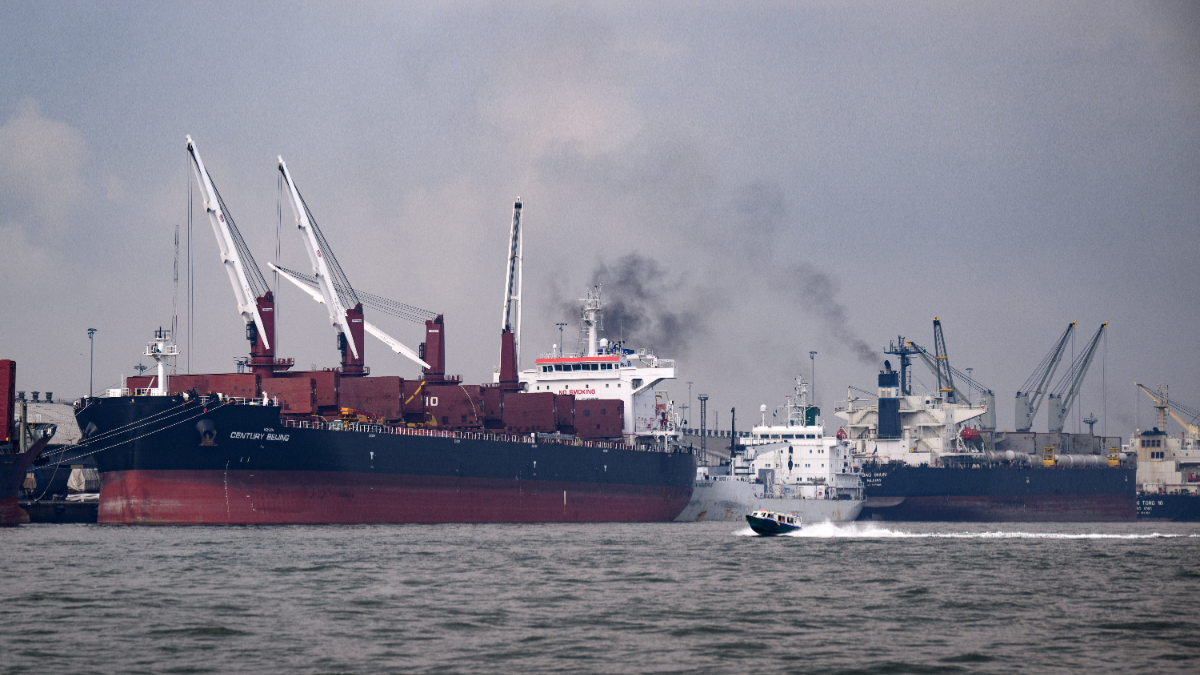

A surge in global shipping traffic around the Cape of Good Hope is exposing South Africa’s inability to convert strategic positioning into economic value, even as geopolitical disruptions reshape global trade flows.
- South Africa is not capitalizing on the surge in shipping traffic around the Cape of Good Hope, despite significant global trade rerouting due to disruptions in the Red Sea and Strait of Hormuz.
- Competing African ports such as those in Mauritius, Namibia, Kenya, and Togo are capturing more value from increased shipping activity, especially in marine fuel sales and logistics.
- The shift to longer and more expensive routes is driven by geopolitical risks, raising operational costs and reshaping global energy and trade flows through Africa.
- Structural inefficiencies and declining transshipment share hinder South Africa's ability to become a key maritime hub, and without reforms, it risks missing out on broader economic benefits.
South Africa is failing to monetise a surge in global shipping traffic around the Cape of Good Hope, even as disruptions in the Strait of Hormuz and Red Sea force vessels onto longer routes along Africa’s southern coast.
Cape traffic surge reshapes trade flows and fuel demand
Based on data from IMF PortWatch, commercial traffic via the Cape of Good Hope has more than tripled in recent years, with about 20 vessels passing daily between March and April, up from six in 2023, as major carriers including Maersk, Hapag-Lloyd and CMA CGM reroute vessels to avoid geopolitical risks.
According to the Cape Chamber, "This shift has resulted in a 112% surge in Cape diversions as of early March 2026, adding roughly 10–14 days to transit times and significantly increasing fuel and insurance costs for global trade,"
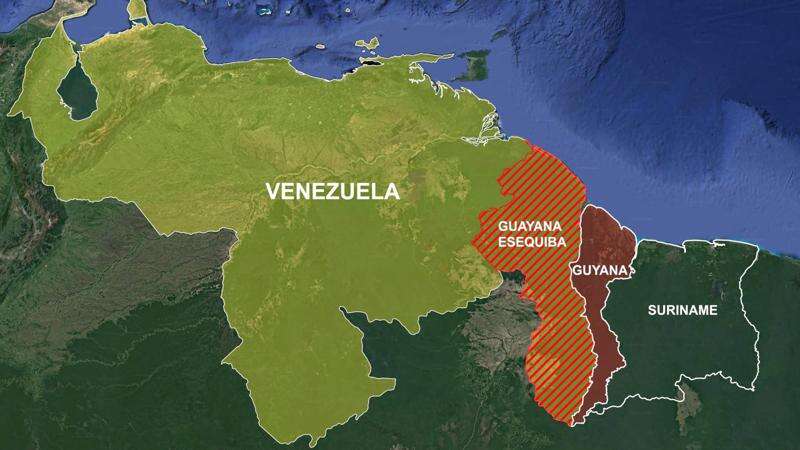
The disruption is also reshaping energy trade flows, with shipments increasingly sourced from suppliers outside the Gulf, including the US, Brazil, Guyana and Nigeria, before passing through Africa’s southern corridor, Moneycontrol reported.
This shift is in turn driving a surge in demand for marine fuel across across Africa,with companies such as Denmark’s Monjasa reporting rising volumes and traders including Vitol and Peninsula expanding operations.
"Volumes have been positively impacted by the Red Sea security situation causing more vessels to reroute south of Africa," Monjasa spokesperson Thorstein Andreasen told Reuters.
Economic gains lag despite traffic surge
Despite the sharp increase in traffic, economic gains have lagged, with benefits largely confined to lower-value services such as bunkering and crew changes rather than cargo redistribution.
South Africa is steadily losing ground in marine fuel supply, with monthly bunker volumes falling to about 80,000 tonnes from roughly 130,000 tonnes a year earlier, highlighting its weakening position despite heavy reliance on imported fuel and limited domestic oil production.
The shift is redirecting business to Port Louis in Mauritius and Walvis Bay in Namibia, where fuel sales have surged, including a record 929,043 metric tonnes in Port Louis in 2024.
Elsewhere, Lamu Port in Kenya has received 74 vessels since January, about a third of all ships serviced since opening in 2021, while Port of Lomé in Togo is positioning itself as a strategic bunkering and logistics alternative.
Strategic advantage underutilised
Originally named the ‘Cape of Good Hope’ to reflect Europe’s optimism for new trade routes to Asia, the waterway is once again central to global shipping; but South Africa is yet to fully capture its economic promise.
Jacob van Rensburg, a logistics expert at the Southern African Association of Freight Forwarders, said in an interview cited by CNBC Africa that the country’s transshipment share has fallen from about 23%–25% of total containers handled in earlier years to just 13%–14% currently.
While more vessels are passing along South Africa’s coastline, relatively few are using its ports as key redistribution hubs, limiting the country’s ability to influence shipping routes, capture logistics revenue and generate value across the supply chain.
Van Rensburg also pointed to the World Bank and S&P Global’s Container Port Performance Index, which has ranked South African ports among the worst globally, reflecting persistent inefficiencies.
These challenges are compounded by congestion and weather-related disruptions, which continue to weigh on port performance.
Global models highlight missed opportunity
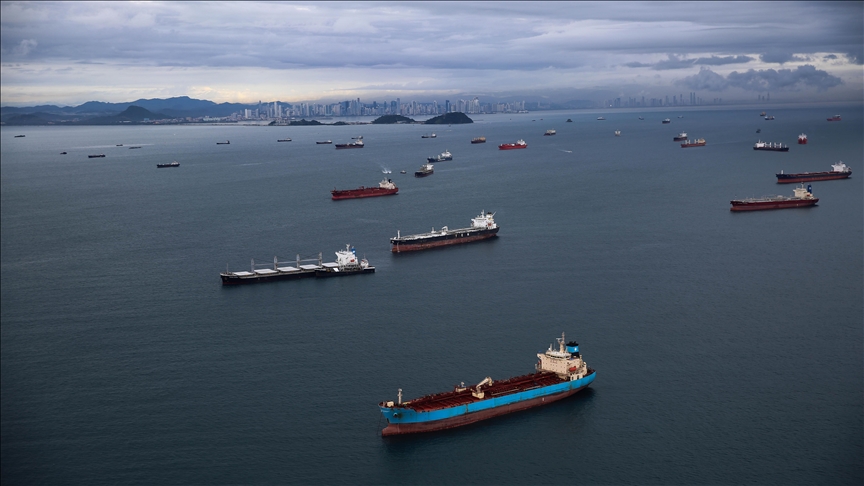
Globally, countries are adopting different monetisation models, with Panama generating billions through the Panama Canal, Turkey capturing value through the Bosporus Strait, and Iran seeking to monetise transit through the Strait of Hormuz.
Similarly, Egypt and Singapore have built multi-billion-dollar infrastructure around strategic waterways, while African peers such as Mauritius and Morocco continue to expand maritime infrastructure and logistics capacity.
In contrast, South Africa is yet to capture a comparable level of economic value from passing vessel traffic.
Without improvements in efficiency, regulatory clarity and cargo handling capacity, South Africa risks remaining a transit corridor rather than a competitive logistics centre, even as global shipping lanes shift in its favour.