Guyana has told the International Court of Justice (ICJ) that neither Spain nor Venezuela ever administered the Essequibo region, as the long-running territorial dispute over the resource-rich area continues before the court.
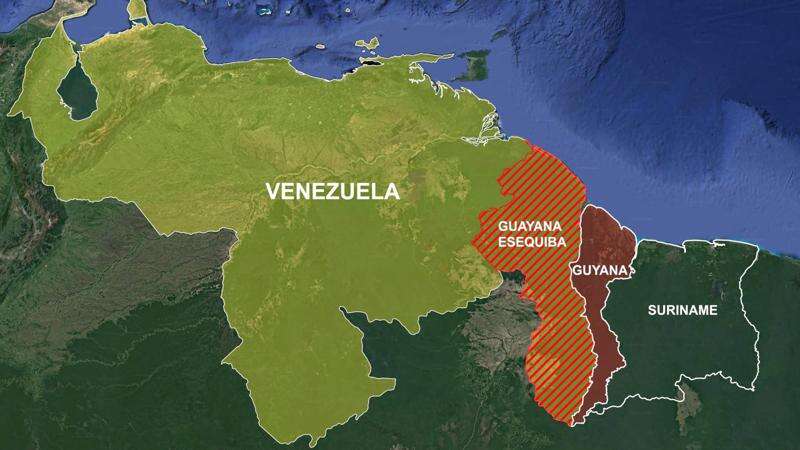
The Essequibo region makes up roughly two-thirds of Guyana’s territory, spanning about 61,600 square miles. It is bordered by the Essequibo River to the east and Venezuela to the west, and is widely regarded as rich in natural resources and biodiversity.
Guyana’s Director of the Frontiers Division of the Ministry of Foreign Affairs, Ambassador Donnette Streete, and the country’s ICJ agent in the case, Carl Greenidge, presented arguments in support of the validity of the 1899 Arbitral Tribunal Award, which underpins Guyana’s claim.
They said Dutch settlers were the first Europeans to occupy the territory, later followed by descendants of Africans and Asians brought to Guyana as enslaved and indentured labourers under Dutch and British colonial rule between the 17th and 19th centuries.
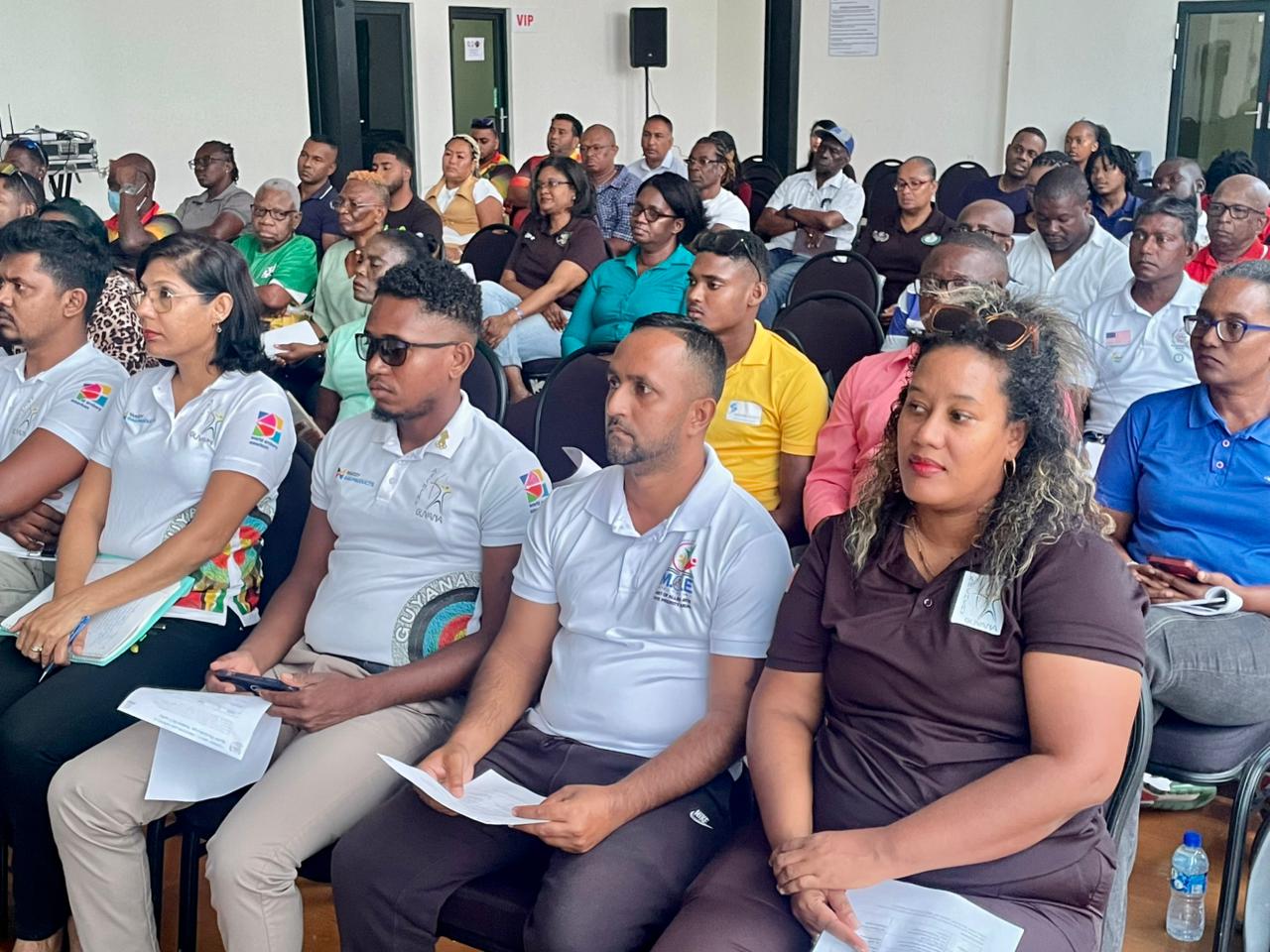
Streete told the court that Guyana currently administers the region, collects taxes, conducts elections for nine parliamentary representatives from Essequibo, and manages environmental protection efforts.
She added that the 2022 national census recorded a population of 313,175 in the Essequibo region—more than one-third of Guyana’s total population—including members of nine Indigenous groups, described as the area’s first inhabitants.
Greenidge, a former foreign affairs minister, presented historical maps and documents he said showed Spanish presence was limited well outside the disputed territory, while Dutch settlements were firmly established within it.
He said Dutch settlers arrived in 1598 and by 1616 had established the colony of Essequibo, including Fort Kykoveral along the Mazaruni River as an administrative centre, extending governance westward toward the Orinoco River.
“The Spanish, they were nowhere to be found, not east of the Orinoco, at any rate,” Greenidge said, adding that the nearest Spanish settlement was San Tome, which he described as being far removed from the Essequibo region.
Guyana’s legal team also argued that Venezuela’s challenge to the 1899 award is legally barred under the principle of res judicata.
Lawyer Pierre d’Argent said Venezuela has not identified any new facts that would justify reopening earlier ICJ decisions. He noted that Venezuela had not filed an application for revision under Article 61 of the ICJ statute, which is the only legal mechanism to challenge res judicata.
“It must be concluded, therefore, that Venezuela has not discovered any new fact of such a nature had it been known as to be a decisive factor on the conclusions reached by the court in its judgments of 2020 and 2023 and in these conditions, these judgments remain res judicata for the parties in the court itself,” he said.
Another member of Guyana’s legal team, Paul Reichler, told the court that Venezuela had accepted and complied with the 1899 arbitral award for more than six decades before formally disputing it in 1962 in a letter to the United Nations Secretary-General.
Reichler said Venezuela continued to recognise the 1897 treaty as valid at that time and only began challenging the award in 1963, 66 years after ratifying the agreement.
The ICJ said both Guyana and Venezuela will continue oral arguments over multiple sessions, with proceedings expected to run through Monday next week.

 Black News