Sundance-Awarded ‘Ricky’ Explores Accountability, And Life After Incarceration
After a standout effort at Sundance last year, Ricky arrives in theaters with a story that really makes you think. Directed by Rashad Frett, the film follows a man released […] The post Sundance-Awarded ‘Ricky’ Explores Accountability, And Life After Incarceration appeared first on Essence.
 Black News


 Courtesy of Blue Harbor Entertainment
  By Okla Jones ·Updated April 23, 2026 < /> Getting your Trinity Audio player ready…
 After a standout effort at Sundance last year, Ricky arrives in theaters with a story that really makes you think. Directed by Rashad Frett, the film follows a man released from prison after serving time for a crime committed as a teenager. At 30, he steps into a world that has moved on without him, trying to find his footing while dealing with the demons of his past.
Stephan James leads the film as its titular character; who is caught between who he was and who he might still become. The project’s early scenes place him in unfamiliar routines, from mandated meetings to job requirements, each step revealing how far removed he is from everyday life. A single mistake sets off a chain reaction, forcing him to confront whether he will take responsibility or let someone else carry the consequences.
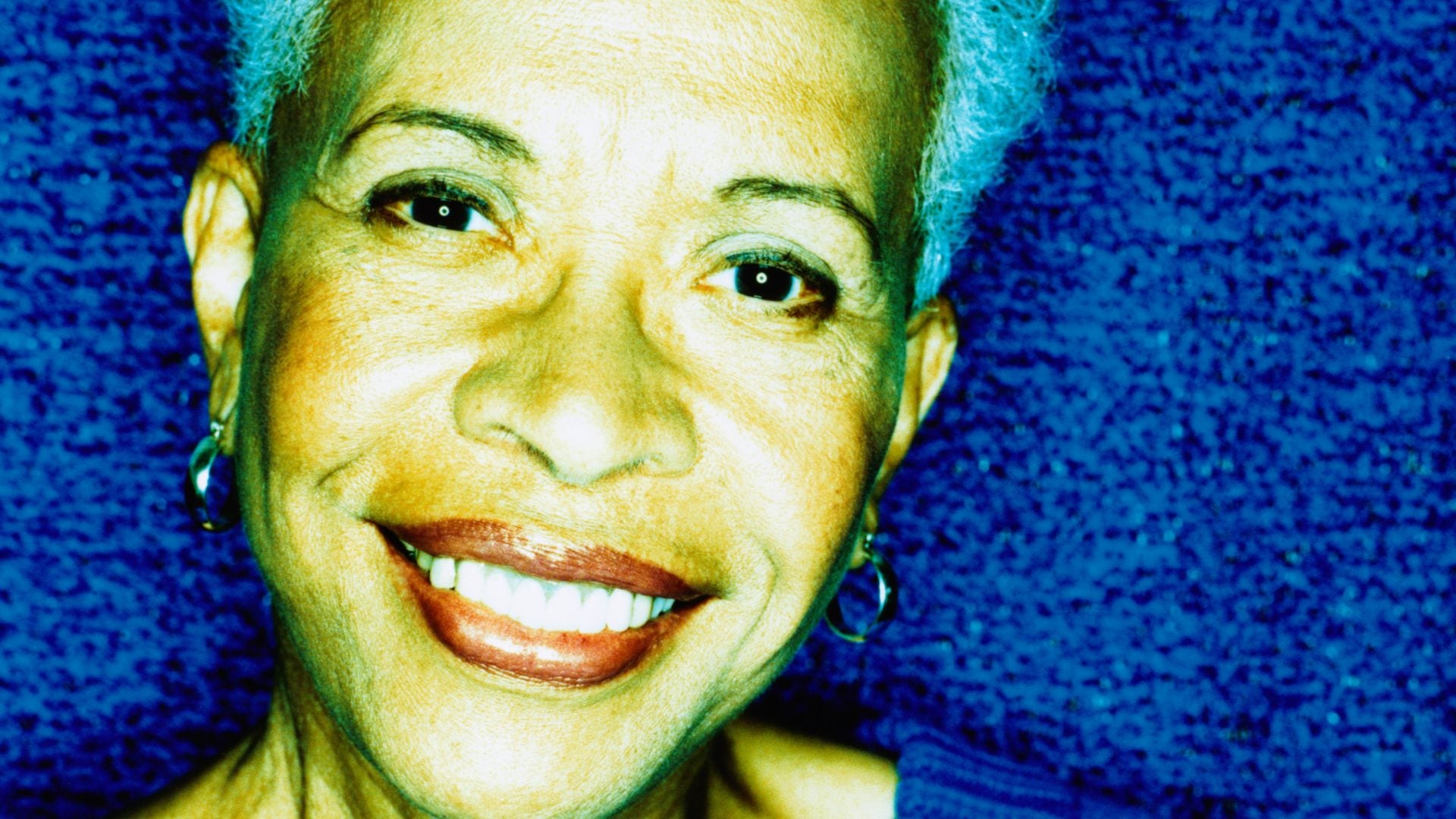
For James, preparing for the lead role required him to look at life through Ricky’s eyes rather than his own. “During this process, I would joke that I was going through this Benjamin Button thing where I had to age backwards,” James said with a laugh. “As situations are received in this film—as a normal 30-year-old would receive them—Ricky is just not going to process them the same way.” Years spent incarcerated stalled his development, leaving him to navigate adulthood without the experiences most people take for granted. James focused on portraying a man scarred by his time behind bars, while still allowing room for em>Sheryl Lee Ralph embodies Brim’s perspective through her portrayal of Joanne, Ricky’s parole officer. Her character pushes him to take accountability without stripping him of dignity. “She doesn’t let him hide behind his past, and she doesn’t let him hide behind his trauma,” Ralph said. At the same time, Joanne offers a sense of understanding rooted in her own experiences. “You’re not the only person that has done bad things,” she tells Ricky at a key moment in the movie, challenging him to take a deeper look at his mistakes, instead of playing the victim.
Ralph, a veteran of film, television, and stage, decided to join the film because of the material, as well as the team behind it. After speaking with Frett, she connected with his vision for telling a different kind of story about incarceration and its aftermath. Casting also played a role. “I truly believe that Stefan is one of the greatest actors of his generation,” she said, pointing to his previous work in If Beale Street Could Talk and Race, as additional reasons why she wanted to be part of the project.
However, for Brim, the film’s appeal began even earlier, when he encountered a short version of the story. “There was so much more to see and to tell,” he recalls. Expanding it into a feature allowed the team to explore the character’s journey in greater depth, while maintaining the sense of authenticity that first drew him in. His focus, he said, remained on supporting the film as a piece of art before considering its commercialrel="tag">if beale street could talk Stefan James sundance Sundance Film Festival
The post Sundance-Awarded ‘Ricky’ Explores Accountability, And Life After Incarceration appeared first on Essence.