Tanzania bans political rallies ahead of planned youth protests over election violence
Tanzania has suspended all political rallies less than two weeks before planned nationwide protests, marking the latest escalation in political tensions in the East African nation as it seeks to balance security concerns with its efforts to attract investment and strengthen economic growth.
 Black News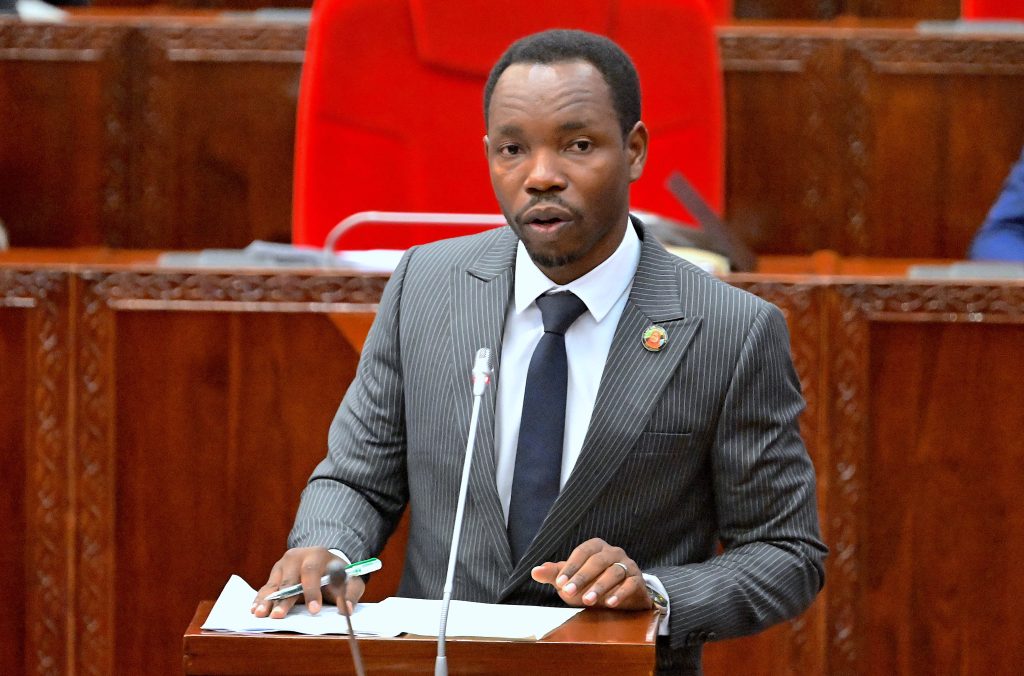

Tanzania has suspended all political rallies less than two weeks before planned nationwide protests, marking the latest escalation in political tensions in the East African nation as it seeks to balance security concerns with its efforts to attract investment and strengthen economic growth.
- Tanzania has suspended all political rallies less than two weeks before planned nationwide protests.
- Authorities say the measure is necessary to address security concerns ahead of the July 7 demonstrations.
- The protests are expected to focus on democratic reforms, justice for victims of election violence and broader political freedoms.
- The move comes as scrutiny grows over Tanzania’s political climate despite efforts to strengthen its investment appeal.
Interior Minister Patrobas Katambi announced the ban in parliament on Friday, saying intelligence assessments pointed to security threats linked to the planned demonstrations. He did not indicate how long the restriction would remain in force.
The protests, scheduled for July 7, are being organised largely by young Tanzanians calling for democratic reforms and justice for people killed during violence that followed last year’s general election.
Organisers have also demanded greater political freedoms, while opposition supporters continue to call for the release of opposition leader Tundu Lissu, whose arrest and treason charges have intensified political tensions.
The government’s decision represents a significant shift from President Samia Suluhu Hassan’s early reform agenda.
In 2023, she lifted a six-year ban on political rallies imposed by her predecessor, a move widely welcomed by opposition parties, civil society groups and international observers as a step towards opening the country’s political space.
Election violence remains a flashpoint
Political divisions have persisted since the 2025 general election, in which President Hassan was declared the winner with nearly 98% of the vote.
A government-appointed commission of inquiry reported in April that at least 518 people were killed during the post-election violence.
The commission blamed protesters for the unrest, a conclusion strongly rejected by opposition groups, which accused the inquiry of lacking independence and argued that the death toll was far higher.
Human rights organisations have also alleged that security forces used excessive force during the unrest, claims the Tanzanian government has repeatedly denied.
President Hassan has maintained that the violence amounted to an attempt to overthrow her government and has alleged that foreign actors financed the unrest, although no public evidence has been presented to support that claim.
Why businesses and investors are watching
The latest restrictions come as Tanzania seeks to position itself as one of East Africa’s leading investment destinations through major projects in mining, liquefied natural gas, transport infrastructure and tourism.
Political stability has been central to those ambitions. While there is no indication that the latest developments have disrupted investment activity, prolonged political uncertainty or widespread unrest could weigh on investor confidence and the country’s image as a stable destination for business.
It remains unclear whether organisers will proceed with the July 7 demonstrations despite the ban or whether opposition parties will challenge the government’s decision through the courts.