Technical skills not enough: African PFM reforms put leadership at centre stage
Public-sector reform across Africa is rarely held back by a shortage of good ideas. Instead, government officials and international development experts increasingly recognise that the true hurdle lies in the human dynamics of leading change: building institutional trust, overcoming systemic resistance and sustaining momentum. These insights took centre stage during a high-level virtual seminar convened […]
 Black News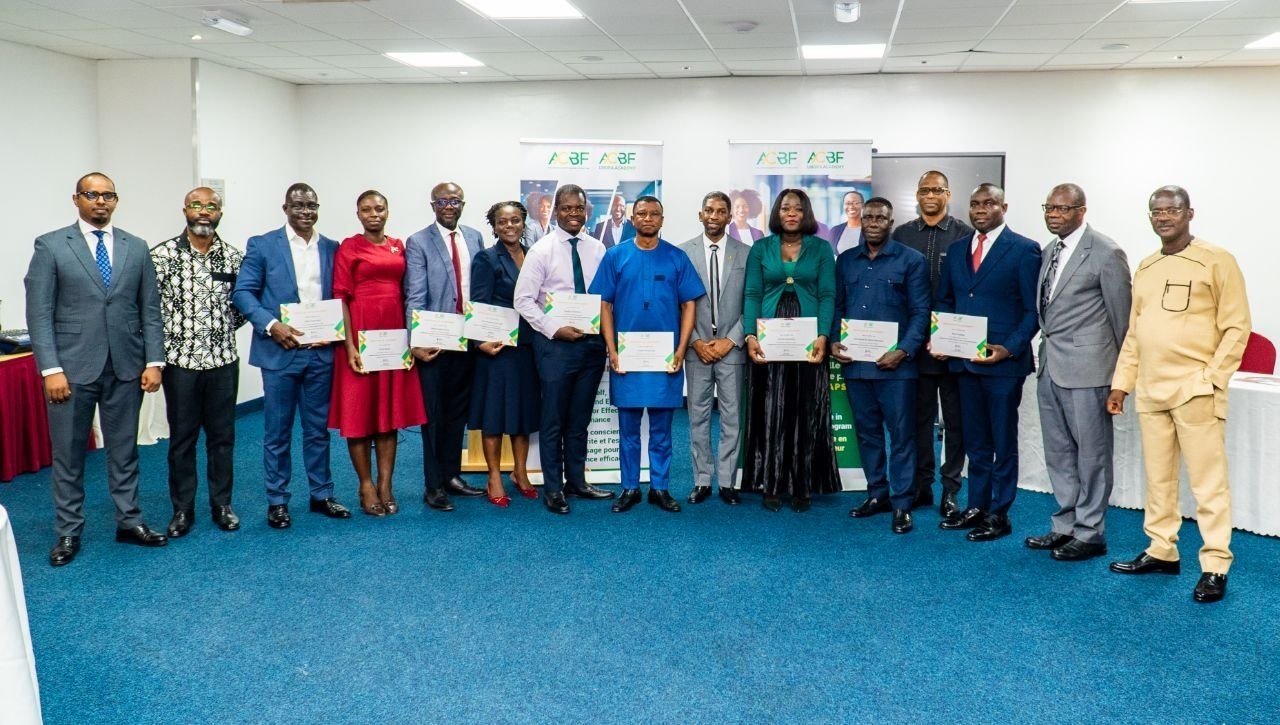

Public-sector reform across Africa is rarely held back by a shortage of good ideas. Instead, government officials and international development experts increasingly recognise that the true hurdle lies in the human dynamics of leading change: building institutional trust, overcoming systemic resistance and sustaining momentum.
These insights took centre stage during a high-level virtual seminar convened by the African Capacity Building Foundation (ACBF). Titled “Leading Public Sector Transformation in Africa: Leadership Lessons from the LEAPS Program”, the strategic webinar brought together senior government officials, key partners and programme alumni to evaluate how targeted leadership development is reshaping public financial management (PFM) across the continent.
Governments across Africa are undertaking ambitious PFM reforms to mobilise domestic resources, improve public investments and strengthen budgeting frameworks. While these structural adjustments are indispensable, progress remains uneven. Many nations struggle to translate high-level reform ambitions into lasting results due to leadership gaps and institutional fragmentation.
ACBF Executive Secretary Mamadou Biteye emphasised during the seminar that technical expertise alone is insufficient. Many countries have sound policies but struggle with implementation because of resistance to change and coordination bottlenecks.
To tackle this, the ACBF with support from the Gates Foundation established the Leadership Excellence in Africa’s Public Sector (LEAPS)
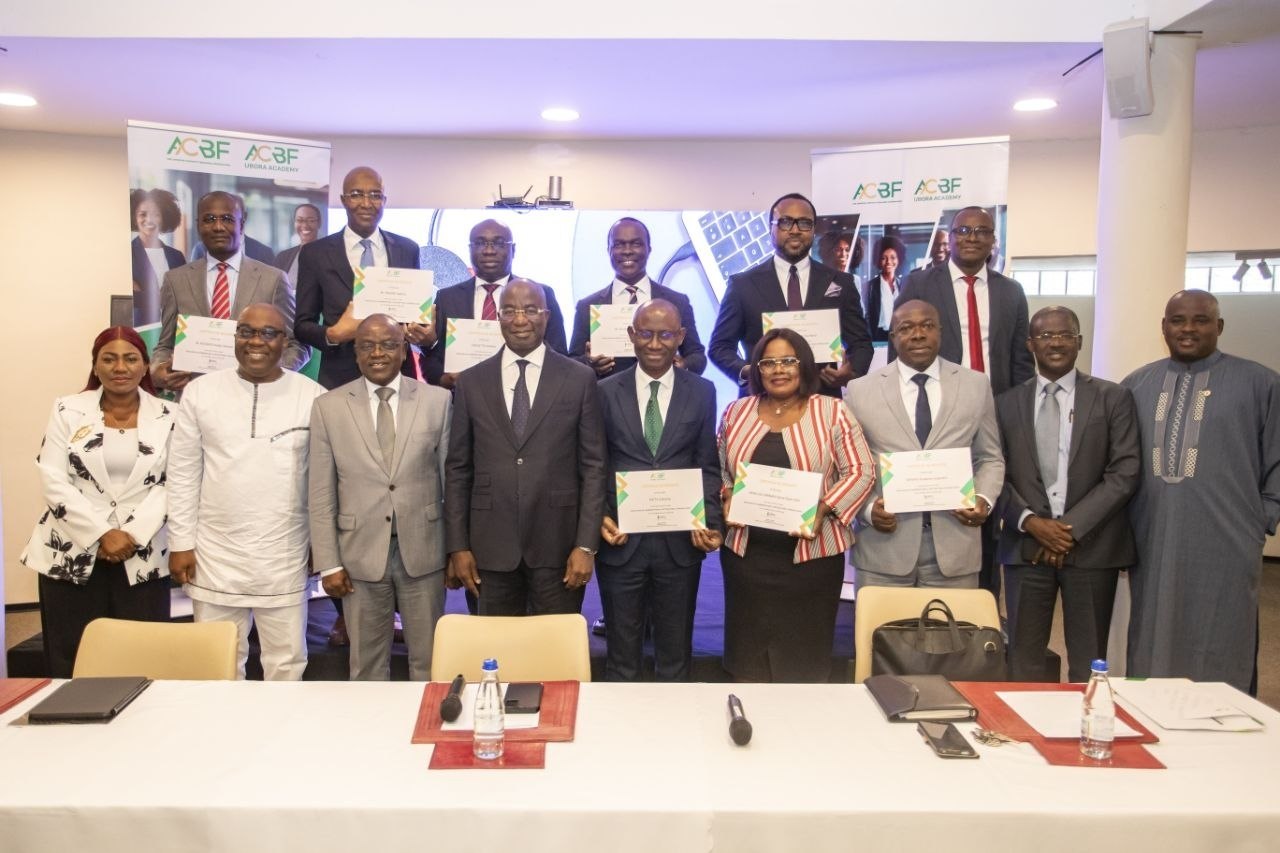
programme under the Ubora Academy. LEAPS is built on the realisation that reform leaders must possess emotional intelligence and behavioural competence. They must actively inspire people, build trust and manage internal resistance when initiatives encounter difficulties.
Rather than relying on conventional seminars, LEAPS utilises a comprehensive, six-month approach. The curriculum combines structured learning modules, 360-degree feedback, personalised development plans, coaching, peer learning circles, technical seminars and mentorship by seasoned PFM experts.
The learning design focuses on five core areas: understanding African leadership challenges, building self-awareness, managing teams, driving strategic change and leading across institutional ecosystems. The hybrid format includes a five-day in-person track for senior executives and aligns with national calendars, allowing countries to host cohorts annually.
The programme has scaled rapidly since its inception, moving from an initial pilot in six nations Côte d’Ivoire, Ghana, Kenya, Senegal, Zimbabwe and The Gambia to include Nigeria, Tanzania, the African Union Commission and Ethiopia.
The initiative’s reach has been substantial. The first cohort graduated 179 participants, 88 completed the second, and 116 are currently undertaking the third. The programme now includes professionals from accountability institutions such as audit services, revenue authorities, central banks and parliamentary committees. Change stories shared by LEAPS alumni demonstrate that leadership
development is actively altering how public institutions operate. In Kenya, participants used people centred leadership to advance digital PFM reforms and secure stakeholder alignment. Raphael Owino, Director General of Public Debt Management at Kenya’s National Treasury, noted the programme’s crucial timing amid ongoing challenges with public debt and fund management.
In Senegal, training contributed to stronger delegation, participatory management and improved public communication, including making budget information accessible to citizens. Sokhna Mai Diop, Principal Treasury Inspector, said coaching through LEAPS filled a vital gap left by formal training.
In Ghana, professional coaching strengthened institutional accountability and cross-functional collaboration between finance and audit institutions. Dr Birago Antwi-Agyei of the Ghana Revenue Authority found the training instrumental in creating a forward-looking leadership plan. In Zimbabwe, reflective and empathetic leadership empowered officials to navigate reform processes
under severe constraints. Angela Nyangani, Deputy Director of Audit, noted the programme offered essential tools for leading systems, organisations and oneself. Participants across cohorts also reported sharper decision-making and improved inter-agency coordination.
Moving forward, the ACBF is focused on scaling these proven models and integrating leadership development into how public institutions manage talent. Biteye stressed that alumni must become mentors and catalysts for institutional culture change.
Adil Ababou of the Gates Foundation emphasised the importance of country ownership, noting that LEAPS focuses on the specific capacity needs of participating institutions. With plans to mentor more than 200 public officials in the next three years, the foundation is backing LEAPS to build sustainable leadership pipelines.