The Eating Disorder Narrative Left Black Women Out — Howard Student Na’vaeh Dudley Is Putting Them Back In The Frame
'Consumption' is a short film about isolation and the complicated, often invisible relationship between food and emotions. The post The Eating Disorder Narrative Left Black Women Out — Howard Student Na’vaeh Dudley Is Putting Them Back In The Frame appeared first on MadameNoire.
 Black News
It’s late spring semester at Howard University, and inside a rented Airbnb, a group of young Black creatives are locked in. Their cameras are up and the lights are hot. Someone is adjusting a plate of food for the fifth time. At the center of it all is 21-year-old Na’vaeh Dudley, directing a story that didn’t come from theory or imagination, but from something far more intimate.
Her own life.
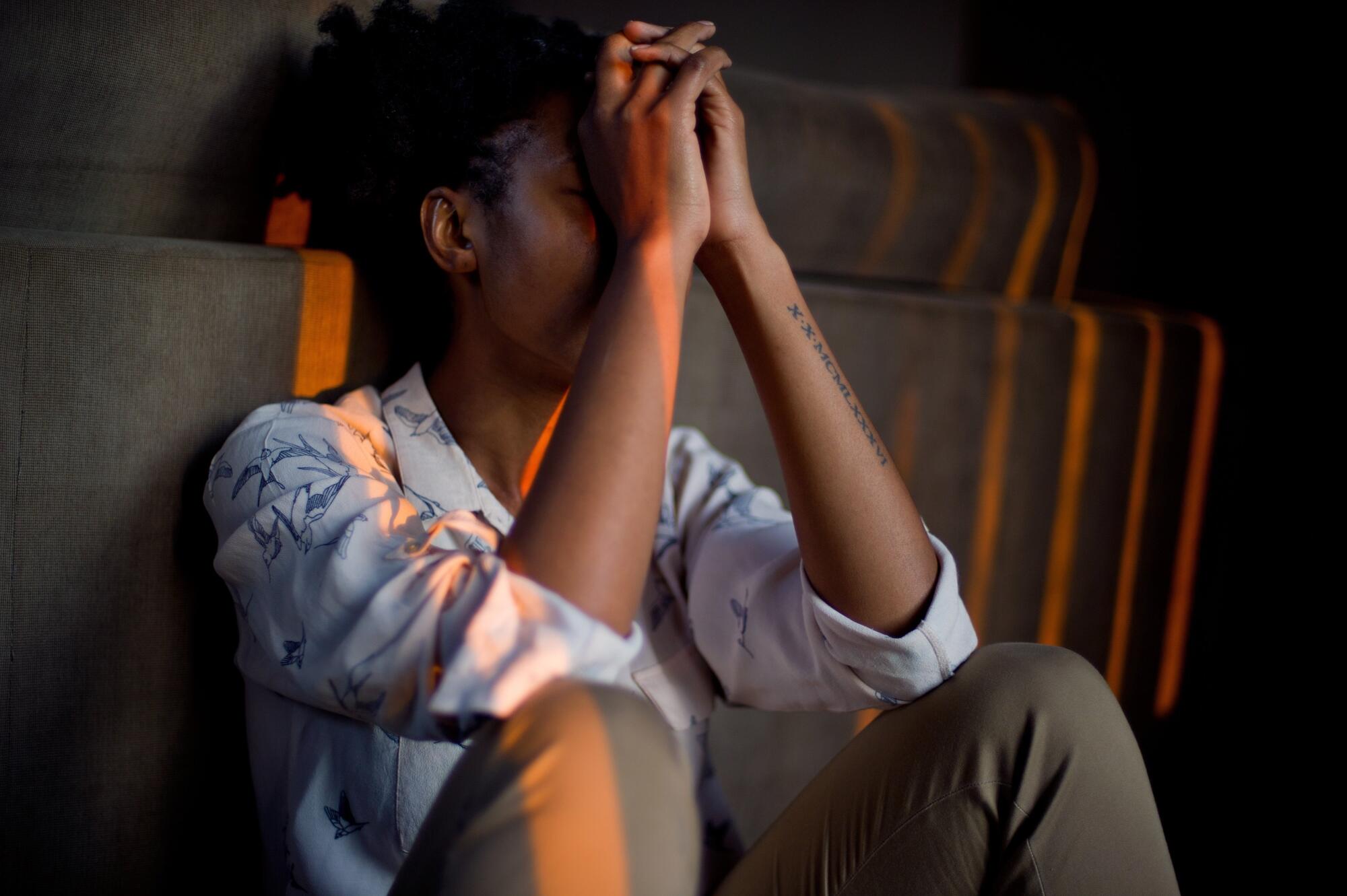
Her short film, Consumption, is about isolation and the complicated, often invisible relationship between food and emotions. But what makes the project hit differently is that it centers an experience that is rarely talked about in Black communities—eating disorders.
Na’vaeh knows exactly how that silence works.
“Consumption really explores how isolation can consume us,” she says. “And how connection can sometimes interrupt that cycle.”
RELATED CONTENT: Kerry Washington Opens Up About Being Suicidal While Battling Eating Disorder
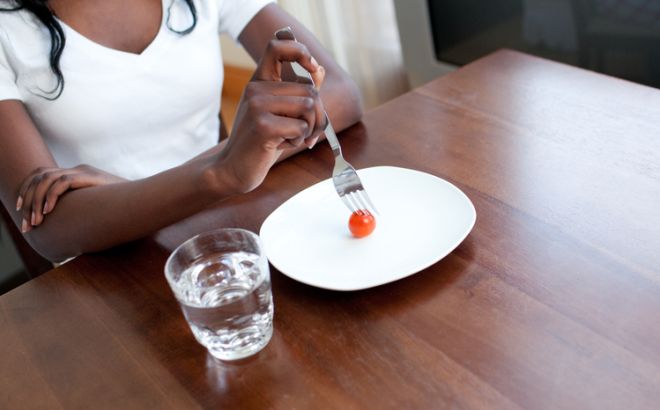
For decades, eating disorders have been framed as an issue affecting white girls and women. The image is familiar: thin, affluent, and suburban. But that framing has always been incomplete and harmful because Black girls and young women have been dealing with disordered eating, too. They’ve just been overlooked.
Research shows that Black adolescents and teenage girls are 50% more likely to engage in bulimic behaviors than their white peers. At the same time, they are far less likely to be diagnosed or receive treatment. That disconnect between who is struggling and who gets recognized has created a quiet crisis, and that’s the gap Na’vaeh is stepping into.
In Consumption, the main character Nori lives inside a carefully controlled world. Every moment is scheduled, all her habits are intentional, and every bite is measured. But when her environment begins to shift through the presence of her roommate, disrupted routines, and human connection, those patterns start to break.
Lead actress Shierra King carries that weight with almost no dialogue. In one scene, she picks at a plate of lasagna. Her movements are small but loaded with tension. It took nearly five hours of shooting take after take to get that moment right. Because for Na’vaeh, the goal wasn’t just to tell a story. It was to make people feel something they might not have language for.
And that matters, especially when you look at how eating disorders show up in Black communities. Cultural norms around food, body image, and community can mask harmful patterns, making it harder for people to even recognize what they’re experiencing. In some spaces, eating more is normalized. In others, control is praised. In many cases, the line between coping and harm gets blurred. That’s the reality Consumption is trying to capture.
Na’vaeh’s connection to the story deepened during the COVID-19 pandemic, when isolation became a global experience but hit differently depending on who you were and what you were carrying.
The post The Eating Disorder Narrative Left Black Women Out — Howard Student Na’vaeh Dudley Is Putting Them Back In The Frame appeared first on MadameNoire.