Senegal Claims ‘Historic’ Gas Win as US Energy Firm Exits Major Project
In a move hailed by the government as a landmark victory for national sovereignty, Senegal has taken full control of the massive Yakaar-Teranga deepwater gas field following the withdrawal of [...]
 Black News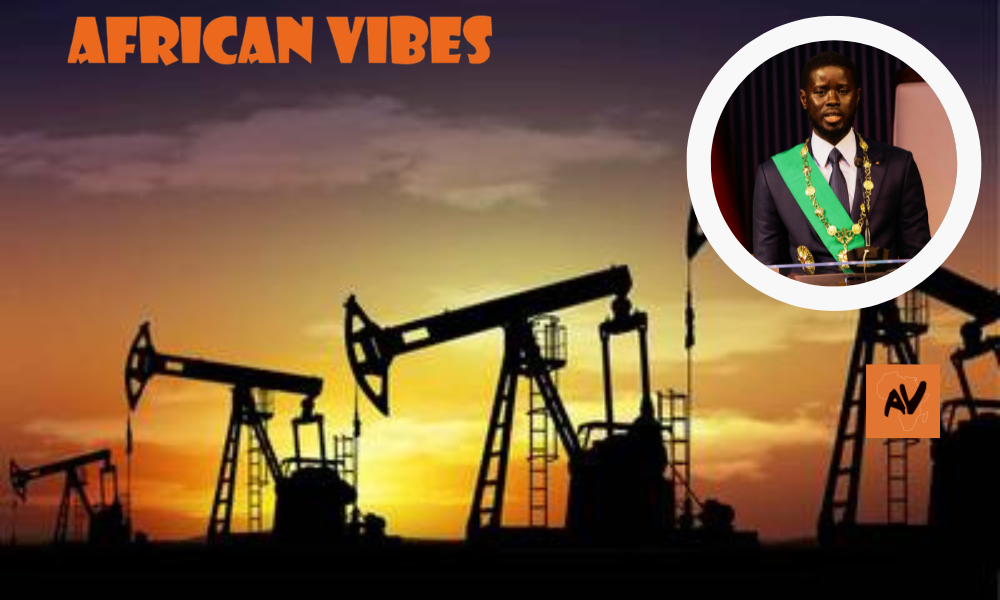
In a move hailed by the government as a landmark victory for national sovereignty, Senegal has taken full control of the massive Yakaar-Teranga deepwater gas field following the withdrawal of US-based Kosmos Energy.
Prime Minister Ousmane Sonko announced that the agreement was reached without any financial compensation paid by the state, handing 100% of the development rights to PETROSEN, the national oil company.
“This is a turning point for our economy,” Mr. Sonko told reporters in Dakar. “We are reclaiming the right to decide how our resources are used for the benefit of our people.”
A 25-Trillion Cubic Foot Prize
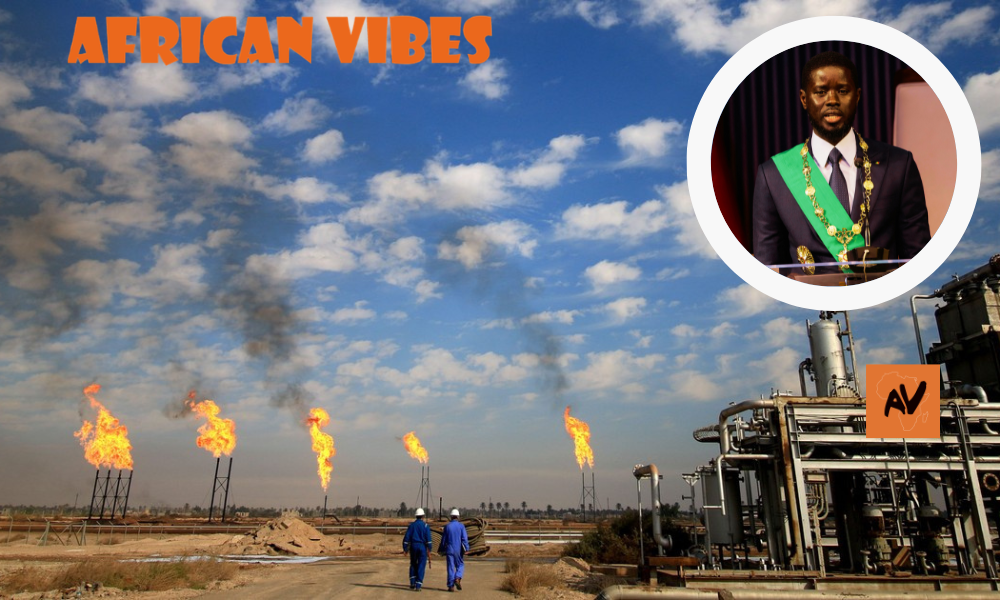
The Yakaar-Teranga field is no small asset. Located in the Cayar Offshore Profond block, it holds an estimated 25 trillion cubic feet (TCF) of recoverable gas. To put that into perspective, it is roughly enough to power Senegal’s domestic energy needs for decades while still leaving room for industrial growth.
However, the project has been stalled by a fundamental disagreement between the state and its former international partners, BP and Kosmos Energy.
- The Conflict: International firms typically favor liquefying gas for export (LNG) to maximize profits on the global market.
- The Vision: The Senegalese government has remained firm on a “gas-to-power” strategy, insisting the fuel be used first to lower domestic electricity costs and drive local manufacturing.
With BP having exited in 2023, the departure of Kosmos marks the end of Western major-operator involvement in the field—leaving Senegal to go it alone.
ALSO READ: 10 African Construction Projects That Will Transform Cities by 2030
The $3bn Question
While the takeover is a political triumph for the Pastef government, it presents a staggering financial and technical challenge. Developing a deepwater field of this scale is estimated to cost at least $3 billion—nearly a third of Senegal’s annual national budget.
PETROSEN CEO Alioune Guèye has expressed confidence that the funds can be raised, suggesting that “Senegalese people” and regional investors could bridge the gap. Yet, industry analysts remain skeptical that such a complex project can be completed without the deep pockets and technical expertise of global “supermajors.”
Analysis: A Risky Gamble on Sovereignty?
By Anne Soy, BBC Africa Correspondent
For years, African nations have complained about “resource colonialization,” where foreign firms extract wealth while local populations remain in the dark. By taking over Yakaar-Teranga, Senegal is attempting to rewrite that script.
However, the clock is ticking. The project’s license was nearing its expiry in July 2026. By pushing out foreign operators who were hesitant to prioritize the domestic market, the government has gained control but lost a safety net.
If PETROSEN can secure the $3 billion investment and meet the 2028 production deadline, it will be a blueprint for the continent. If they fail, one of Africa’s largest energy treasures could remain trapped beneath the ocean floor for years to come.
What Happens Next?
- December 2026: Deadline for the Final Investment Decision (FID).
- 2027: Expected commencement of major infrastructure construction.
- 2028/2029: Targeted date for “first gas” to enter the Senegalese grid.
The government has been quick to clarify that this is not “nationalization,” but a collaborative exit. Nevertheless, investors across West Africa will be watching closely to see if Senegal’s bold move toward energy independence attracts new partners—or scares them away.