The Health Challenges That Can Quietly Follow Jaw Trauma
Unveil the silent health challenges following jaw trauma. Act now to understand the effects and take steps towards a healthier future! The post The Health Challenges That Can Quietly Follow Jaw Trauma appeared first on MadameNoire.
 Black News
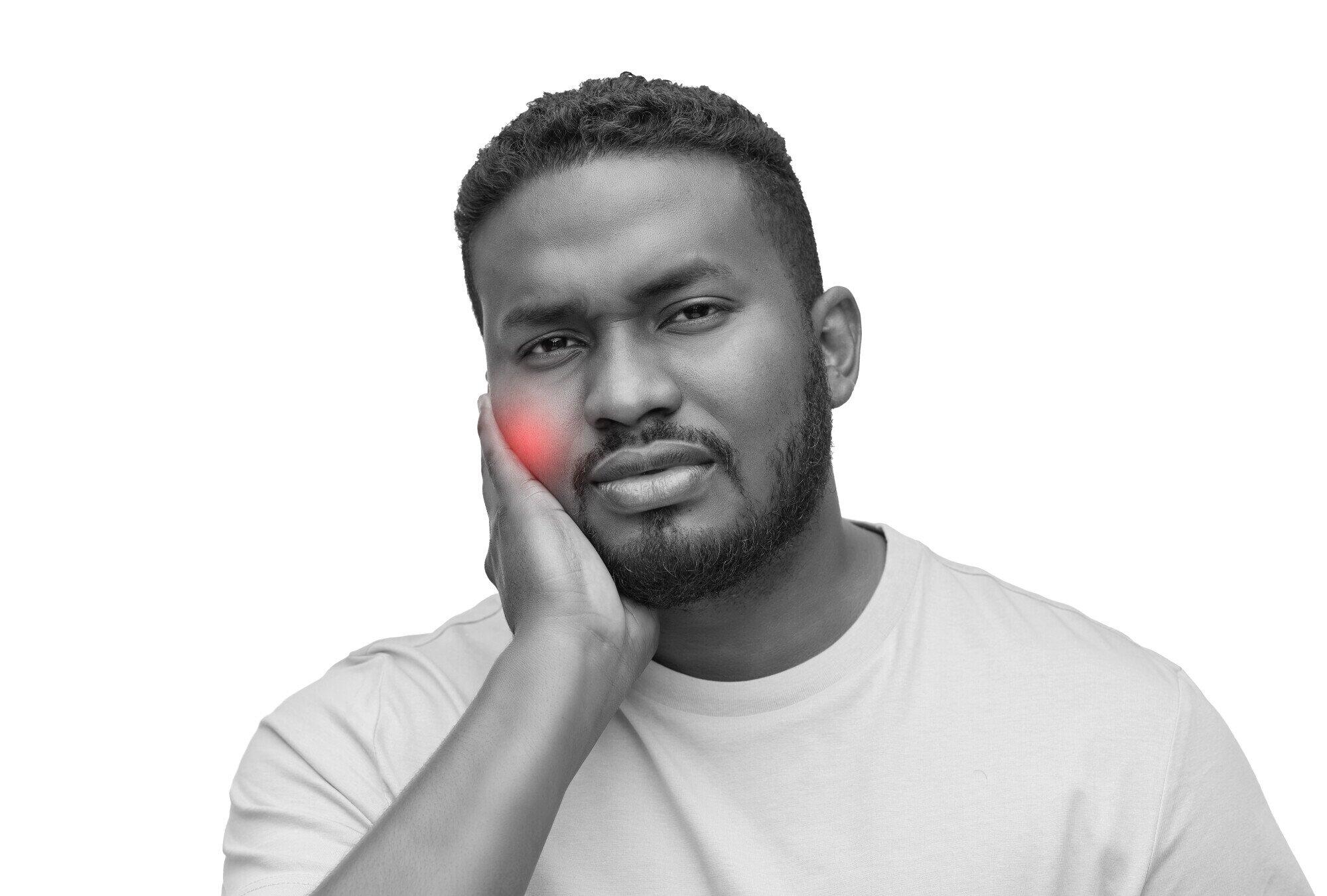
Some health challenges that follow jaw trauma are changes in bite alignment, difficulty eating, headaches, facial tension, and poor sleep quality, all of which can appear right away after the injury or gradually over time.
Jaw injuries are usually associated with symptoms such as pain, swelling, bruising, and difficulty chewing. Whatever the reason for your jaw injury, be it a car accident, a sports injury, a workplace accident, or a fall, trauma to the jaw can be painful and disruptive, and needs to be dealt with the right way the first time around.
Even if your initial injury feels healed, it might not be, and you might have lasting repercussions. In some cases, individuals develop ongoing health challenges that emerge gradually over time. These oral trauma complications may affect daily activities such as eating, speaking, sleeping, and even overall well-being.
RELATED CONTENT: Their Greatest Performance — 8 Black Celebrities Who Battled Serious Illness In Silence
Persistent Jaw Pain Can Occur Over Time
One of the most common lingering effects of facial trauma is chronic pain.
While some discomfort is expected during the recovery process, pain that continues for weeks, months, or even years may indicate underlying issues. Damage to various body parts can sometimes create ongoing discomfort long after visible injuries have resolved, such as:
- Muscles
- Ligaments
- Joints
- Surrounding tissues
Chronic jaw pain may worsen during activities such as:
- Chewing
- Talking
- Yawning
- Clenching the teeth
In some cases, pain may radiate to the:
- Face
- Neck
- Shoulders
- Ears
Because symptoms can develop gradually, some individuals may not immediately connect them to a previous injury.
The post The Health Challenges That Can Quietly Follow Jaw Trauma appeared first on MadameNoire.