The shackles that still bind America
My grandmother was born in 1916 on the same red Virginia ground where her grandfather was born enslaved. She lived to be 105. She carried the weight of what her family had been to my family — and to itself — the way you carry a stone you cannot put down. When she died, the […] The post The shackles that still bind America appeared first on St. Louis American.
 Black News

My grandmother was born in 1916 on the same red Virginia ground where her grandfather was born enslaved. She lived to be 105. She carried the weight of what her family had been to my family — and to itself — the way you carry a stone you cannot put down. When she died, the stone passed to me.
I went looking.
What I found was a paradox written in blood.
The man Thomas Jefferson called “the most learned and logical” of the founding generation was my fifth great-grandfather, Richard Bland. In 1766 he wrote that Parliament’s fleets and armies might give it power, but not right. He wrote that shackles, however nicely polished, would never sit easy on free men. He was Jefferson’s cousin and political mentor. He helped invent the American argument.
He owned 30 human beings.
In 1769, during Jefferson’s first session in the House of Burgesses, he asked his mentor, Bland, to introduce a bill making it easier for masters to free enslaved people. Bland did as Jefferson asked.
He kept his 30 slaves. He died still holding them.
That is the strange contradiction of the founding. A man who understood that government without consent is tyranny could not break the shackles in his own house. He indicted himself with his own argument. So did Jefferson. So did every Virginia patriot who signed his name to natural rights while holding title to another human being.
They wrote the creed anyway. They knew it would destabilize them. And the argument they could not finish was picked up by the people they would not free.
A hundred years later, the great-great-grandson of the man they would not free left the place of his enslavement as a teenager and never looked back. He cobbled shoes. He preached. He kept a lighthouse on the same point of land where the patriot’s plantation once stood. In 1879, the people of Prince George and Surry counties elected him to the Virginia House of Delegates as part of the most successful biracial coalition in the 19th-century South.
Black voters and White allies briefly built one of the South’s most ambitious Reconstruction governments.
The Danville Massacre of 1883 ended that coalition with bullets. The argument went unfinished again.
It is unfinished still.
Last June, the president federalized California National Guardsmen and active-duty Marines and sent them into Los Angeles over the governor’s objection. A federal judge ruled it violated the Posse Comitatus Act. Patrick Henry warned of exactly this in 1788, using almost the same words.
The Fourth Amendment was written because British officers used general warrants — blank checks to search any home, any paper, any person. In 2024, the Fifth Circuit ruled that geofence warrants, which sweep up the data of everyone near a crime scene, are “modern-day general warrants” forbidden by the Constitution.
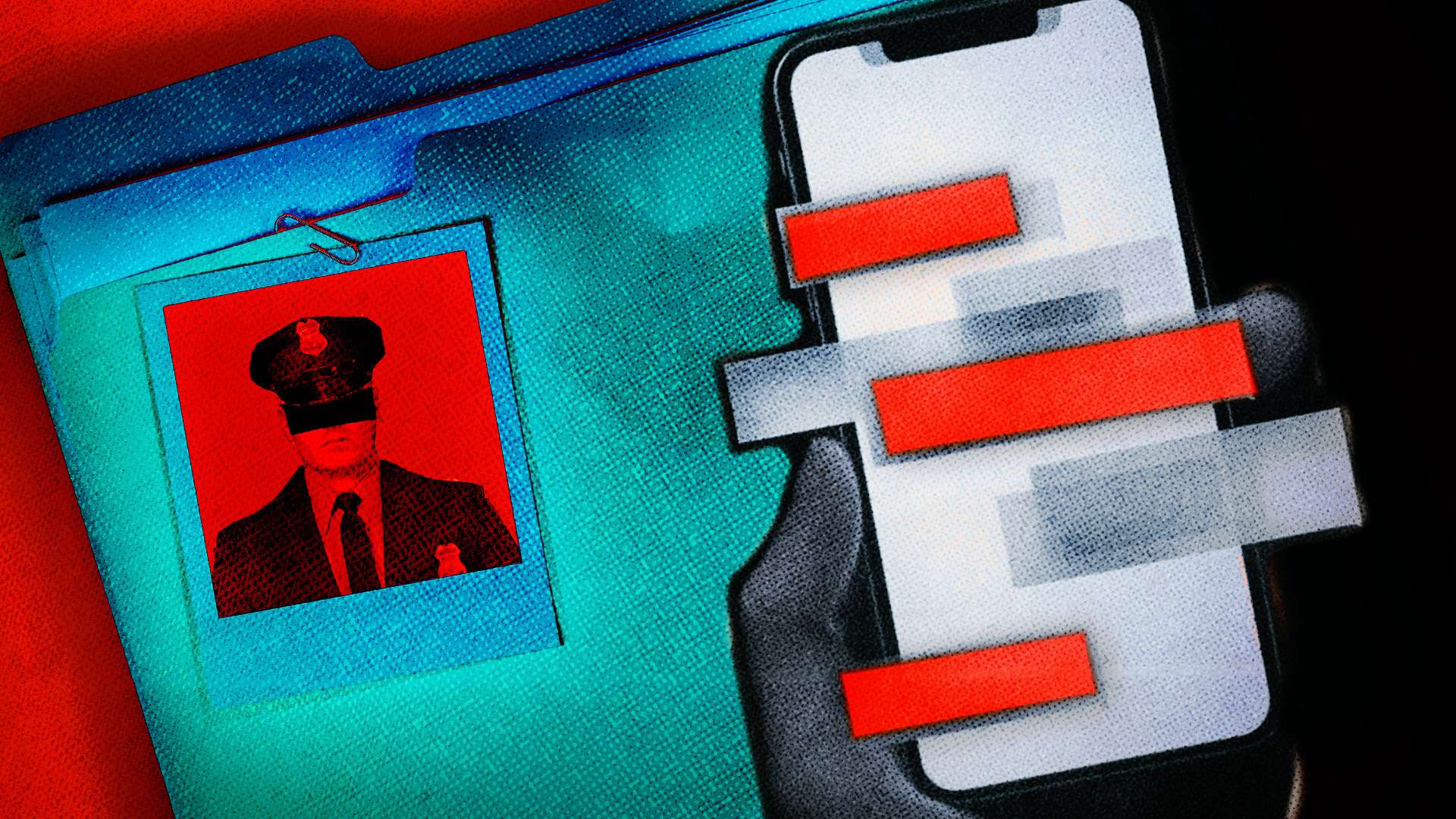
The 1033 Program has poured billions of dollars of military gear into local police departments. Breonna Taylor was killed in her bed. Amir Locke was killed in his sleep. Both died during no-knock police raids.
The patriot understood the principle and could not live by it. His descendant lived it and was outvoted by force. My grandmother carried the weight of that unfinished business her whole life and never put it down.
It was unfinished in 1776. Unfinished in 1865. Unfinished in 1965.
It is unfinished now.
And it is ours to finish.
Ben Jealous is a professor of practice at the University of Pennsylvania and former president and CEO of the NAACP.
The post The shackles that still bind America appeared first on St. Louis American.