Travel between Nigeria and the U.S. faces major changes as both countries overhaul visa procedures
Travel between Nigeria and the United States is entering a new phase after both countries announced separate changes to their visa systems, altering how visas are issued and processed for travellers.
 Black News

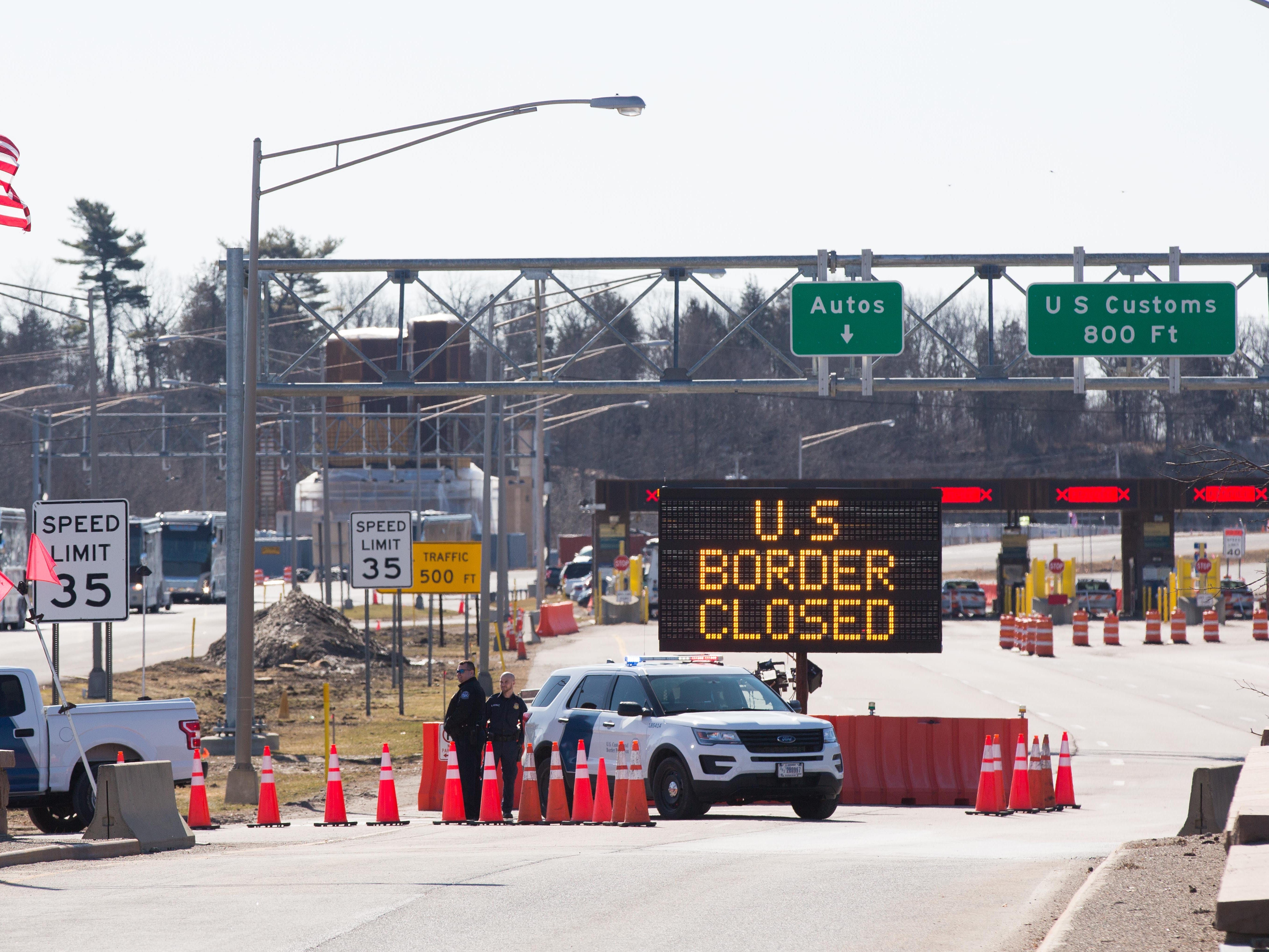
![Travel between Nigeria and the U.S. faces major changes as both countries overhaul visa procedures [AI/Getty Images]](https://ocdn.eu/pulscms/MDA_/317771aabee22af8abd00cabfa90c076.png)
Travel between Nigeria and the United States is entering a new phase after both countries announced separate changes to their visa systems, altering how visas are issued and processed for travellers.
- The U.S. has shortened most non-immigrant visa validity for Nigerians to single-entry, three-month visas, affecting new applications only.
- Existing U.S. visas issued to Nigerians before the policy remain valid until expiry.
- Nigeria has ended outsourced visa processing in the U.S.; applicants must now go directly through Nigerian embassies or consulates.
- These changes are part of broader efforts by both countries to enhance border security and modernize visa administration.
The U.S. has tightened the validity of most non-immigrant visas issued to Nigerian citizens, while Nigeria has overhauled how American-based applicants obtain Nigerian visas by ending its long-running outsourced application arrangement.
Although the two decisions are unrelated, together they represent one of the most significant shifts in U.S.-Nigeria travel procedures in recent years, affecting tourists, business travellers, students and members of the Nigerian diaspora.
DON'T MISS THIS: US visa clampdown on Africa spares Nigerian students as full details emerge
U.S. shortens visa validity for Nigerians
The U.S. Department of State announced that, effective immediately, most non-immigrant and non-diplomatic visas issued to Nigerian citizens will now be single-entry visas valid for three months.
The policy applies only to new visas issued after the change. Existing visas issued before the policy took effect will remain valid under their original terms until they expire.
Washington said the decision forms part of its global visa reciprocity framework, under which visa validity and entry conditions are reviewed continuously based on technical, security and immigration benchmarks.
According to the State Department, these benchmarks include the issuance of secure travel documents, effective identity verification, efforts to reduce visa overstays, and cooperation on the sharing of security and criminal record information.
DON'T MISS THIS: US announces enforcement date as Nigeria, 18 other nations face partial visa ban
The U.S. said it continues to work closely with Nigerian authorities to help the country meet these standards, while commending Nigeria's ongoing efforts to strengthen passport security and border management.
Despite the revised visa policy, Washington reaffirmed its commitment to expanding business, educational and cultural exchanges with Nigeria, describing the bilateral relationship as one underpinned by shared security interests and growing economic opportunities.
Nigeria ends outsourced visa processing in the U.S.
In a separate move, the Nigeria Immigration Service (NIS) announced the immediate disengagement of Online Integrated Solution (OIS Services), the private company that previously operated Nigeria's visa application and submission centres across the United States.
Under the new arrangement, travellers in the United States seeking Nigerian visas must now submit their applications directly through the Nigerian Embassy in Washington, D.C., or the country's consulates.
DON'T MISS THIS: U.S. tightens visa rules for Nigerian travelers with mandatory social media disclosure
The NIS advised applicants to rely on official communication channels of the immigration service and Nigeria's diplomatic missions in the United States for updated application procedures.
While the immigration service did not disclose the reason for terminating the outsourcing arrangement, the move places visa processing back under the direct supervision of Nigerian diplomatic missions.
For travellers, the combined changes mean Nigerians applying for new U.S. visas should generally expect shorter visa validity periods, while U.S.-based applicants seeking Nigerian visas will no longer use a third-party application centre.
The developments come at a time when both governments are placing greater emphasis on border security, immigration management and modernising visa administration, even as they continue to encourage trade, investment, education and people-to-people exchanges between Africa's largest economy and one of its biggest trading and investment partners.