Trump shifts Africa strategy as worsening Ebola outbreak triggers $1.4 billion response from Washington
The Trump administration is seeking more than $1.4 billion in emergency funding to combat the rapidly expanding Ebola outbreak in Africa, marking one of Washington's most significant health-related spending initiatives on the continent since it began scaling back foreign assistance programs.
 Black News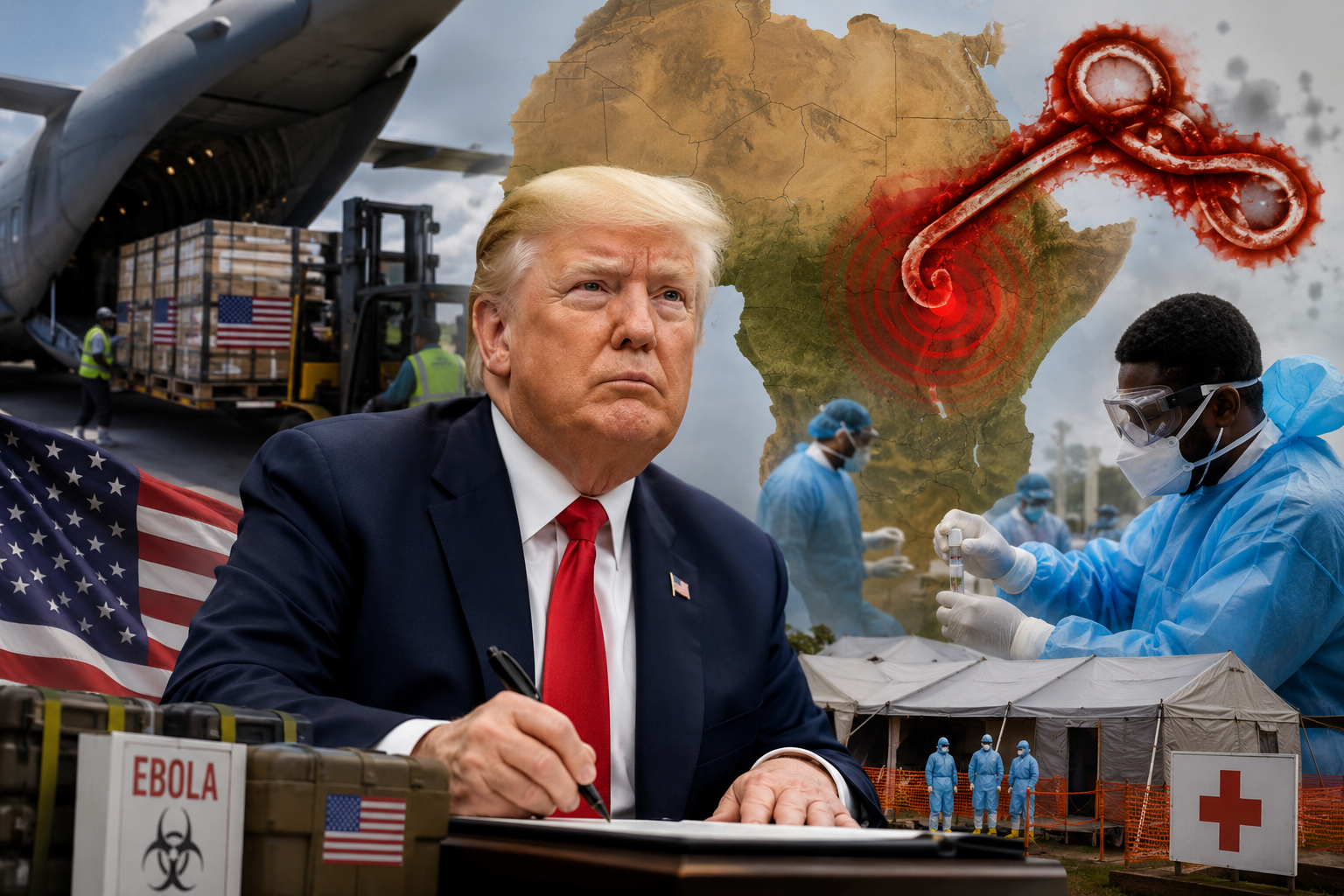

The Trump administration is seeking more than $1.4 billion in emergency funding to combat the rapidly expanding Ebola outbreak in Africa, marking one of Washington's most significant health-related spending initiatives on the continent since it began scaling back foreign assistance programs.
- The Trump administration has requested over $1.4 billion in emergency funding to combat the expanding Ebola outbreak in Africa.
- Funding will support crisis response, contact tracing, infection control, a quarantine center in Kenya, and global health security to prevent the virus from reaching the US.
- This proposal follows criticism of US cuts to foreign aid and previous health programs in Africa, which critics say weakened outbreak preparedness.
- The administration frames the funding as a national security measure, highlighting the necessity of global engagement during health emergencies.
The funding request was submitted to Congress on Wednesday as part of a broader supplemental spending package aimed at containing the outbreak and preventing the virus from spreading beyond Africa.
The proposal comes after months of criticism over U.S. cuts to international aid programs, including support for public health initiatives in Africa.
While the White House has framed the latest funding request primarily as a national security measure to protect Americans from a worsening outbreak, the move highlights how global health emergencies can force renewed engagement with health systems abroad.
DON'T MISS THIS: U.S. expands Ebola response in Africa as Uganda joins talks on treatment hub for Americans
According to a Reuters exclusive, the White House is seeking $800 million for humanitarian crisis response efforts linked to the outbreak.
The funding would support supplies, treatment efforts, contact tracing, infection-control measures and the establishment of a quarantine centre in Kenya for Americans exposed to the virus.
Another $500 million has been requested for global health security initiatives designed to prevent the virus from reaching the United States.
Reuters reported that these measures would include disease surveillance, laboratory capacity, cross-border coordination and potential partnerships with multilateral institutions and private-sector organizations.
The administration is also seeking an additional $90 million for diplomatic operations, including evacuations and transportation of infected U.S. citizens to treatment facilities, Reuters reported.
A shift from recent aid cuts
The funding request arrives against the backdrop of a broader rollback of foreign assistance under President Donald Trump.
Washington has faced criticism from global health experts and development organizations over reductions to U.S.-funded international programs, including support previously channelled through aid agencies and public health partnerships across Africa.
Critics have argued that cuts to American-backed health initiatives weakened preparedness and response capabilities in vulnerable regions before the current outbreak emerged.
DON'T MISS THIS: U.S. injects additional $20 million into Africa's Ebola response, pushing total aid above $220 million
The administration, however, has defended its approach as part of efforts to reduce government spending and ensure overseas assistance better aligns with U.S. strategic interests.
The latest Ebola funding request suggests that despite efforts to curb foreign aid spending, major disease outbreaks remain an area where Washington sees continued engagement as necessary.
Why Africa's health security matters to Washington
Public health experts have long argued that infectious diseases cannot be contained by national borders, making investments in outbreak prevention and response overseas critical to protecting populations elsewhere.
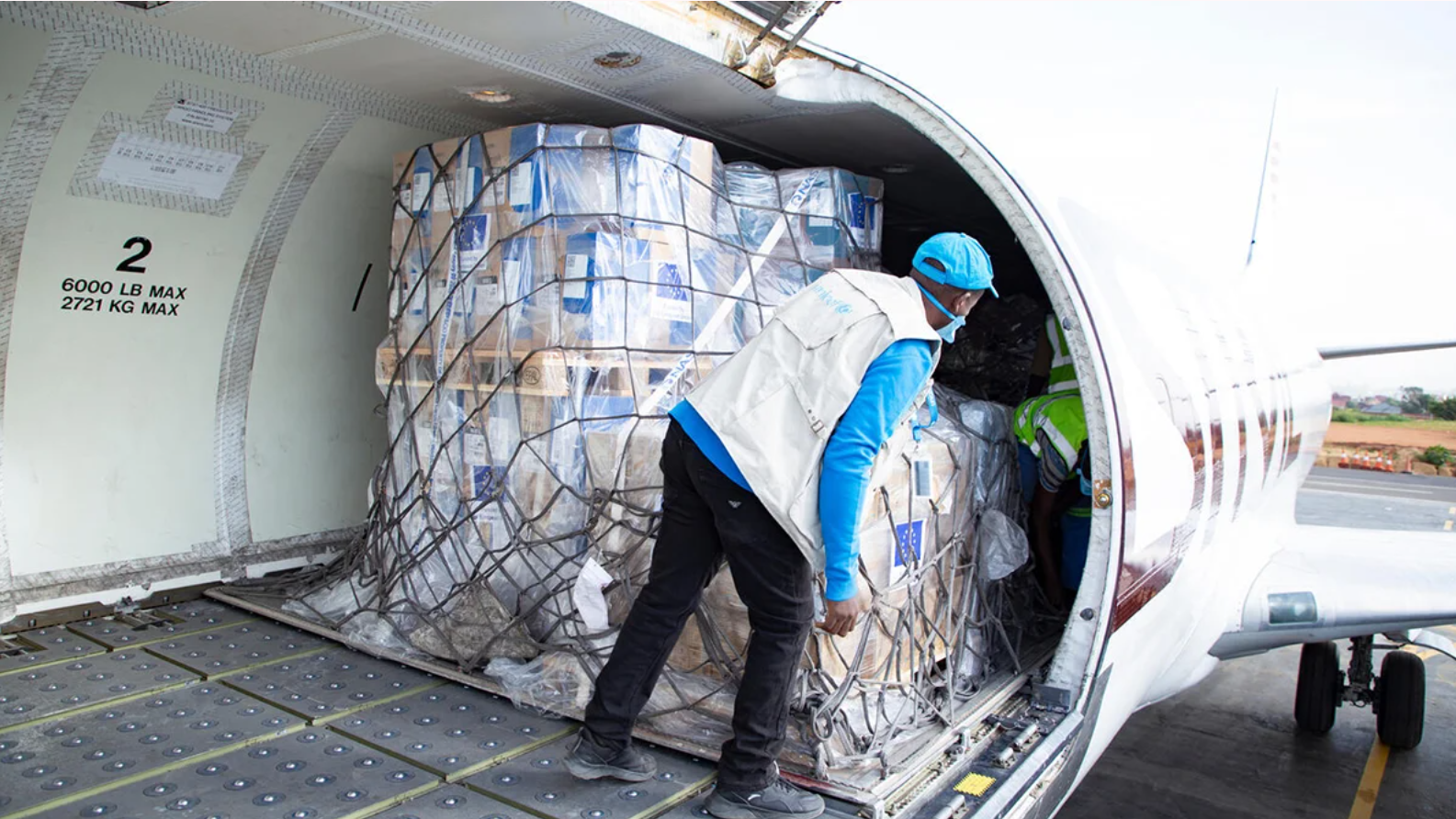
That reality appears reflected in the administration's latest proposal.
Reuters reported that U.S. officials specifically justified part of the funding request as necessary to stop the virus from spreading to the United States.
The proposal highlights how disease surveillance systems, laboratory networks, emergency response capabilities and regional health partnerships in Africa are increasingly viewed not only as humanitarian priorities but also as matters of national security for major economies..
According to Reuters, the U.S. Centers for Disease Control and Prevention announced on June 18 that it would make $107 million in emergency funding available to strengthen domestic and international Ebola response efforts, warning that the outbreak could become the worst on record.
The United States has also provided doses of an experimental antibody treatment for use in clinical trials, expanding access beyond American citizens as health authorities seek to contain the growing crisis.
The White House's new $1.4 billion request represents a significant escalation of an already robust U.S. response.
Business Insider Africa previously reported that Washington had committed over $212 million to support Ebola containment operations in the DRC and Uganda, reinforcing its status as the leading financial backer of Africa's efforts to combat the outbreak.
DON'T MISS THIS: U.S. cements position as top Ebola donor with over $212 million for Africa's outbreak response
Meanwhile, concern about international spread has intensified after France confirmed its first Ebola case linked to the outbreak. Reuters reported that the infected individual was a doctor who had recently returned from a humanitarian mission in the Democratic Republic of Congo.
What it means for Africa
While the White House has not indicated any broader reversal of its approach to foreign assistance, the proposed $1.4 billion package demonstrates that health emergencies continue to command significant U.S. resources when they pose global risks.
For African countries, the development may signal that despite recent aid reductions, Washington remains willing to deploy substantial funding when outbreaks threaten regional stability and international health security.
The Ebola crisis is therefore emerging not only as a public health challenge but also as a test of how far the United States is willing to re-engage with Africa's health sector when global consequences are at stake.