Ukraine offers joint production of war-tested drones and missiles to friendly nations across Africa and beyond
Ukraine is opening its battlefield-tested drone and missile industry to friendly foreign governments through joint production and defence partnerships, a move that could create new opportunities across Africa as countries increase spending on security, surveillance and military technology.
 Black News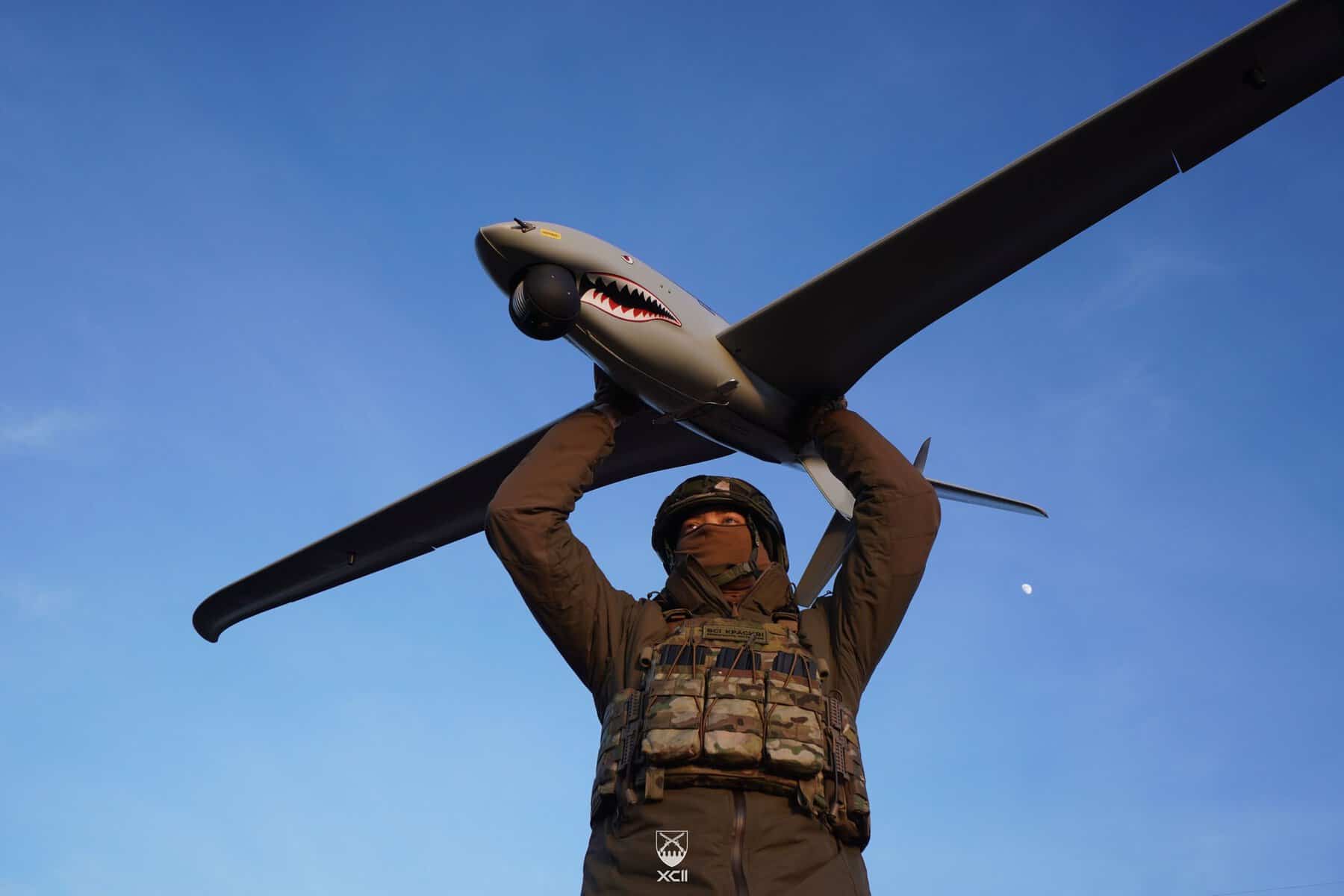

Ukraine is opening its battlefield-tested drone and missile industry to friendly foreign governments through joint production and defence partnerships, a move that could create new opportunities across Africa as countries increase spending on security, surveillance and military technology.
- Ukraine is expanding its arms industry to new international markets, including Africa, offering special agreements for the purchase and joint production of weapons.
- African governments are increasing defense spending and seeking modern systems like drones, surveillance technology, and advanced combat equipment.
- Ukraine faces competition from Russia, the continent's largest arms supplier, but is increasing diplomatic outreach and considering a Ukraine-Africa summit.
- There is rising African demand for battlefield-tested drone technology, though concerns persist about weapons diversion and the risk of arms reaching black markets.
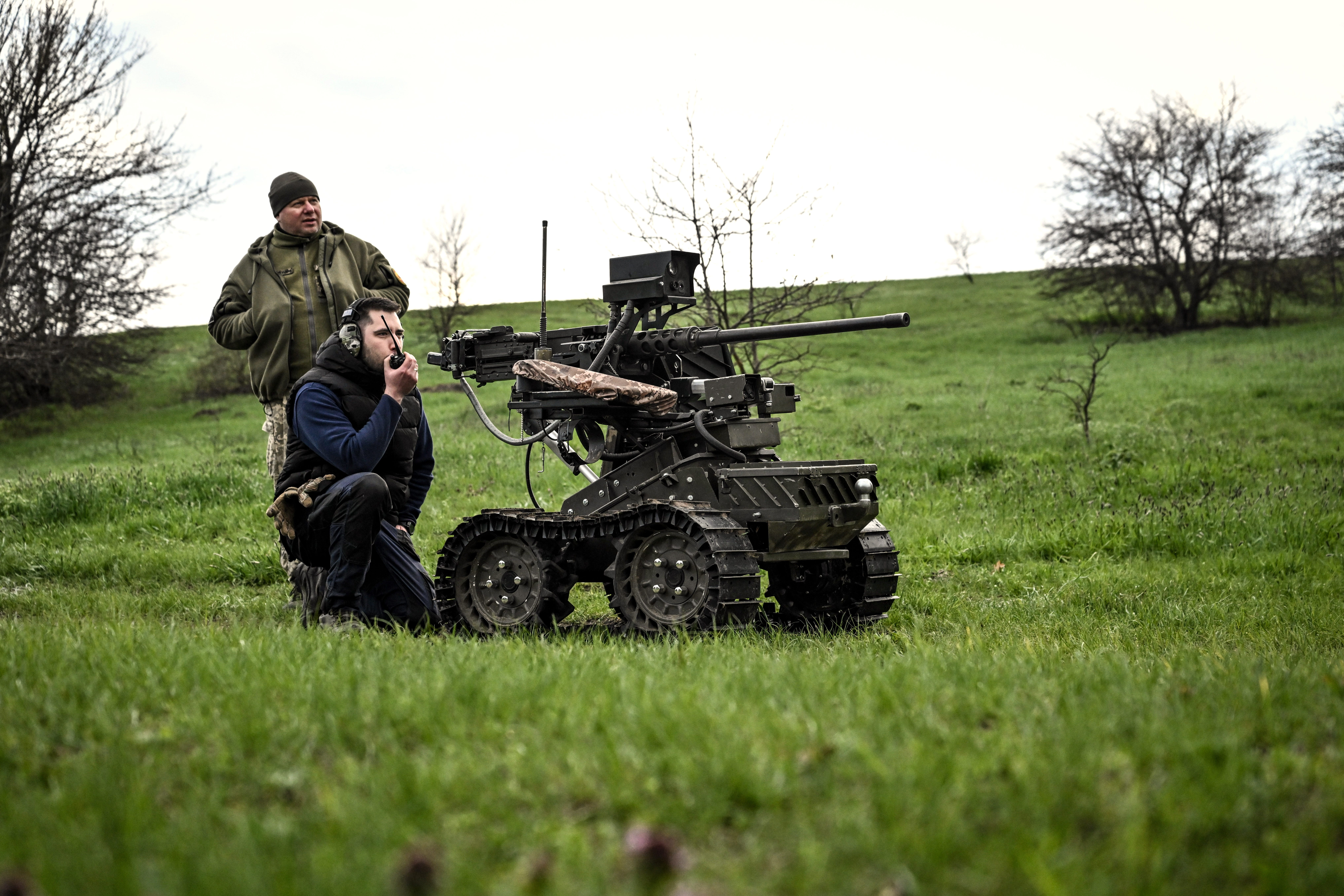
President Volodymyr Zelenskyy said in a social media post that Kyiv will offer partner countries special agreements covering the purchase and joint production of drones, missiles, ammunition and other Ukrainian-made weapons, part of a broader effort to expand defence exports and deepen military cooperation.
The move comes as several African countries ramp up investments in defence technology amid rising insecurity, insurgencies and border threats, creating opportunities for new suppliers outside traditional partners such as Russia, China and Turkey.
Ukraine opens new defence export framework
Zelenskyy said Ukraine had already approved key areas of interstate defence cooperation and begun work on a system of automatic permits for companies exporting weapons.
Under the framework, cooperation will operate on the principle of reciprocity, with bilateral agreements defining the scope of security cooperation before implementation shifts to state institutions and manufacturers.
Ukraine is also simplifying bureaucratic procedures while maintaining export controls, allowing defence companies greater access to international markets provided domestic military needs are prioritised first.
“In some areas, excess production capacity already reaches about 50%,” Zelenskyy said, describing it as a result of increased state investment in Ukraine’s defence industry and cooperation with partners.
The Ukrainian president added that the Ministry of Foreign Affairs, intelligence agencies and the Security Service of Ukraine had been instructed to identify countries barred from purchasing Ukrainian weapons because of ties to Russia.
Africa emerging as a potential market
Africa has historically been part of Ukraine’s defence export network.
According to estimates from the Stockholm International Peace Research Institute, about 18% of Ukrainian arms exports between 2005 and 2009 went to sub-Saharan Africa, including Kenya, Chad, Nigeria, Equatorial Guinea and the Democratic Republic of Congo.
Ukraine supplied aircraft, tanks, armoured vehicles, artillery, small arms and ammunition to several African militaries during that period, while Ukrainian contractors also participated in military-related operations and technical support across parts of the continent.
Ukraine’s renewed push into African defence markets comes as governments increasingly seek advanced drone systems, surveillance technology and local manufacturing partnerships.
Ukraine competes with Russia for influence
Before Russia’s 2022 invasion, Ukraine maintained limited political influence in sub-Saharan Africa despite strong commercial ties with North Africa.
Since the war began, however, Kyiv has expanded diplomatic outreach across the continent as it seeks political allies, economic partnerships and new defence markets.
According to Defence24, Ukraine plans to increase its diplomatic missions in Africa to about 20 embassies and is considering a Ukraine-Africa summit as it competes with Russia’s longstanding influence on the continent.
Moscow remains Africa’s largest arms supplier, exporting missiles, artillery systems, small arms and armoured vehicles while maintaining deep security relationships with several governments.
Ukraine has also reportedly begun talks with some African countries on weapons production and military modernisation partnerships, although the war continues to constrain parts of its defence industry.
Drone warfare demand rises across Africa
Analysts say Ukraine’s battlefield-tested drone technology could attract interest from African governments seeking lower-cost alternatives for border surveillance, counterinsurgency operations and infrastructure protection.
In regions such as the Sahel, the Lake Chad Basin and parts of East Africa, governments continue to battle armed groups operating across remote territories with limited state presence.
Countries including Nigeria, Mali, Niger and Burkina Faso face persistent insurgent threats linked to Boko Haram and Islamic State affiliates.
At the same time, concerns remain over arms diversion and the risk of weapons entering black markets, an issue Western governments continue to monitor closely as military support for Ukraine expands.