UNAIDS warns U.S. funding withdrawal could threaten progress in South Africa's HIV battle
The United States has begun a phased withdrawal of HIV/AIDS funding for South Africa, a move that has prompted warnings from UNAIDS that hard-won gains against the epidemic could be at risk in the country with the world's largest HIV-positive population.
 Black News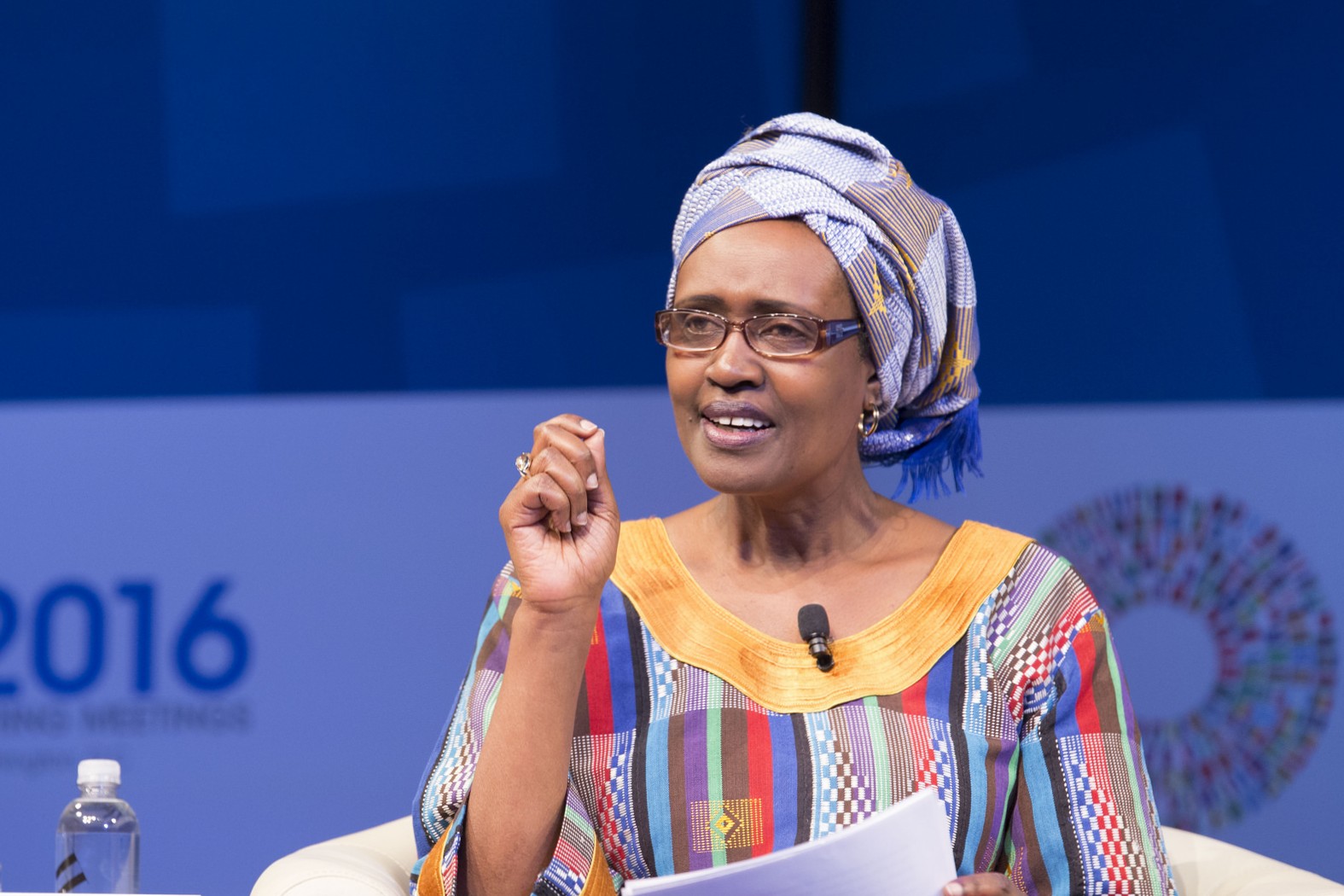

The United States has begun a phased withdrawal of HIV/AIDS funding for South Africa, a move that has prompted warnings from UNAIDS that hard-won gains against the epidemic could be at risk in the country with the world's largest HIV-positive population.
- The U.S. has begun a phased withdrawal of PEPFAR funding in South Africa.
- UNAIDS warns the move could disrupt HIV services and put vulnerable communities at risk.
- South Africa has about 8 million people living with HIV, the highest number globally.
- Health experts fear broader aid cuts could undermine decades of progress against AIDS.
The decision affects support provided through the President's Emergency Plan for AIDS Relief (PEPFAR), a flagship U.S. global health programme that has helped finance HIV prevention, testing and treatment efforts across Africa for more than two decades.
In a statement, the U.S. State Department said it had decided to initiate a gradual drawdown of PEPFAR support in South Africa, arguing that the programme was never intended to be permanent and that South Africa, as a middle-income country, is capable of funding its own health programmes.
The move comes against the backdrop of a broader review of U.S. foreign assistance under President Donald Trump's administration and follows months of tension between Washington and Pretoria over diplomatic and policy issues.
Reacting to the decision, UNAIDS Executive Director Winnie Byanyima said she was concerned about the implications for vulnerable communities that continue to rely on services supported by the programme.
"I'm sad about that. Taking it away is taking away life-saving support from the most vulnerable people. So, that is sad. And I would ask the United States to reconsider their position,"she said.
South Africa is home to about 8 million people living with HIV, the highest number in the world. While the government largely finances the procurement of antiretroviral medicines, PEPFAR has played a significant role in supporting the broader health infrastructure needed to combat the disease.
According to UNAIDS, the U.S. programme has contributed as much as 17% of South Africa's HIV funding and has helped pay the salaries of approximately 15,000 health workers involved in testing, prevention, counselling and treatment services.
PEPFAR has been widely regarded as one of the most successful global health initiatives ever launched.
Since its creation in 2003 under former U.S. President George W. Bush, the programme has invested billions of dollars in HIV programmes across Africa and is credited with helping save millions of lives.
Its support has been particularly important in southern Africa, which remains the region most affected by HIV globally.
The latest development has reignited debate about the sustainability of donor-funded healthcare programmes across the continent.
While South Africa's government has repeatedly stated that it funds the vast majority of its HIV treatment programme, public health experts warn that replacing donor-funded personnel and community-based services could prove more difficult than replacing medicine procurement budgets alone.
Byanyima warned that declining development assistance from traditional Western donors could undermine global efforts to end AIDS as a public health threat by 2030.
According to UNAIDS, around 32.1 million people worldwide are currently receiving HIV treatment. However, roughly 9 million people still lack access to life-saving medicines, while an estimated 1.2 million people were newly infected last year.
The agency says recent funding reductions are already beginning to affect services in some countries.
Byanyima pointed to falling HIV testing rates and sharp declines in condom distribution in parts of the developing world as early warning signs that progress could begin to reverse.
"Please do not take money away because you are taking lives away. Have a planned transition. We are seeing early signs of serious reversals in our progress... the trend that has been going down may now reverse and start rising,"she added.
The immediate challenge for the country will be determining how quickly it can absorb functions previously supported by U.S. funding without disrupting services for millions of people who depend on the country's HIV response system.