US-based Nigerian billionaire, Ogunlesi targets growth of $30 billion asset exposure in Africa’s largest economy
Nigerian billionaire Adebayo Ogunlesi is positioning South Africa as a key destination for large-scale infrastructure capital, backing a strategy that could significantly expand a roughly $30 billion asset footprint in the country over the next five years.
 Black News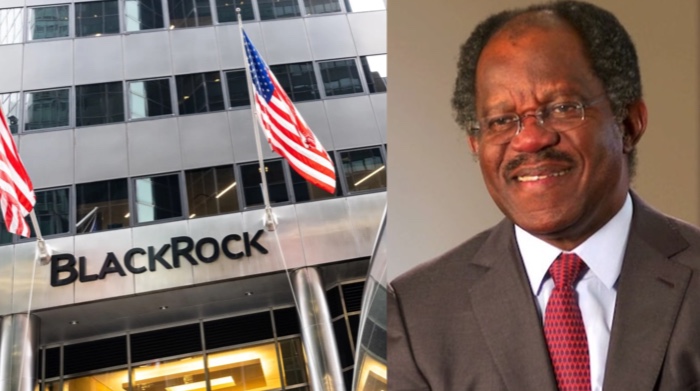

Nigerian billionaire Adebayo Ogunlesi is positioning South Africa as a key destination for large-scale infrastructure capital, backing a strategy that could significantly expand a roughly $30 billion asset footprint in the country over the next five years.
- Adebayo Ogunlesi is increasing infrastructure investments in South Africa, aiming to substantially grow a $30 billion asset base over the next five years.
- Ogunlesi highlighted significant opportunities in energy, transport, and logistics if policy consistency and implementation improve.
- He emphasized that investor confidence relies on regulatory clarity and efficient infrastructure delivery to attract more global capital.
- President Cyril Ramaphosa noted major recent investment commitments, including $500 million from BlackRock and a record $54 billion in new pledges.
Nigerian billionaire Adebayo Ogunlesi has signalled a deeper push into South Africa’s infrastructure space, saying the country’s long-standing infrastructure challenges present a significant opportunity for long-term private investment, provided reforms remain consistent and implementation improves.
Ogunlesi said BlackRock currently oversees around R500 billion in South Africa-linked assets under management, equivalent to roughly $28–$30 billion depending on exchange rates, and expects this exposure to increase significantly over the next five years as investment conditions improve.
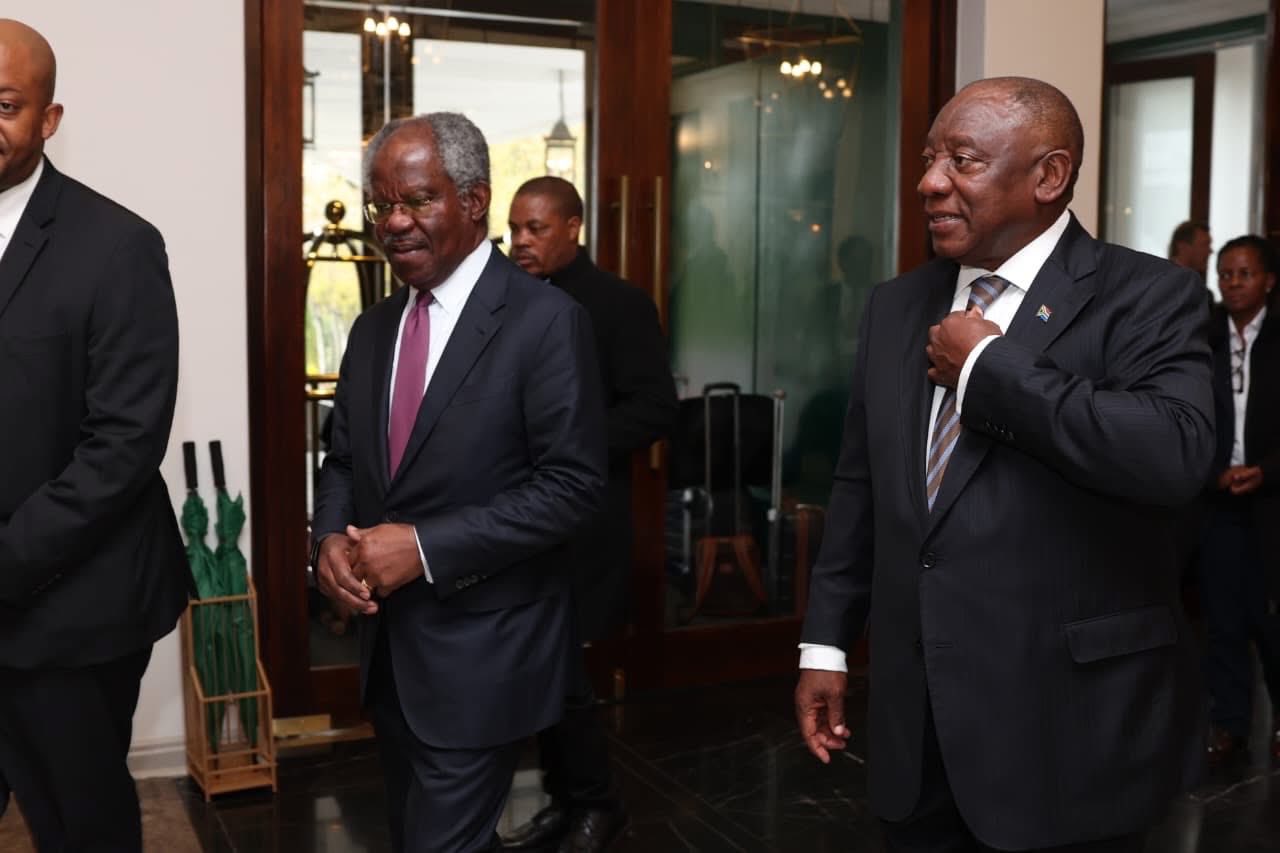
Ogunlesi made the remarks in Cape Town during the BlackRock South Africa Infrastructure Investment Summit, where he joined South African President Cyril Ramaphosa and global investors and policymakers to discuss financing solutions for large-scale infrastructure development in the country.
Ogunlesi, the chairman and CEO of Global Infrastructure Partners, now part of BlackRock, said South Africa remains underdeveloped in critical infrastructure sectors that are essential for sustained economic growth, including energy, transport and logistics.
“We think that infrastructure in South Africa and indeed on the African continent as a whole is at an inflection point. The simple fact is that South Africa, like many other countries, has underinvested in infrastructure that underpins its strength and vitality,” Ogunlesi said.
He added that investor confidence is closely tied to policy certainty and efficient execution, noting that infrastructure delivery must improve if the country is to attract larger pools of global capital.
President Ramaphosa also referenced earlier investment momentum, noting a $500 million commitment made by BlackRock to the African Infrastructure Fund III, which targets financing for energy systems, logistics corridors and transport infrastructure across the continent.
He said the pledge, announced earlier in the year ahead of the summit, reflects growing confidence in Africa’s infrastructure pipeline and the increasing role of private capital in funding large-scale development projects.
BlackRock is the world’s largest asset manager, overseeing approximately $14 to $15 trillion in assets under management, and serving institutional, intermediary, and individual investors.
Energy and logistics seen as key bottlenecks
Ogunlesi highlighted electricity supply constraints, ageing transport infrastructure and inefficiencies in ports and rail systems as major barriers to competitiveness. According to him, addressing these challenges could unlock productivity gains across multiple sectors of the economy.
“In the 21st century there simply is no excuse for unreliable electricity supply. Reliable and affordable energy is a foundation requirement for growth,” he said.
Ogunlesi also pointed to emerging demand for digital infrastructure, including data centres and power capacity, driven by the global rise of artificial intelligence and cloud computing.
He said South Africa is competing directly with developed and emerging markets for infrastructure capital, making regulatory clarity and predictable investment frameworks increasingly important.
President Cyril Ramaphosa said South Africa has attracted about R1.5 trillion in investment commitments over the first five years of its investment drive, launched in 2018, spanning sectors including energy, telecommunications, infrastructure, property, mining and advanced manufacturing.
He added that the country recently secured a record $54 billion (around R890 billion) in pledges at the 6th South Africa Investment Conference held last month.
Ramaphosa said this momentum has led government to set a new target of R3 trillion (about $180 billion) in investments over the next five years.
At the same time, the broader investment drive comes as South Africa continues to grapple with periodic xenophobic tensions and public frustration over unemployment and service delivery, factors that some analysts say can affect investor sentiment.
Despite these challenges, Ramaphosa used the summit to position South Africa as a key gateway for continental investment and encouraged deeper private sector participation in infrastructure development.