A big month for small business
The King's Speech confirmed landmark late payment legislation that could transform life for the UK's small businesses. Here is what is coming and when The post A big month for small business appeared first on Elite Business Magazine.
 Black News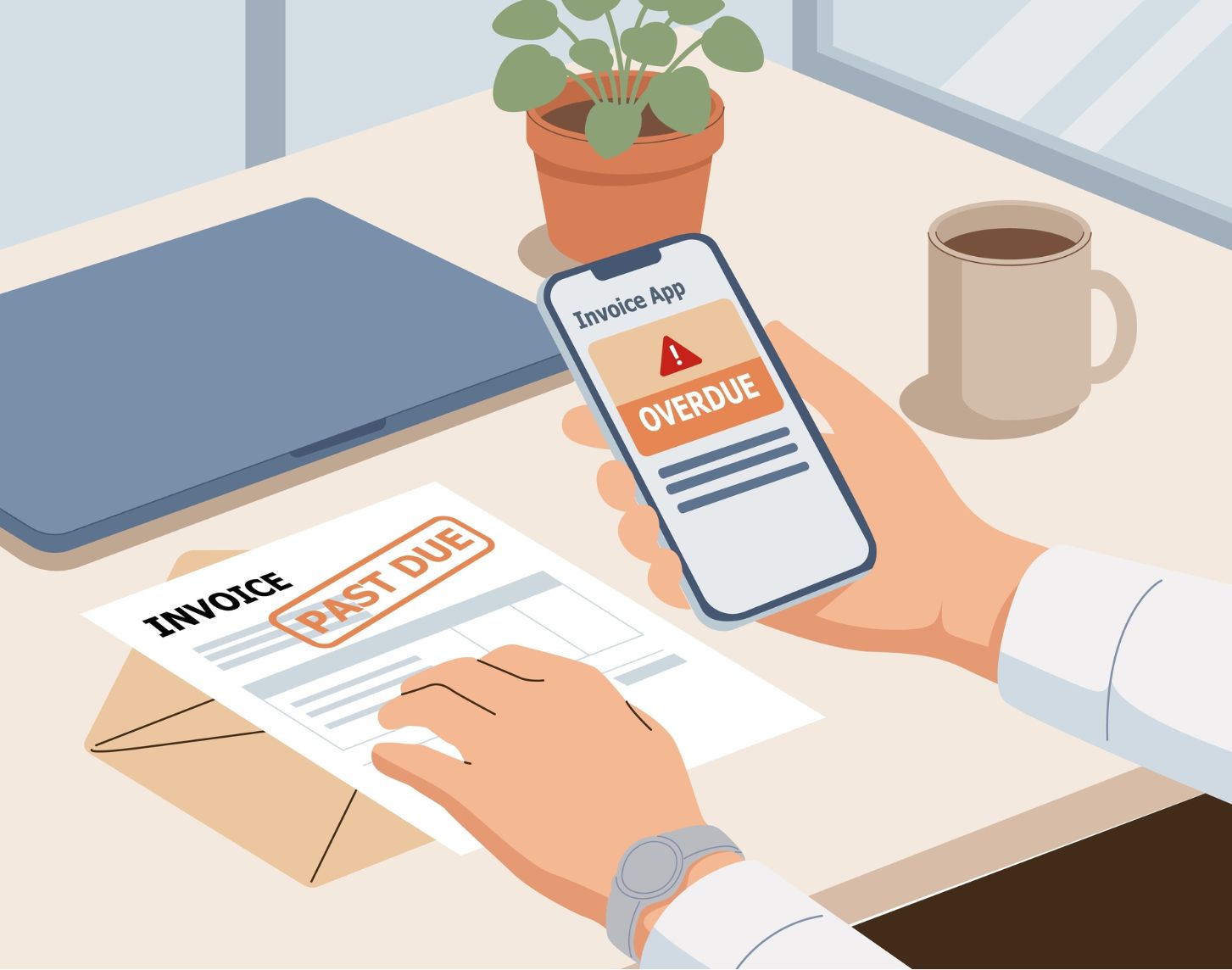
‘My government will introduce measures to tackle late payments.’
These were the words uttered by His Majesty on 13 May in the King’s Speech, and a sentence I was delighted to hear. As I say almost everywhere I go, my Office is on a mission to make life easier for small businesses, and when late and long payments cost the UK economy £11bn annually, cause 38 businesses to close every day and keep businesses chasing invoices for 86 hours, this legislation represents a big step forward in that mission.
Here is a reminder of what the government plans to do on late payment legislation and the timeline you can expect for implementation.
Key measures
The UK will move to an economy of 60 days maximum payment terms. This means that if you are a small business being asked to sign contracts with payment terms of more than 60 days, this will become illegal after the legislation is introduced. There is a strict exemption if a small business requests that payment terms can be longer. For example, bookshops need longer terms as they pay their suppliers when books sell, which can be longer than 60 days, but this is how that industry works.
Mandatory interest will be applied to late invoices at 8% above the Bank of England base rate (currently at 3.75%). This can be included in contracts you sign and on invoices raised. The Office of the Small Business Commissioner will be tracking interest owed and paid by larger firms through the public payment reporting data.
There will be a time limit so that invoices must be disputed ahead of the payment due date. After that point, the invoice is accepted as given.
New powers for the Office of the Small Business Commissioner will mean the Office can adjudicate payment disputes to support small firms in getting paid monies they are owed, investigate companies that are persistent offenders when it comes to paying late, and fine such practices. Investigations and fines will be made public.
These powers will not be retrospective: they will apply to contracts and payments from the point at which the new legislation is introduced.
Timeline
The first reading of the Bill took place on Tuesday 19 May. The Bill was introduced in the House of Lords, commencing its passage through Parliament. It is difficult to be precise on a date by which the Bill becomes law, but if there are few complications, the Small Business Protection (Late Payments) Bill, which has also been referred to as the Commercial Payments Bill, could receive royal assent and come into legal effect next year.
The Office will be communicating progress at every step so that small businesses know their rights and large companies can prepare for the legislative changes. You can keep up to date by subscribing to my weekly update.
This was a big month of progress in solving the problem of late payment. If we can effectively free up your time and cash, both can be spent on going for growth.
The post A big month for small business appeared first on Elite Business Magazine.