‘Blame the government’ — anti-migrant leaders deflect responsibility for potential violence on 30 June
Organisers of the upcoming 30 June demonstrations against illegal immigrants insist their movement is peaceful, arguing that any potential lawlessness is a failure of state policing and border control. Meanwhile, opposing coalitions are calling for the immediate arrest of the movement’s leaders for inciting violence. “Whose responsibility is it to protect the country? Is it […] The post ‘Blame the government’ — anti-migrant leaders deflect responsibility for potential violence on 30 June appeared first on The Namibian.
 Black News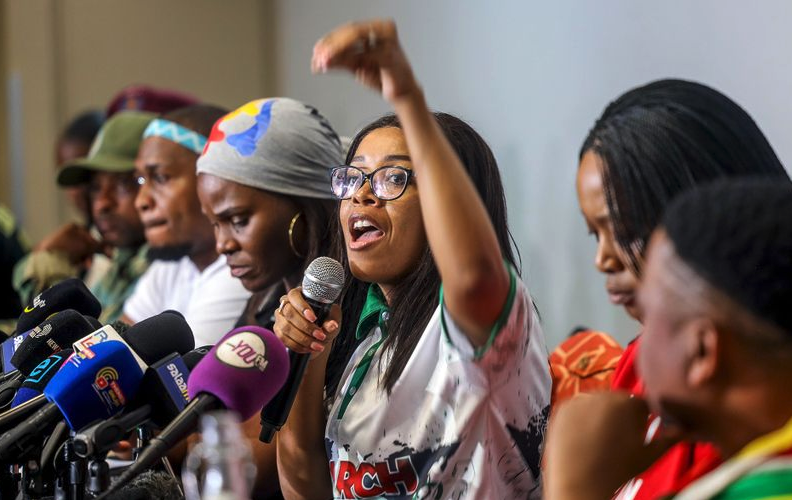
Organisers of the upcoming 30 June demonstrations against illegal immigrants insist their movement is peaceful, arguing that any potential lawlessness is a failure of state policing and border control. Meanwhile, opposing coalitions are calling for the immediate arrest of the movement’s leaders for inciting violence.
“Whose responsibility is it to protect the country? Is it us? It’s definitely not our responsibility. You can’t place that on us,” said March and March leader Jacinta Ngobese-Zuma alongside 27 civil society organisations at a press conference at the Protea Hotel in Midrand on Wednesday, 24 June.
The collective reiterated that 30 June is the deadline for undocumented migrants to “self-deport” and confirmed that applications had been made to obtain permits for countrywide demonstrations. The 30 June deadline has not been endorsed by the government.
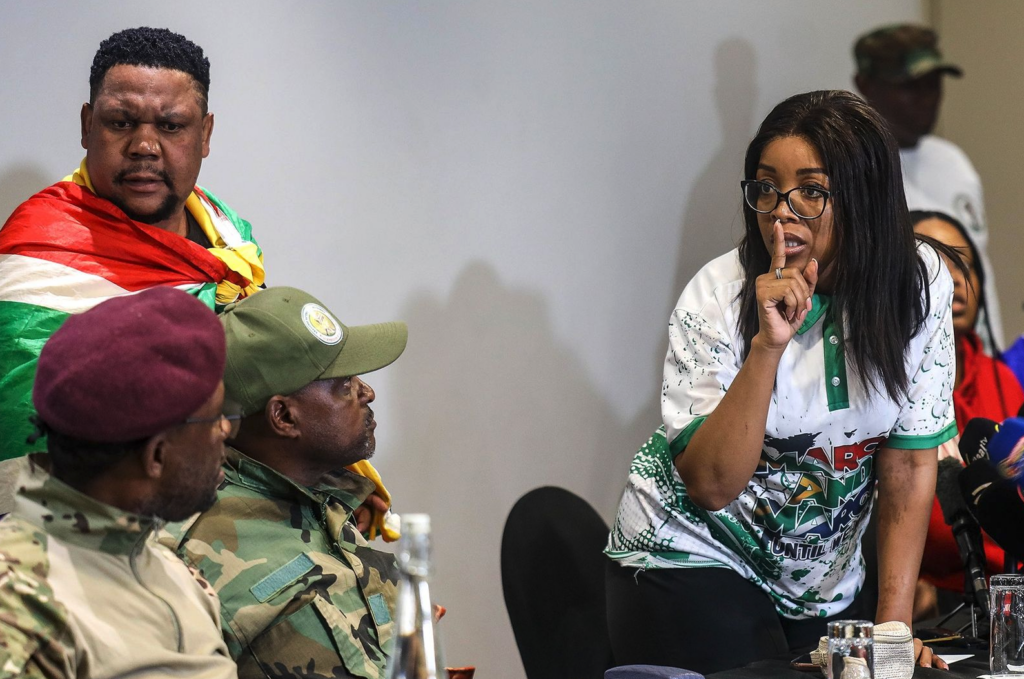
The group, which included the Kwanele Foundation, South Africans for Constitutional Reform, the United Truck Drivers of South Africa, and Progressive Forces of South Africa, stated their demands for the government to tighten security at national borders, increase funding to the Border Management Association and Home Affairs, reserve the township economy for South Africans, and increase deportations of undocumented migrants.
They insisted that the movement is a peaceful one that rejects any form of violence and looting. However, the declaration rings hollow amid several reports of violence linked to anti-migration tensions. Earlier this month, hundreds of migrants fled their homes in an informal settlement in Mossel Bay after anti-migrant mobs destroyed 55 shacks. The SA Police Service confirmed that two Mozambican nationals were killed during the unrest.
In another incident, on 23 June, 1,700 Malawians fled their homes in KwaZulu-Natal after a mob allegedly beat a 29-year-old Malawian man to death in connection with the wave of anti-migration protests.
Videos showing migrants being harassed while trying to show their papers or assaulted by a mob in the presence of media personality Ngizwe Mchunu, who is affiliated with the March and March movement, have also been posted to social media. In it, Mchunu can be seen yelling, “Voetsek, kwerekwere, voetsek [Go away foreigners, go away]”, along with the crowd. (Warning: the content of the linked videos may be distressing for some readers.)
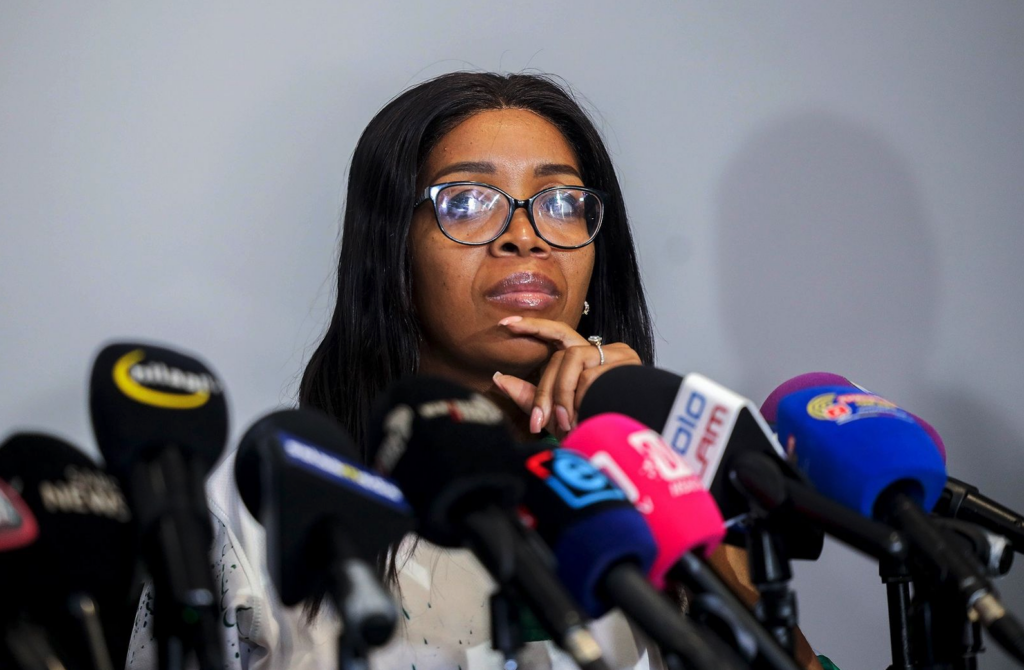
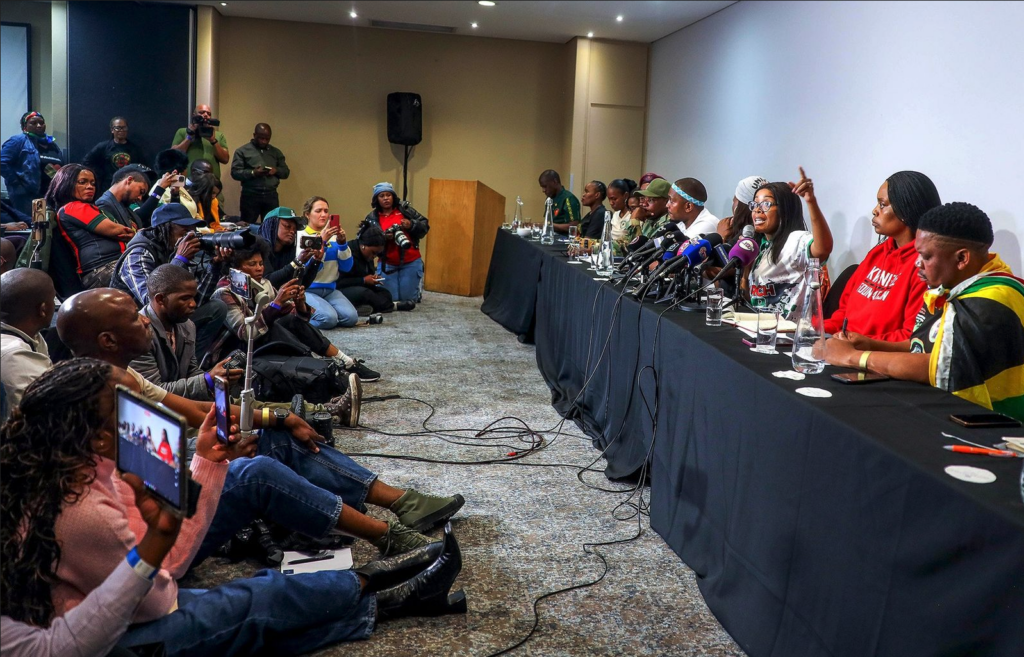
Ngobese-Zuma said that while they would take precautions to prevent violence on 30 June, it was ultimately the responsibility of the police to ensure the law was followed.
“If the government is going to be spending R600-million, then it must work for it. They must show us that they can be able to protect the country,” said Ngobese-Zuma.
“If anyone wants to point a finger at someone who must take responsibility, start with those who allowed illegal immigration in the first place. Those are the ones who must take responsibility for anything that happens on the 30th. Don’t point the finger at us. We’ve done our due diligence. If there’s anyone who must shoulder any blame for the 30th, it’s the government.”
R600m policing operation
One of the issues that came up repeatedly during the presser was the reported R600-million budget set aside for the 30 June demonstrations, with the collective insisting the money would be better spent on deportations. This amount was confirmed earlier this week by Acting Police Minister Firoz Cachalia, who said the SAPS would be out “in full force” and no police officer would be allowed to take leave.
On Wednesday, Cachalia confirmed that the SAPS would collaborate with private security companies to increase manpower and prevent a repeat of the July 2021 unrest that left dozens of businesses looted and more than 300 people dead.
“I want to assure all South Africans that the SAPS, working closely with other law enforcement agencies, including the metro and private security, are fully prepared for the planned demonstrations on 30 June,” said Cachalia.
“Operational plans have been finalised. Resources have been mobilised. Communications channels between SAPS, Psira [Private Security Industry Regulatory Authority], private security companies, and other stakeholders have been strengthened.
“We will protect lawful and peaceful demonstrations as provided for in our Constitution. At the same time, we will act decisively against any group or individual that seeks to engage in criminal conduct.”
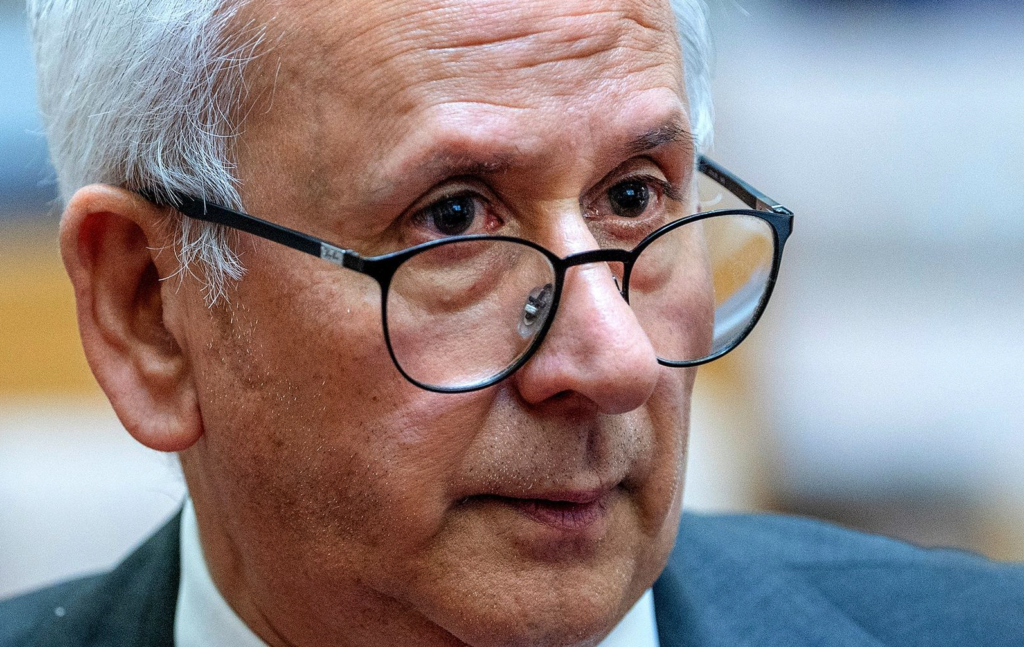
Pressure is mounting on the South African government to respond to the wave of anti-migration protests across the country.
The Siyafana Sonke Action Campaign, a broad coalition representing 160 civil society organisations, has called for an urgent meeting with the Presidency to demand the immediate cessation of violence and displacement, the provision of humanitarian aid to affected communities, and the arrest of March and March and Operation Dudula leaders for inciting violence, including former Operation Dudula leader and current member of ActionSA Zandile Dabula, Ngobese-Zuma, Nkosikhona Ndabandaba (known as Phakel’umthakathi), and Mchunu.
Meanwhile, the South African Human Rights Commission has warned of a “possible human rights crisis” as tensions continue to soar ahead of the 30 June deadline.
In May, Cachalia warned against South African citizens taking the law into their own hands by attempting to conduct citizen’s arrests.
“That’s the responsibility of the police, so there is no such thing as a citizen’s arrest. We cannot respond to lawlessness with lawlessness and create an environment of anarchy in the country. That’s not acceptable,” he said. DM
The post ‘Blame the government’ — anti-migrant leaders deflect responsibility for potential violence on 30 June appeared first on The Namibian.