Crisis of trust
A growing number of Malawians are turning to medicine stores, pharmacies and local grocery shops for initial treatment when sick while avoiding public hospitals, a new survey shows. What once served as temporary stopgaps have now evolved into routine healthcare pathways, reflecting deep-seated concerns regarding the accessibility and reliability of formal health services. According to … The post Crisis of trust appeared first on Nation Online.
 Black News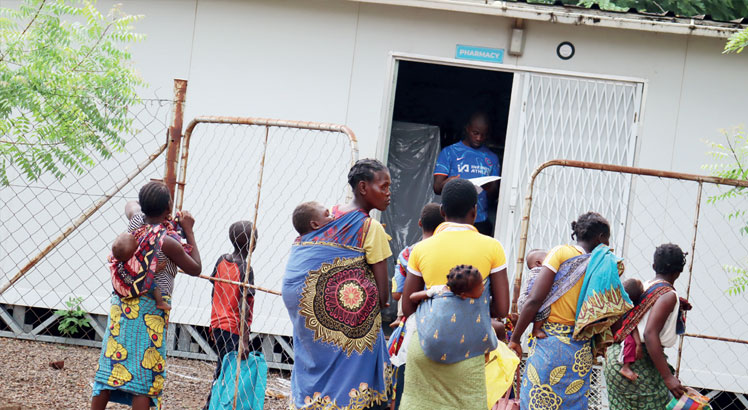
A growing number of Malawians are turning to medicine stores, pharmacies and local grocery shops for initial treatment when sick while avoiding public hospitals, a new survey shows.
What once served as temporary stopgaps have now evolved into routine healthcare pathways, reflecting deep-seated concerns regarding the accessibility and reliability of formal health services.
According to data from the Malawi Sixth Integrated Household Survey, 46.3 percent of the population now seeks initial treatment from local pharmacies and grocery stores when ill. In stark contrast, only 28.3 percent of citizens visit public health facilities.
This stark divide highlights the severity of the situation, showing that patients overwhelmingly favour retail drug outlets over public clinics to manage everyday medical needs.
These figures point to a major shift away from the traditional healthcare system. The heavy reliance on informal health providers highlights declining public confidence in government facilities, largely driven by persistent drug stock-outs, staff shortages and long wait times at public hospitals, according to medical experts.
private clinic. | Michael Mmeya
Urban vs. rural healthcare trends
lUrban shifts: City residents are leading the migration toward informal care, with 50.6 percent obtaining treatment from local pharmacies and grocery shops, compared to 45.4 percent in rural communities.
lRural dependence: While rural areas remain more dependent on government facilities than their city counterparts, only 29.5 percent of residents actually seek treatment there. This highlights persistent delivery challenges, often exacerbated by medicine shortages and resource gaps.
Regional disparities
- Northern Region: Records the highest government facility utilization at 43.1 percent.
- Southern Region: Accounts for 31.9 percent of government facility users, showing moderate utilisation rates.
- Central Region: Trails significantly at just 16.3 percent, indicating widespread variance in public confidence and access across the country.
The survey reveals a troubling disease burden in Malawi, with over 35percent of the population reporting an illness or injury in the two weeks prior to the study. Rural communities face the greatest challenges, while self-medication trends threaten to severely undermine healthcare systems.
Key findings and disease burden
- lGeographic disparities: Rural communities recorded a 36.1 percent illness rate compared to 31.4 percent in urban areas. The Southern Region registered the highest incidence of sickness at 37 percent.
- lLeading causes of illness: Malaria and fever account for 39.3 percent of reported sicknesses. Sore throat and flu follow at 22.1percent while stomach aches represent 8.2percent, according to the survey.
- lTreatment and barriers: While most seek care at health facilities, 6.9 percent rely on other healthcare providers and 6.6percent resort to traditional remedies or home-kept medicines. Notably, 3.4percent of sick individuals forgo treatment entirely due to financial constraints.
The Sixth Integrated Household Survey findings correspond with another by pan-African Afrobarometer which revealed a majority of Malawians face challenges accessing public health services.
The Afrobarometer survey, released in April this year, revealed citizens who visited a public clinic or hospital in the past 12 months, nearly two-thirds claimed it was difficult to obtain the health services they needed.
“Among the 73 percent of Malawians who had contact with a public health clinic or hospital during the previous year, more than six in 10 [62 percent] say it was “difficult” or “very difficult” to access the health services they needed,” said the Afrobarometer survey report.
Further, this also corroborated the findings of a joint investigation by the country’s investigative journalists from various media houses which uncovered that many Malawians fail to access services in public health facilities due to the culture of bribery and deep-rooted corruption.
The dangers of self-medication
Ministry of Health spokesperson Benedicto Mbewe and Medical Council of Malawi registrar Dr. Davie Dzolowere were not available for comment.
But, in an interview, health systems and policy expert from School of Global and Public Health at Kamuzu University of Health Sciences (Kuhes) Dr Isabel Kazanga-Chiumia observed that the survey revealed a “deeply concerning trend in health-seeking behaviour” in the country.
She warned that the growing pattern on reliance on self-medication was not simply a matter of convenience but poses significant risks to individuals, families, communities, and the healthcare system.
“At the individual level, self-medication often means wrong diagnosis and wrong treatment, as many common symptoms overlap across diseases,” she warned.
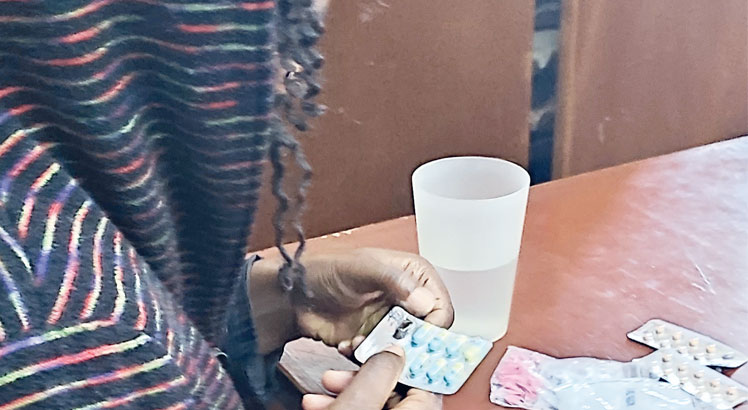
public facility in Chikwawa. | Nation
Kazanga-Chiumia explained that without proper clinical assessment and diagnosis by trained professionals, serious conditions may be missed, leading to delays in life-saving care.
She said people frequently take incorrect dosages or stop medicines as soon as they feel better and mix drugs unsafely.
“Self-medication contributes to the misuse and abuse of medicines, particularly among young people, who may use painkillers, sleeping pills, cough syrups, and anti-anxiety medicines without appropriate medical supervision.
“Factors such as peer influence, social media, and easy access to medicines may increase this practice, placing young people at risk of addiction, overdose, mental health problems, and long-term organ damage,” she explained.
Although the extent of the problem is yet to be systematically quantified in the country, she said it had been observed by healthcare professionals and community members, suggesting it represents an emerging public health concern warranting attention.
At family level, according to Kazanga-Chiumia, the choices quietly accumulate costs due to repeated purchases of ineffective drugs, delayed hospital visits requiring more intensive and expensive interventions and lost income when caregivers and patients miss work due to an illness that could have been timely treated has become severe.
Kazanga-Chiumia said at community level, self-medication undermines disease control efforts.
“People with infectious diseases may temporarily relieve symptoms without treating the underlying infection, allowing disease transmission to continue while believing they are cured.
“Delayed diagnosis and treatment also mean that many illnesses are detected at more advanced stages, when care is more difficult, costly, and less effective, increasing the risk of disability, chronic illness, and premature death,” she said.
Kazanga-Chiumia noted that these health consequences place a heavy financial burden on families, particularly in poor and rural communities, where long-term illness reduces productivity and weakens livelihoods.
She said at health system level, self-prescription was a major driver of antimicrobial resistance (AMR) as inappropriate antibiotic use, including taking antibiotics for viral infections, stopping treatment early, and using antibiotics without medical guidance, creates conditions for resistant bacteria to emerge and spread.
“Over time, AMR undermines the effectiveness of standard treatment guidelines and national stewardship efforts, while placing increasing pressure on laboratory services and diverting scarce health resources away from other priority health needs,” she warned.
Pharmaceutical Society of Malawi (Phasom) president William Mpute said his body “firmly maintains individuals should primarily seek medical treatment from recognised health institutions, ideally hospitals and health centers
He said when accessing these facilities becomes impossible, registered community pharmacies and private clinics only serve as appropriate alternatives.
Mpute said patient safety was heavily supported by the current legal framework, which classifies medicines into distinct schedules based on the level of expertise required to handle them.
“For instance, General Sales List items, such as two-tablet packs of paracetamol, can be legally purchased in grocery stores, whereas prescription-only medications strictly require a valid prescription from a qualified clinician,” explained Mpute.
He said Phasom acknowledged the value of expert research on healthcare utilisation and emphasises that unassisted self-medication, purchasing medicines from grocery stores, and seeking care at registered pharmacy “should never be lumped into a single category”.
“Each of these behaviours impacts public health in fundamentally different ways. Unlike grocery store owners or individuals practicing unassisted self-medication, trained pharmacy professionals possess the clinical expertise necessary to make informed decisions that benefit the patient, including recognising when a patient must be referred to a hospital, explained Mpute
Pharmacist Faith Scott said self-medication was a common practice among many people who visit her pharmacy.
She estimated at least five or more customers seek medicines daily without first consulting a doctor often requesting prescription drugs or describing symptoms that require medical assessment.
But Scott explained when patients present symptoms that suggest a serious condition she advises them to visit a hospital or consult a doctor.
“As pharmacists we are not licensed to diagnose illnesses so we refer them for proper medical examinations and laboratory tests before treatment can be prescribed,” she said.
Why health facilities are bypassed
According to Scott, sick people she has interacted with claim they bypass public health facilities for several reasons.
“Some mistakenly believe pharmacies provide the same services as hospitals while others are discouraged by long queues, overcrowding and frequent drug shortages in public hospitals,” she explained.
Scott said commonly requested prescription drugs include amoxicillin, cotrimoxazole (Bactrim), metronidazole (Fragyl), sildenafil, erythromycin and azithromycin.
While some patients return for previously prescribed medicines—assuming the same treatment will work without understanding that doctors must consider factors like age, pregnancy, and organ function—Scott emphasises that responsible pharmacists refer patients with severe symptoms to a hospital.
“As pharmacists, we are not licensed to diagnose illnesses, so we refer them for proper medical examinations and laboratory tests before treatment can be prescribed,” she explained.
Malawi Health Equity Network executive director George Jobe said the findings were a wake-up call for the country’s health sector as they reflect declining confidence in the public health system.
He said: “Many people are discouraged by persistent shortages of some essential medicines, long waiting times, inadequate staffing, frequent equipment breakdowns and the long distances to health facilities, forcing them to seek what they perceive as quicker and more accessible alternatives.”
Jobe said the growing reliance on pharmacies, drug stores and grocery shops also raises serious concerns about equity in the country’s health system.
He said while some people could afford to buy medicines from licensed pharmacies or private providers, many poor households either purchase medicines from informal outlets, delay seeking care or go without treatment altogether.
“It is even worse in rural hard-to-reach areas where licensed pharmacies and drug stores are almost non-existent. This undermines the principle of Universal Health Coverage, where everyone should have access to quality healthcare without suffering financial hardship.
“Self-medication is further widening inequalities because wealthier households are more likely to afford consultations, diagnostic tests, and quality medicines when their condition worsens.
“The poor often rely on over-the-counter medicines, incomplete doses, or medicines purchased without proper diagnosis.
“This increases the risk of complications, antimicrobial resistance, prolonged illness, catastrophic health expenditure and avoidable deaths especially among vulnerable groups such as children, pregnant women, older persons, and people living with chronic conditions,” he said.
He urged government to urgently restore public confidence in public health services by ensuring a consistent supply of essential medicines and medical supplies, recruiting and retaining adequate health workers, strengthening primary healthcare services, improving the quality of care and increasing domestic financing for health.
The post Crisis of trust appeared first on Nation Online.