When Culture Takes the Field
Fashion · Culture · World Cup 2026 When Culture Takes the Field How the Congolese Leopards transformed a World Cup arrival in Houston into one of 2026’s defining cultural moments — and the man who made it happen. By Hadassa Serrano · Noire Fashion Contributor, Africa · June 2026 The Leopards arrive in Houston, June […]
 Black News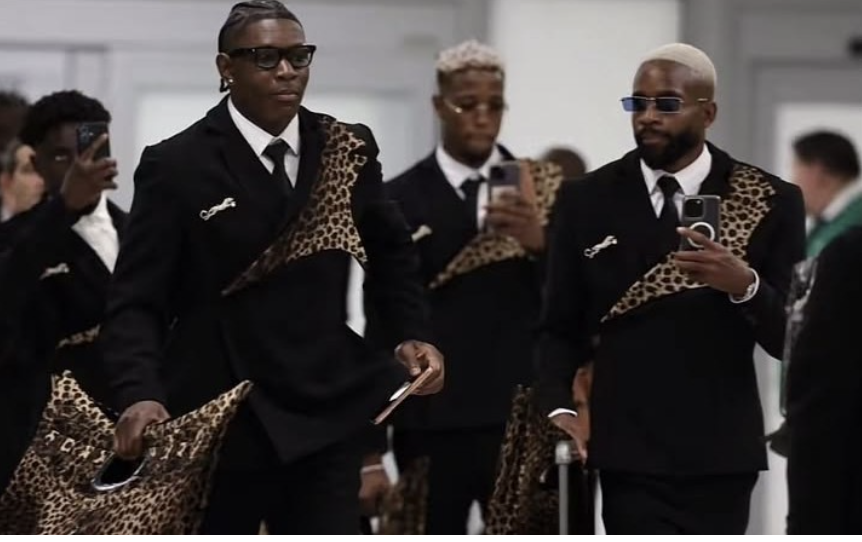
Fashion · Culture · World Cup 2026
When Culture Takes the Field
How the Congolese Leopards transformed a World Cup arrival in Houston into one of 2026’s defining cultural moments — and the man who made it happen.
On June 11, the Congolese football team landed in Houston, Texas, for the 2026 FIFA World Cup. Arrivals like this happen dozens of times during a tournament. Teams walk through airports, cameras catch them briefly, the image runs once and disappears. This one did not disappear. The comment sections filled in five languages before anyone had a name to attach to what they were looking at. Who designed these looks? Who are they? Why did they come so chic?
Dressed in sharp black tuxedos tailored individually for each player, embellished with a leopard-print sash and a brooch on the left side depicting a leopard running forward with a ball, the Leopards had turned a routine team arrival into something else entirely. The brooch detail was deliberate: the designer described it as representing the Congolese team running with the ball to the goal, not running after it. Even the smallest pieces were doing narrative work. The bags completed looks that stopped fashion press and sports press in the same scroll. An entrance made in elegance and flair, and it left the world genuinely in awe.
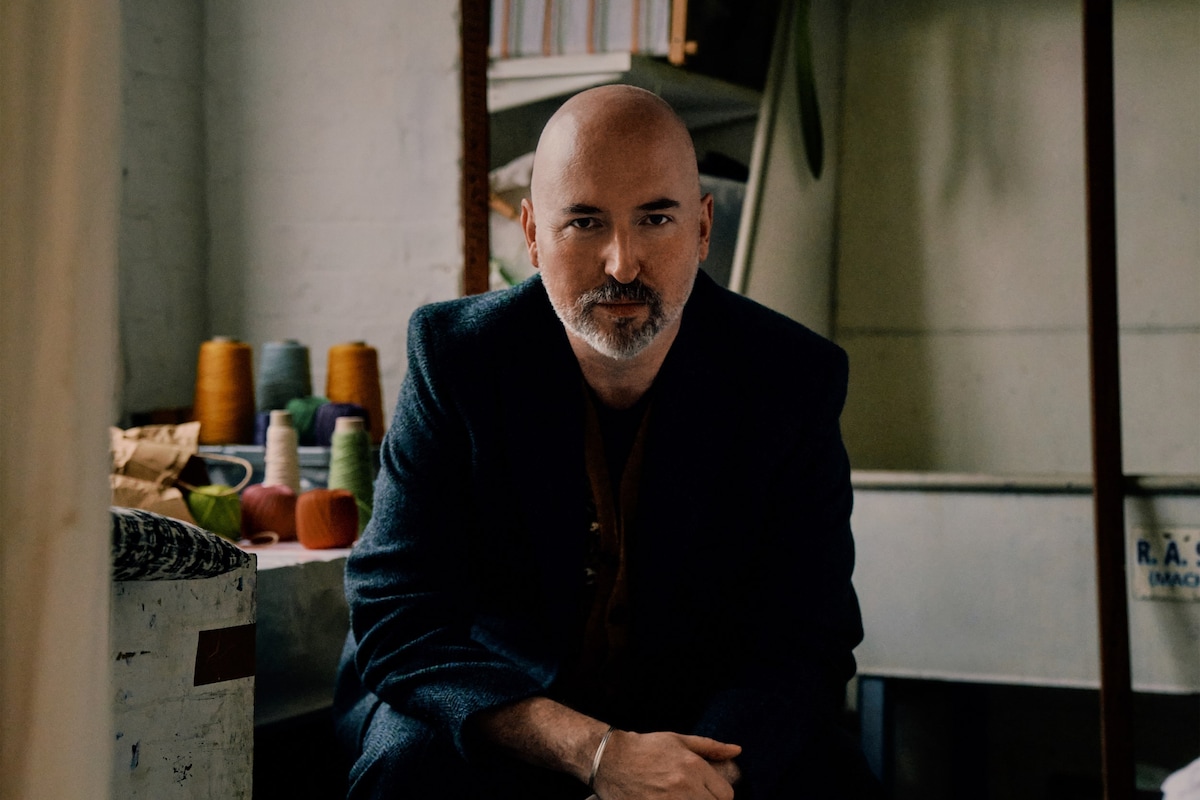
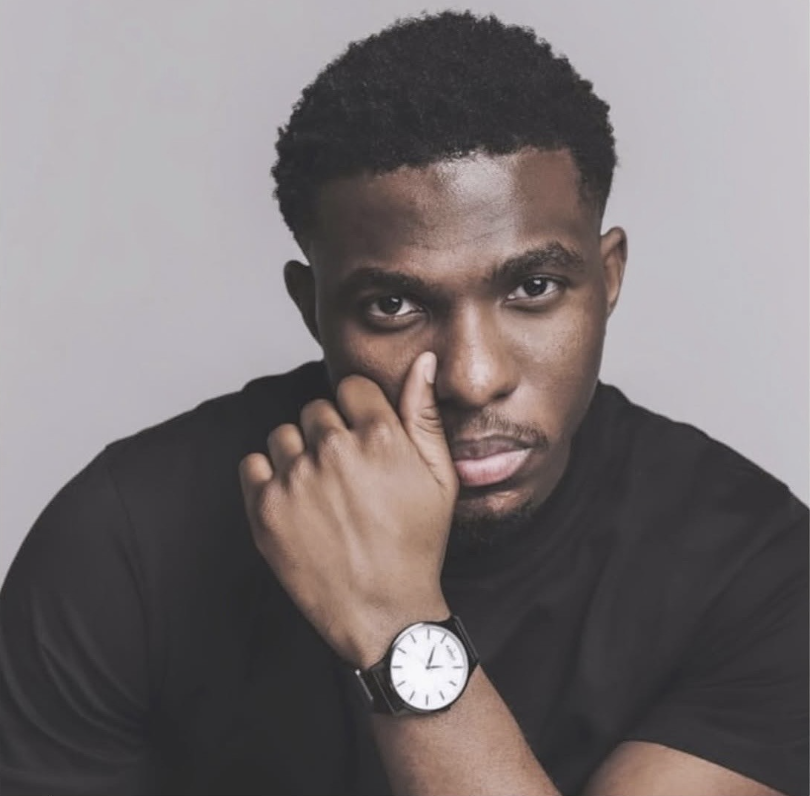
Behind the viral moment, the applause, and the features in Vogue and the New York Times, there is a man. A man who had a vision and understood exactly when to deploy it, because he understood something most designers spend careers trying to learn: that fashion and timing are the same discipline. Ladies and gentlemen, Alvin Junior Mak.
The Man Behind the Designs
Alvin Junior Mak is a Congolese fashion designer and the founder of JMAK x PARIS, an independent label that carries both of his worlds in the name and in every collection he makes. Born in Congo and raised in Paris, those two different atmospheres are not a tension in his work but its engine: French minimalism meeting Congolese boldness, the clean line meeting the loaded symbol. Beyond being a designer, he is a visionary, one who treats clothing as a tool for communication, for storytelling, for reshaping how a nation is perceived.
His vision did not arrive fully formed. The first time FECOFA, the Fédération Congolaise de Football Association, commissioned him to dress the Leopards, it was for the Africa Cup of Nations, and he delivered custom leopard-print shirts with braided shoulders — simple, captivating designs that planted a seed. The World Cup commission was the harvest. Alvin seized the platform because he understood what was sitting underneath it: this was the Leopards’ first World Cup appearance in 52 years. A 52-year absence demands more than a kit. It demands a statement.
The looks he produced were not fashion for fashion’s sake. They were Congolese cultural history made wearable, condensed into garments that could walk through an airport in Houston and make the world ask questions it did not know it needed to ask. He designed looks that will remain in visual archives and cultural memory, proving that fashion has always been one of the most powerful tools for representation, and one of the most underestimated. It was important to acknowledge the man behind the viral moment, because fashion too often rewards the garment and forgets the mastermind behind it. We praise the result while erasing the motor. Without Alvin’s vision, a vision focused on reshaping the image and perception of Congo as it is portrayed to the world, these looks would not exist. And he did not miss a point.
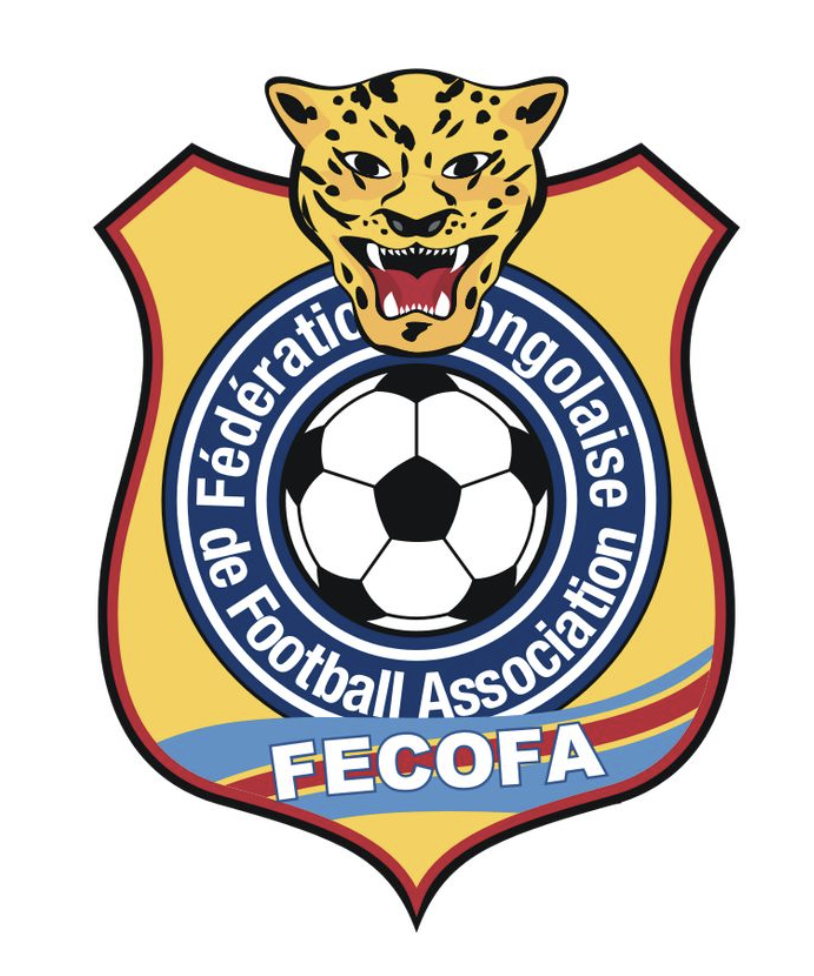
The FECOFA emblem. The leopard has been central to Congolese national identity since Mobutu’s authenticity campaign in the 1970s. (Photo: FECOFA)
The Leopard Print: Symbolism and Identity
The leopard print is not a trend in Congolese culture. It is not borrowed, not seasonal, not recently discovered by a Western fashion house and credited to no one. It is woven into the national identity with a history precise enough to trace back through decades of politics, ceremony, and symbol-making.
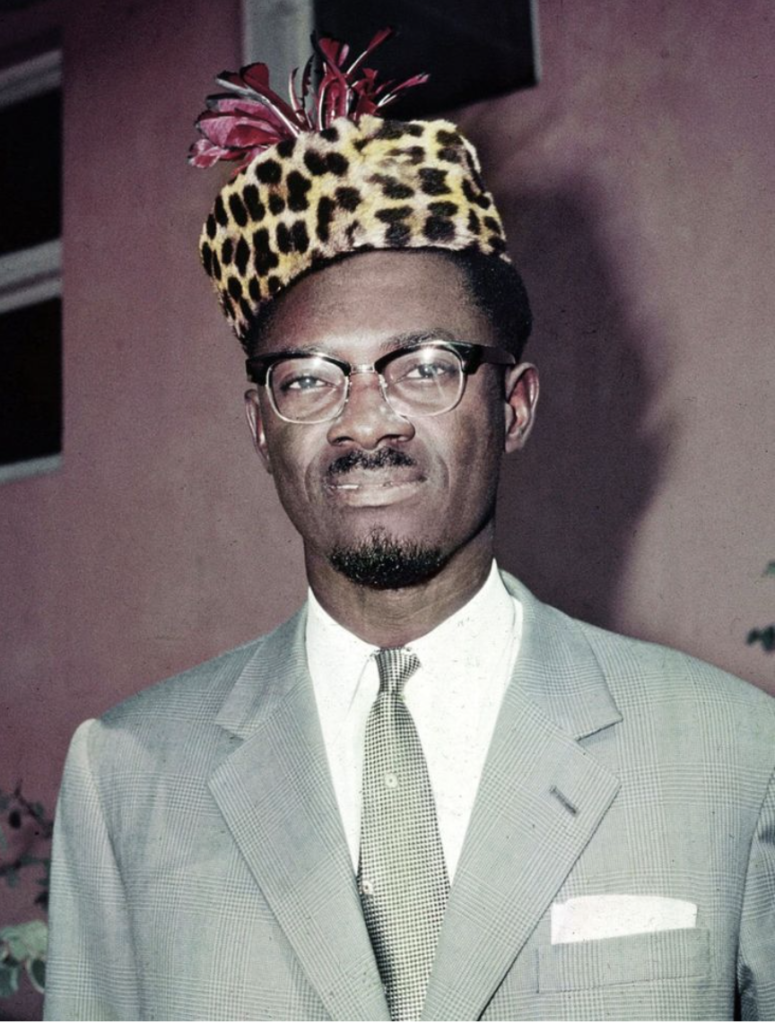
From the Mobutu Sese Seko era of the 1970s, when Mobutu launched his authenticity campaign to remove European cultural influences from Congolese life and replace them with African roots, the leopard print became embedded in national iconography. Mobutu wore the leopard-skin toque to official meetings and major events. He traded Western suits for the abacost, the traditional collarless shirt. The leopard became a symbol of Congolese power: bravery, royalty, leadership, resilience, compressed into a single animal motif that the nation had already been claiming for centuries.
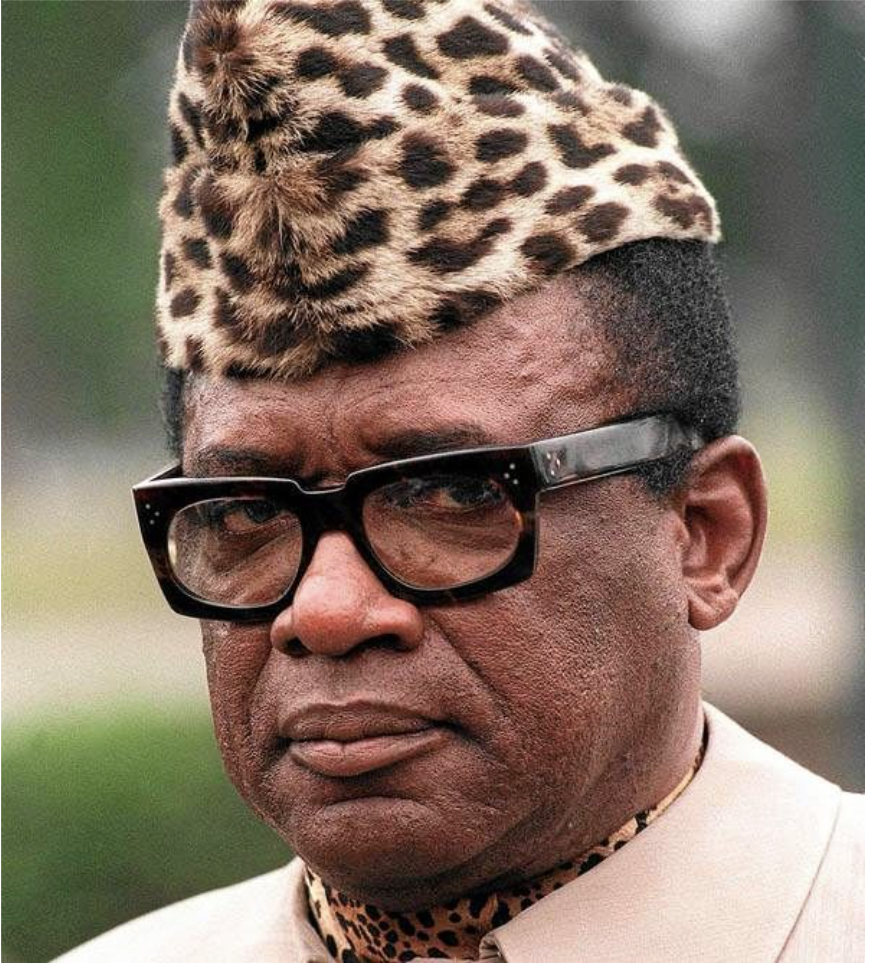
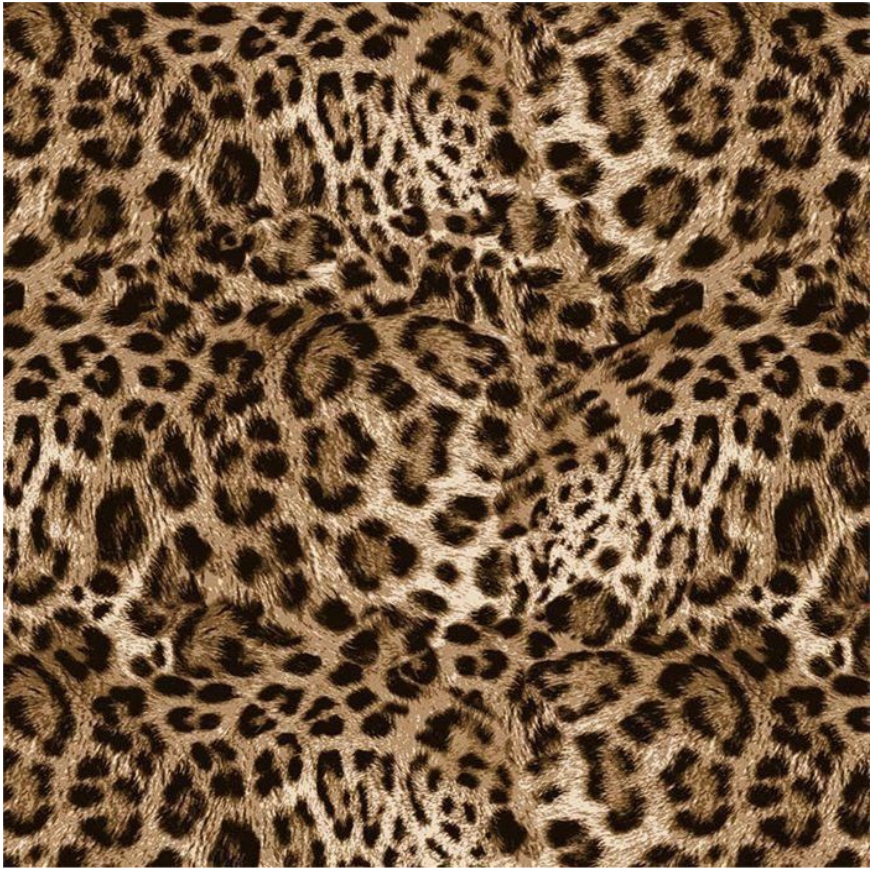
The leopard print appears on the national Congolese passport, on the country’s emblem as a leopard head, and has long been the nickname for the national football team itself. When Alvin placed the print on those sashes, he was not making a fashion reference. He was citing a national archive that every Congolese person in that Houston airport, and every Congolese person watching on a screen, recognised immediately and completely. For anyone still wondering what the connection is between leopard print and Congo: it is more than decoration. It is identity, chosen from a place of authenticity, not colonial heritage.
“A simple print recalls a nation’s history, reminding us that a garment holds power — and that power comes from what people decide to do with it.”
Mixed Heritage, Woven Together
The tuxedo, to be precise about its origins, is a product of European fashion history that Congolese sapeurs transformed into something entirely their own through the culture of la sapologie — the Congolese art of elegant dressing that carries its own history, its own codes, and its own philosophy about what it means to dress with intention in a country where elegance has often been an act of resistance.
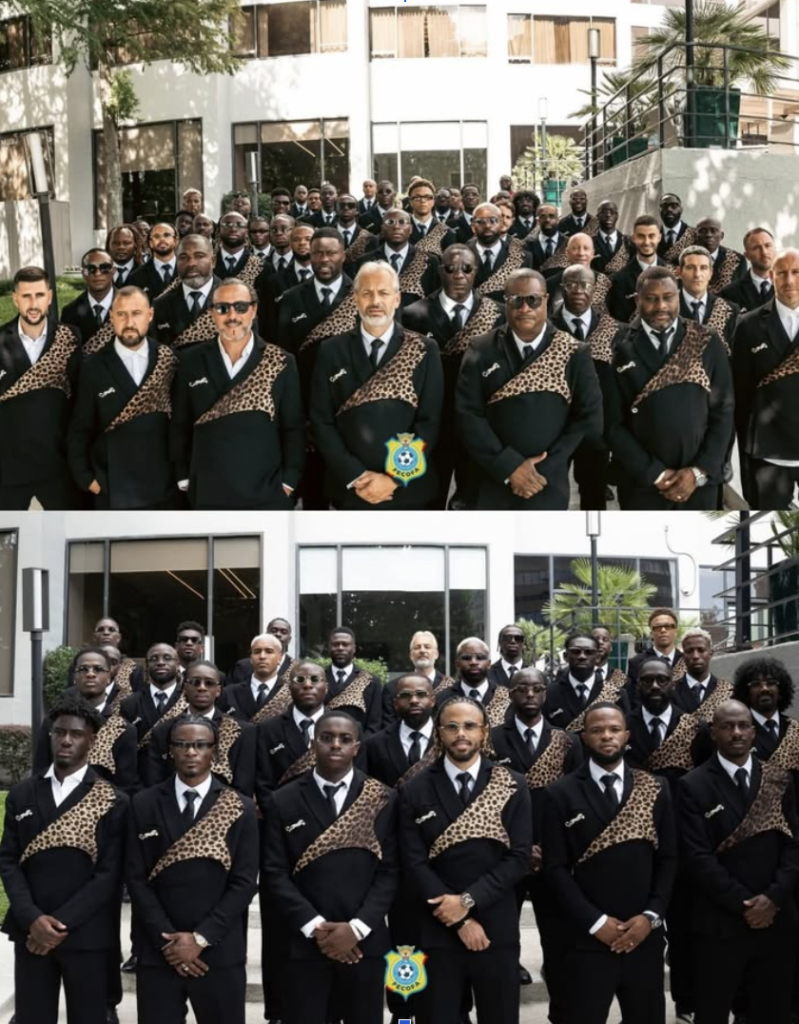
Alvin’s design decision was to hold both the tuxedo and the leopard print in the same look, without allowing one to dominate or explain away the other. The tuxedo arrived through colonial history. The leopard print predates that history and survives it. Together, they do not create a contradiction. They create a portrait of how Congolese culture actually exists: layered, multivalent, carrying its own history while absorbing and remaking what has arrived from outside. He did not choose between refinement and heritage. He showed they were never separate choices.
What really stood out was Alvin’s ability to bring together two powerful expressions of Congolese identity without allowing one to overshadow the other. In doing so, he transformed a football arrival into a celebration of a nation, represented with accuracy, pride, and full intention. Congo is known internationally for la sape. Alvin added one more accent — a leopard-print sash that changed the register of everything it touched. That is not a small design decision. That is a curatorial statement about what a nation looks like to the world, made at a moment when the world was watching.
A Contribution to Congolese Culture
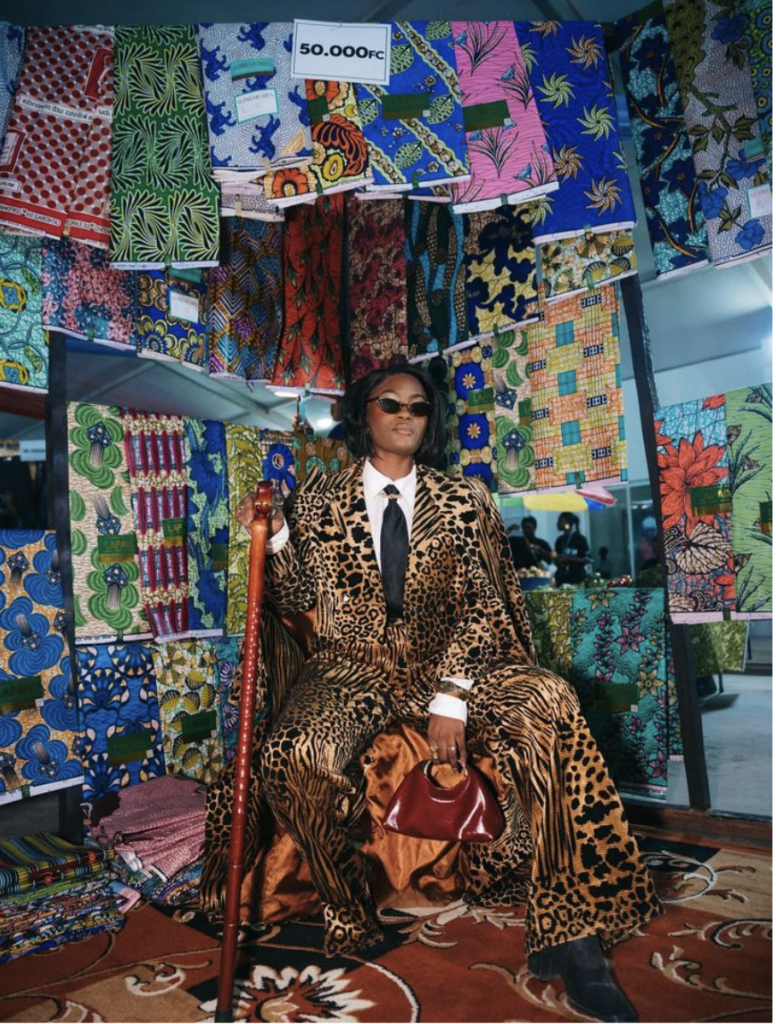
The moment was powerful in its symbolism. Quietly and more slowly, it was also a contribution to infrastructure. FECOFA could have commissioned the Leopards’ outfits from a label in Paris or Milan. The commission went to a Congolese designer who worked with local artisans, highlighting craftsmanship that might otherwise have remained invisible to the international audience now paying attention to it. Moments like this do not exist in isolation. They build archives. They strengthen visibility. They help a fashion ecosystem understand what it is capable of when given the platform.
Vogue covered it. The New York Times covered it. Fashion journalists who had never written the words Congolese fashion before were suddenly writing them. The moment created an entry point into a conversation about Congolese creative culture that a gallery show or a runway presentation or a magazine feature would not have opened the same way, because sport reaches audiences that none of those formats reliably reach, and it does it in real time, globally, with an emotional charge already loaded from the game itself.
“From now on, Congo will be known fashion-wise not only for la sape — it will be known for creativity, craftsmanship, and blending heritage through our own creators.”
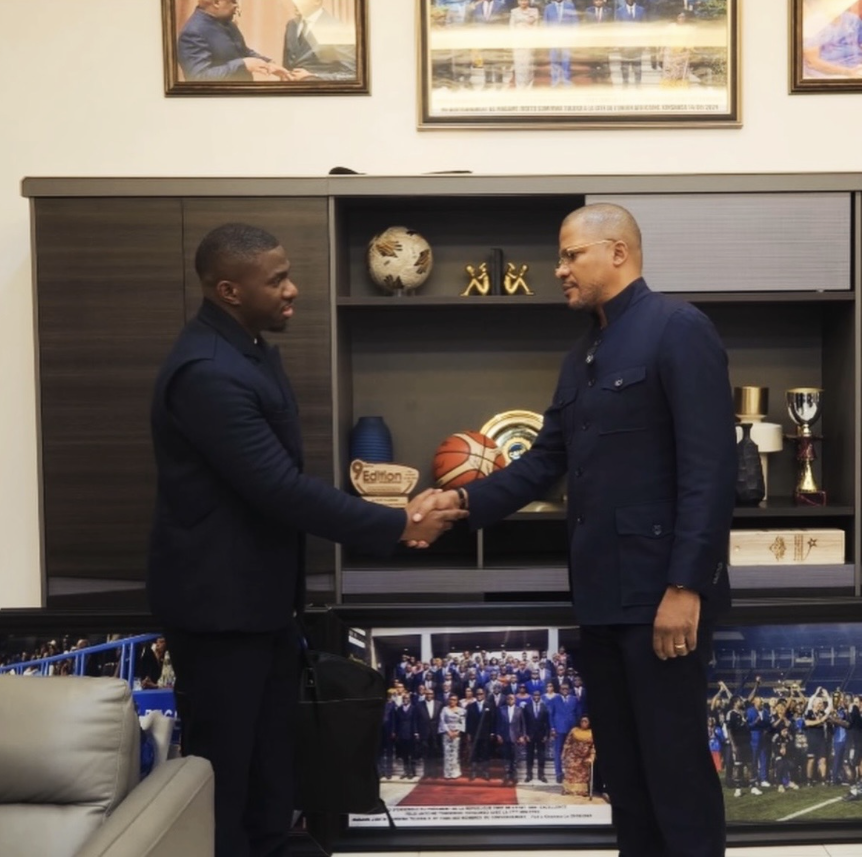
What Alvin Mak built in Houston was not only a viral moment, though the reach was significant and the moment was real. He built a piece of visual archive that will be referenced when people write the history of Congolese fashion, alongside the sapeurs, alongside the Leopards’ 1974 World Cup appearance, alongside every Congolese designer who has tried to translate the depth of that culture into a form the world could hold and recognise.
The clothes were layered in intention and a clear vision of rewriting the narrative. This event will not be remembered only for the elegance of the outfits or their visual impact, but for the man behind the vision and how he reshaped the way Congolese heritage and culture will be perceived on the international stage — less as something observed from a distance, more as something authored, styled, and asserted with purpose. It is a reminder of how essential visionaries are to a country’s cultural and international development: those who understand how to translate identity into imagery and imagery into influence.
— Alvin Junior Mak, JMAK x PARIS
Fashion remains one of the most powerful tools of communication that communities have ever had. Alvin Junior Mak used it the way it was always meant to be used: with knowledge of what it carries, clarity about what he wanted to say, and the craftsmanship to make the two meet in a garment someone would wear into the world and refuse to be invisible in.
Images sourced from FECOFA official pages and Pinterest. All rights belong to respective owners.