GTBoard, Geology sign framework agreement to safeguard TDA resources
Speaking at the signing ceremony, officials explained that while the GTBoard is responsible for managing the TDA, the Department of Geology oversees natural resources found within the area. This has made close collaboration necessary to ensure that land earmarked for tourism development is not simultaneously licensed for mining activities. They noted that the framework agreement was developed after weeks of consultations and technical discussions involving the two institutions and their respective ministries. Director General of the Gambia Tourism Board, Ida Jeng Njie, described the signing as a significant milestone and the first formal agreement between the GTBoard and the Department of Geology. “Our gem, which is the TDA, is where your gem is. We share the same resource, and as government institutions, we must ensure that investors are provided with a conducive environment,” she said. Mrs. Jeng Njie added that the agreement would boost investor confidence and streamline bureaucratic processes. She disclosed that a joint committee would be established to serve as a one-stop platform for investors, reducing the need for them to move between different institutions to address their concerns. She commended the ministries of Tourism, Arts and Culture, and Petroleum, Energy, and Mines for facilitating the initiative, describing the collaboration as an example that other sectors should emulate. Alieu Jawo, the Director of the Department of Geology, praised the growing partnership between the two institutions and thanked the GTBoard for fostering a strong working relationship throughout the drafting process. He acknowledged that in the past, both institutions operated independently, with mining licences and tourism allocations sometimes processed without consultation. “In The Gambia, most of our mineral deposits are located along the coast, which is also prime land for tourism development. Therefore, managing these resources in a win-win situation is very important,” he said. He noted that the agreement would ensure both institutions are fully informed about each other’s activities, enabling them to jointly plan and manage coastal resources more effectively. Officials from both ministries, including senior government representatives and technical staff, attended the ceremony. They commended the teams involved for completing the framework agreement within a short period and expressed optimism that the same spirit of cooperation would continue during its implementation.
 Black News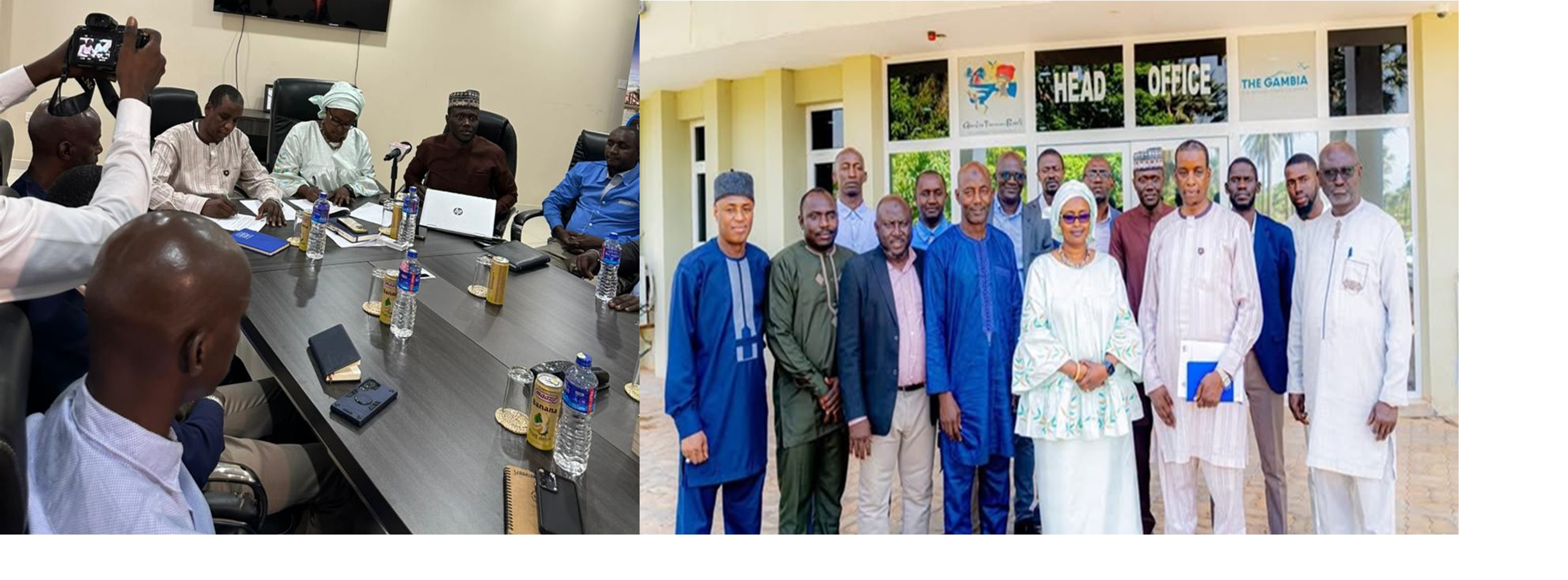
Speaking at the signing ceremony, officials explained that while the GTBoard is responsible for managing the TDA, the Department of Geology oversees natural resources found within the area. This has made close collaboration necessary to ensure that land earmarked for tourism development is not simultaneously licensed for mining activities.
They noted that the framework agreement was developed after weeks of consultations and technical discussions involving the two institutions and their respective ministries.
Director General of the Gambia Tourism Board, Ida Jeng Njie, described the signing as a significant milestone and the first formal agreement between the GTBoard and the Department of Geology.
“Our gem, which is the TDA, is where your gem is. We share the same resource, and as government institutions, we must ensure that investors are provided with a conducive environment,” she said.
Mrs. Jeng Njie added that the agreement would boost investor confidence and streamline bureaucratic processes. She disclosed that a joint committee would be established to serve as a one-stop platform for investors, reducing the need for them to move between different institutions to address their concerns.
She commended the ministries of Tourism, Arts and Culture, and Petroleum, Energy, and Mines for facilitating the initiative, describing the collaboration as an example that other sectors should emulate.
Alieu Jawo, the Director of the Department of Geology, praised the growing partnership between the two institutions and thanked the GTBoard for fostering a strong working relationship throughout the drafting process.
He acknowledged that in the past, both institutions operated independently, with mining licences and tourism allocations sometimes processed without consultation.
“In The Gambia, most of our mineral deposits are located along the coast, which is also prime land for tourism development. Therefore, managing these resources in a win-win situation is very important,” he said.
He noted that the agreement would ensure both institutions are fully informed about each other’s activities, enabling them to jointly plan and manage coastal resources more effectively.
Officials from both ministries, including senior government representatives and technical staff, attended the ceremony. They commended the teams involved for completing the framework agreement within a short period and expressed optimism that the same spirit of cooperation would continue during its implementation.