Lucky Star, Amawandle shutdown rattles South African workers
Left with no resolution or way forward, local workers of two canning factories are at their wits’ end. The news that Lucky Star and Amawandle will close at the end of June is a hard pill to swallow for many households. With the possibility of being without work for about six to eight months and […] The post Lucky Star, Amawandle shutdown rattles South African workers appeared first on The Namibian.
 Black News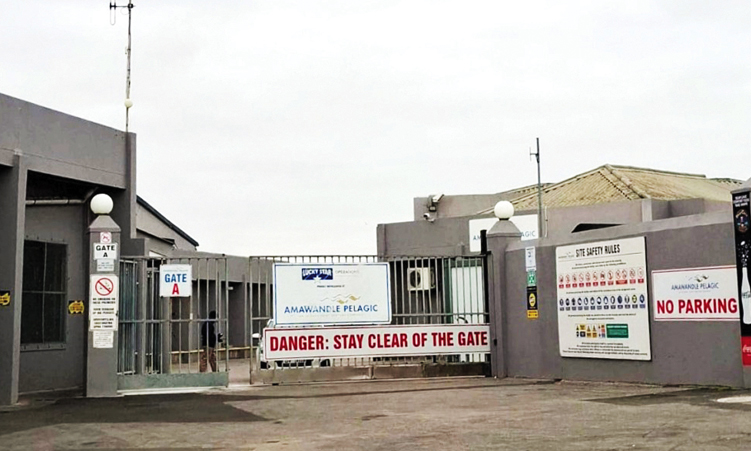
Left with no resolution or way forward, local workers of two canning factories are at their wits’ end. The news that Lucky Star and Amawandle will close at the end of June is a hard pill to swallow for many households.
With the possibility of being without work for about six to eight months and no income during this time, workers have no idea how they will survive or provide for their families.
The main concern for one employee, who has dedicated 30 years of her life to Lucky Star, is how she will provide for her children, pay her bills and put food on the table.
“We closed last September and we did not receive any extra money to carry us through the months, nor did we get our bonus. And once again, we are not receiving anything.”
Another employee, who has worked at Lucky Star for 16 years, says she was shocked by the news and the closing date is much earlier than expected.
“What can we do? What can I say? The company isn’t giving us anything extra to take care of our children and families. What about our plans and things we need to take care of? I feel this is short notice. How are we going to survive at this time? This is so difficult and it is killing us.”
According to South Africa’s Food and Allied Workers Union (Fawu), which represents these workers, it had reached out to minister of forestry, fisheries and the environment Willie Aucamp earlier this year about possibly coming up with some form of redress-related intervention in an industry in crisis.
In a letter addressed to the minister, Fawu says there is an urgent need for value-chain analysis to be conducted for each commercial species to improve the overall fisheries sector’s economic contribution to gross domestic product and employment to accurately inform policy.
The union says state decision-makers were responsible for allocating fishing rights regarding the economic nature, viability, and value of fishing rights to be allocated.
“Any union worth its weight in salt, and certainly Fawu, would jealously guard the job security of its members, and employed workers especially,” the union states. “The sustainability of jobs and job security are at the centre of our approach at a time when challenges are faced by the country.”
The Oceana Group has confirmed the temporary consolidation of its two canning factories on the West Coast due to challenges with fish supply. The Amawandle facility at Laaiplek has temporarily shifted its operations to Lucky Star in St Helena Bay, with employees transported between the two facilities.
According to Oceana Group communications manager Rolf Carelse, the situation is challenging as the full quota of fresh pelagic fish for the year has already been caught, and the company is struggling to secure sufficient imported frozen fish.
“We have approached the department of fisheries and environment regarding possible additional quotas to ease the situation within the limits of optimal, ecologically sustainable use,” he says.
IMPORT FROZEN
Procurement teams are working hard to secure sufficient frozen products. According to the company, no employees, including permanent, contract and seasonal workers, will be affected.
“This decision was made to protect jobs and ensure that our employees can continue earning a living,” Carelse explains.
“Our focus is to do everything in our power to keep our facilities operational and ensure that our employees can continue to make a living,” he adds.
Oceana acknowledges the critical role its operations play in the Laaiplek and Velddrif communities.
The two canning factories involved both require large quantities of fresh and frozen pelagic fish to remain operational throughout the year. They are also the largest employers in both towns and carry a significant social responsibility.
“It is our priority to procure fish for our operations urgently,” Carelse says. – Weslander.co.za
The post Lucky Star, Amawandle shutdown rattles South African workers appeared first on The Namibian.








.jpeg?width=1200&auto=webp&crop=3:2#)
.png?h=c12e0b96&itok=5DLPGmQb#)