Namibia targets 11% marine protection
Namibia has set a target to increase its protected marine areas from 1.7% to 11% by 2030. Minister of agriculture, fisheries, water and land reform Inge Zaamwani on Monday told the Commonwealth Ocean Ministers Roundtable in Mombasa, Kenya, that Namibia is working to improve its management of ocean resources and expand the protection of its […] The post Namibia targets 11% marine protection appeared first on The Namibian.
 Black News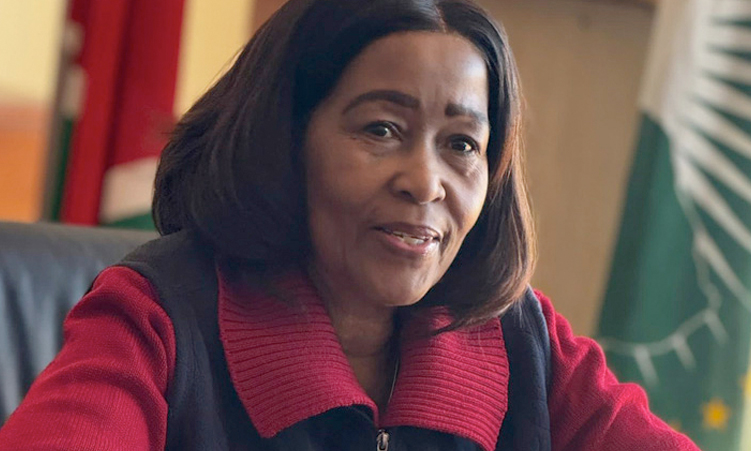
Namibia has set a target to increase its protected marine areas from 1.7% to 11% by 2030.
Minister of agriculture, fisheries, water and land reform Inge Zaamwani on Monday told the Commonwealth Ocean Ministers Roundtable in Mombasa, Kenya, that Namibia is working to improve its management of ocean resources and expand the protection of its marine ecosystems.
“Our ocean is central to our food security, livelihoods and economic development,” she said.
She said the country is applying ecosystem-based management in fisheries, including catch limits, gear restrictions, closed seasons, by-catch controls and the monitoring of fish stocks. Zaamwani said aquaculture, including mariculture, is being developed as captured fisheries reach peak production levels.
Namibia’s protected marine areas currently cover 1.7%, while terrestrial protected areas stand at 39.9%.
The government has aligned its target with the global goal of protecting at least 30% of land and sea areas by 2030.
The Namibian Islands’ Marine Protected Area, declared in 2009, is under review. The government is updating its management plan and regulations.
“We have identified ecologically or biologically significant marine areas and are progressing towards declaring some as protected areas,” Zaamwani said.
She said Namibia is also developing a marine spatial management plan for its exclusive economic zone.
The plan will guide the use of ocean space for fishing, transport, conservation and energy activities.
Zaamwani said oceans are under pressure from illegal fishing, pollution and climate change.
“These challenges require urgent and collective global action,” she said.
Namibia is considering whether to accede to the Biodiversity Beyond National Jurisdiction agreement, saying it is assessing its capacity and obligations before joining.
Namibia is a party to the United Nations Convention on the Law of the Sea.
Meanwhile, a motion calling for scrutiny of the fishing quota allocation system amid concerns about fairness and transparency in the sector was tabled in parliament on Wednesday.
The motion was brought by Swapo member of parliament Salomon April and received backing from opposition parties.
Concerns were raised about how fishing quotas are allocated and who benefits from Namibia’s marine resources.
The debate comes amid criticism of the fishing industry over declining fish stocks, quota allocation methods and political influence in the sector.
Opposition parliamentarians supported the motion, with some reacting in the chamber to the call for scrutinising the system.
There are also concerns over shrinking total allowable catches, job losses and rising fish prices.
The post Namibia targets 11% marine protection appeared first on The Namibian.