Posture matters: how we stand, communicate and engage
Kerrie Dorman explores how posture shapes first impressions, influences trust and defines leadership presence in the workplace, and offers practical steps to become more conscious of how we physically show up The post Posture matters: how we stand, communicate and engage appeared first on Elite Business Magazine.
 Black News
Why does posture have an impact in the workplace or any place, for that matter? Leaving the health benefits aside, as we all know, a decent posture prevents issues later in life, I was intrigued recently as to the effect of our stance in the workplace. Fuelled by both daughters pulling back my shoulders on holiday this summer, my reflections on what little tricks I could embrace to better my own led me to research the part it plays at work. For everyone.
There is a very close link between posture and body language, and much of the research blends them, referring to ‘nonverbal demeanour’; however, I am keen to stick simply to posture and how we can use it to communicate and engage as well as, of course, create presence.
Why do we notice someone’s physical presence before they have said anything?
Posture helps to shape our perceptions. Almost immediately. It defines impressions, and first impressions take time to alter. Bias is set, which directs our approach in manner and conversation. Research into first impressions and “thin slices” of behaviour suggests that remarkably little information influences how we perceive another person.
We can appear open and engaging, standing tall and relaxed, dressed with a happy expression, looking to engage with others in a room. We can turn standing tall into an appearance of foreboding and closedness.
Posture can signal openness, confidence, defensiveness and authority
I have witnessed small circles of senior management at company parties and off-sites, forming a closed group, impenetrable, laced with disinterest and in arrogance, which struck me as the opposite of the overall intent.
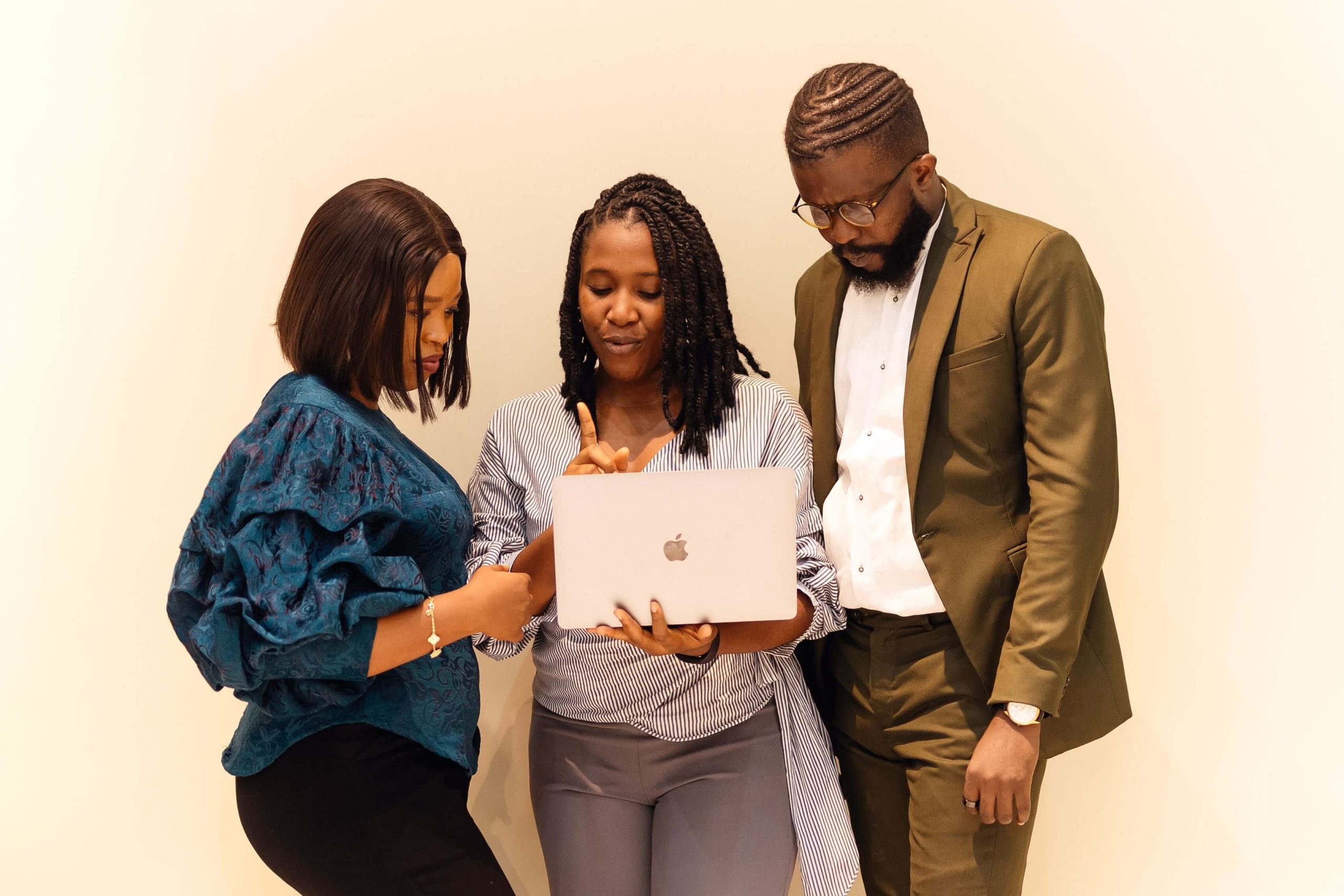
Physical presence can influence participation, trust and psychological dynamics in a room. Shy, underconfident colleagues often appear to shrink into their seats in the dread that they will be asked a question or be required to engage, whereas those who lean forward, appearing confident, will invite engagement regardless of whether they are actually that, or maybe they are simply comfortable in that position.
Posture is not just about how we look. It’s part of how we communicate.
Confident posture is not necessarily the same as good leadership or eagerness. An overly dominant presence can discourage people from speaking. How we physically show up influences how others respond to us and how we create an environment where interaction between everyone else in the room is encouraged.
Some practical reflection
How are you turning up, and what should we become more conscious of when walking into a meeting, sitting opposite someone, or listening to an employee? Going back to my holiday, I honestly was not aware of slouching before the gentle tweaks to my shoulders. What else am I not aware of, I wonder?
This leads me to remember a quote that has stuck with me over the ten years since I heard it, which has given me a boost before tricky meetings and talking to large audiences.
Head up. Be Proud. Believe. Are the words Bianca Sainty scripted on a banner at mile 15 of her first marathon, chosen by the organisers. At first glance, they are simply words of encouragement to a tired runner. But there is something interesting about the first two words: head up.
Long before we talk about confidence, leadership or presence, our physical posture can communicate something about how we feel – and influence how others perceive us.
How do you think your posture is perceived?
Sources: Science Direct, Bianca Sainty.
The post Posture matters: how we stand, communicate and engage appeared first on Elite Business Magazine.