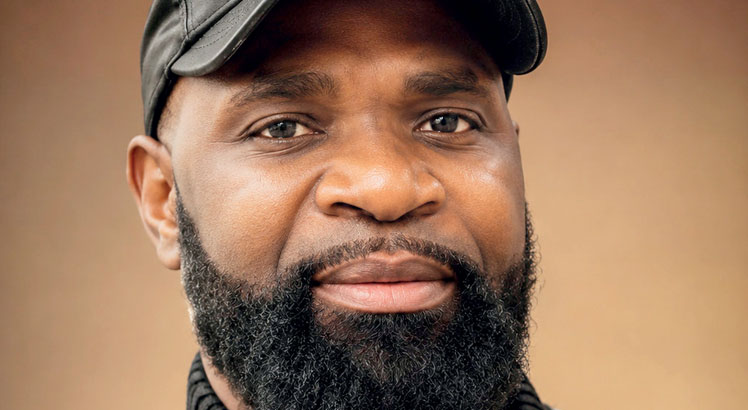
Sa’diyo Bajaaj: Somalia court sentences activist to 3 years in prison
MOGADISHU (Somaliguardian) – Banadir regional court in Somalia’s capital, Mogadishu, on Thursday sentenced young female activist and Tuktuk driver Sa’diyo Moalim Ali, widely known as Sa’diyo Bajaaj, to three years in prison in a ruling that critics have described as politically motivated. The verdict was delivered after Sa’diyo spent more than 70 days in detention […]
 Black News

MOGADISHU (Somaliguardian) – Banadir regional court in Somalia’s capital, Mogadishu, on Thursday sentenced young female activist and Tuktuk driver Sa’diyo Moalim Ali, widely known as Sa’diyo Bajaaj, to three years in prison in a ruling that critics have described as politically motivated.
The verdict was delivered after Sa’diyo spent more than 70 days in detention and appeared before the Banadir regional court earlier this week. During the hearing, the judge publicly questioned her on multiple issues, an exchange that critics said reflected broader concerns about the handling of politically sensitive cases in Somalia.
In a ruling issued behind closed doors, the court said it found Sa’diyo guilty on some of the charges brought by prosecutors, including public incitement and defamation against leaders and state institutions.
Sa’diyo rose to prominence through her advocacy on behalf of Tuktuk drivers, a profession relied upon by thousands of Somali youths who have struggled to find alternative employment despite completing secondary school and university education. Through public statements and social media activity, she frequently highlighted challenges facing the Tuktuk community, including poor road conditions, what she described as excessive road taxation, and rising fuel prices.
More recently, she was seen attending opposition gatherings and expressing dissenting political views, actions that critics say angered authorities and contributed to her arrest and eventual conviction.
Last month, Britain’s Guardian newspaper reported that Sa’diyo Bajaaj was stripped naked by two male guards in a CCTV-monitored room, kicked, beaten with a baton, and left in a small cell without food for two days. Sa’diyo repeated those allegations before the court during this week’s proceedings, but her complaints were not acted upon.
Critics argue that the length of Sa’diyo’s detention and the severity of her sentence were influenced by clan dynamics. They contend that she comes from a small marginalized clan, while other young people who publicly expressed similar views were released shortly after arrest because they belonged to powerful Hawiye clans with significant influence in Mogadishu and within state institutions.
According to critics, the remarks for which Sa’diyo was prosecuted would be considered protected speech in many democratic societies and did not warrant such a lengthy prison sentence. They note that Somali authorities frequently describe the country’s political system as democratic, while Western donors have invested billions of dollars in state-building efforts that include promoting civil liberties and freedom of expression.
The case has renewed debate about judicial independence in Somalia. The country’s judiciary has long faced accusations of lacking independence from the executive branch and of issuing decisions under political pressure in politically sensitive cases. Such allegations have contributed to declining public confidence in the justice system, particularly in the Banadir regional court, which critics describe as a legal instrument used against political opponents and individuals expressing dissenting views.
The sentencing of Sa’diyo Bajaaj is likely to intensify scrutiny of freedom of expression, judicial independence, political dissent, and human rights in Somalia, issues that remain at the center of ongoing debate in Mogadishu and across the country.
Contact us: info@somaliguardian.com