South Africa saves 234-year-old Post Office from collapse after cutting 4,300 jobs
South Africa’s national postal operator is preparing to exit business rescue proceedings nearly two years after entering a restructuring process that many feared would end in liquidation.
 Black News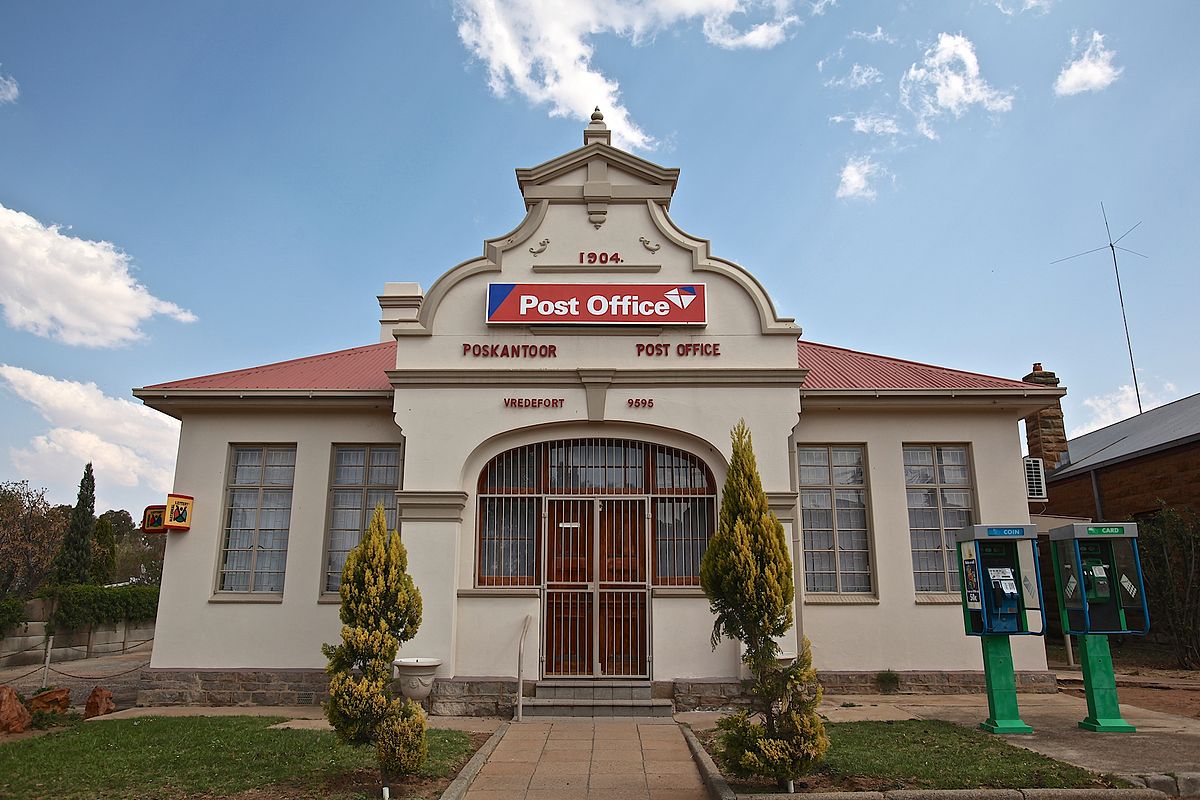
![South African Post Office emerges from rescue after slashing debt by $484 million. [African Liberty]](https://ocdn.eu/pulscms/MDA_/23da5814e09078ed582aba385254e906.jpeg)
South Africa’s national postal operator is preparing to exit business rescue proceedings nearly two years after entering a restructuring process that many feared would end in liquidation.
- South Africa’s national postal operator is preparing to exit business rescue after nearly two years of restructuring.
- The turnaround included more than 4,300 job cuts and the closure of over 350 branches nationwide.
- The Post Office reduced debt by about 95% and returned to technical solvency after years of losses.
- However, key digital modernisation plans remain unfunded, raising questions about its long-term future.
The South African Post Office (SAPO), one of the country’s oldest public institutions, has asked a court to formally end its business rescue programme after reducing debt, cutting costs and restoring technical solvency following years of financial decline.
The move marks a significant turnaround for a state-owned enterprise that had become a symbol of South Africa’s broader governance and public sector challenges.
Although the rescue came at a heavy price. More than 4,300 employees lost their jobs, while over 350 branches were shut as administrators sought to stabilise the organisation’s finances.
The restructuring reduced monthly wage costs by roughly half and helped the Post Office slash creditor obligations from about $484 million (R8.7 billion) to $24.5 million (R440 million). More than 99% of approved creditors have already been paid under the rescue plan.
The financial picture have since improved. According to SAPO, revenue reached about $85.8 million (R1.54 billion) in the year ended March 2026, while its net loss narrowed to $4 million (R71 million) from nearly $28.6 million (R514 million) a year earlier.
The organisation’s balance sheet has also moved from a negative net asset position of about $440 million (R7.9 billion) to a positive $46.8 million (R840 million), making it technically solvent once again.
The turnaround is notable because only months ago the organisation appeared to be heading in the opposite direction.
Business rescue practitioners had warned earlier this year that the Post Office could face liquidation if additional government funding was not secured.
South Africa’s Treasury did not release a planned second funding tranche of about $211 million (R3.8 billion), which was intended to finance technology upgrades, infrastructure improvements and new growth initiatives. The funding shortfall forced SAPO to scale back several elements of its recovery plan.
The new board, whose tenure begins later this month, will inherit responsibility for modernising the institution and finding new revenue streams in an increasingly digital economy.
Acting chief executive Fathima Gany said management will focus on partnerships, property monetisation and revenue diversification as the organisation transitions back to normal governance.
Why this matters
The Post Office’s recovery highlights a challenge facing postal operators worldwide.Traditional mail volumes have been shrinking for years as consumers and businesses shift to digital communication.
At the same time, state-owned postal services are facing growing competition from private logistics and courier companies that dominate the booming e-commerce market.
For South Africa, the stakes are particularly high because the Post Office remains an important service provider in rural and underserved communities where access to government and financial services is often limited.
Policymakers have repeatedly argued that preserving the institution is necessary for financial inclusion and public service delivery, even as critics question whether repeated government support can produce a sustainable business model.