Stateless’: The politician disowned by South Sudan and Uganda
 Mai Gail

The Juba-born politician and activist is fighting for her position in parliament, her citizenship and her life.
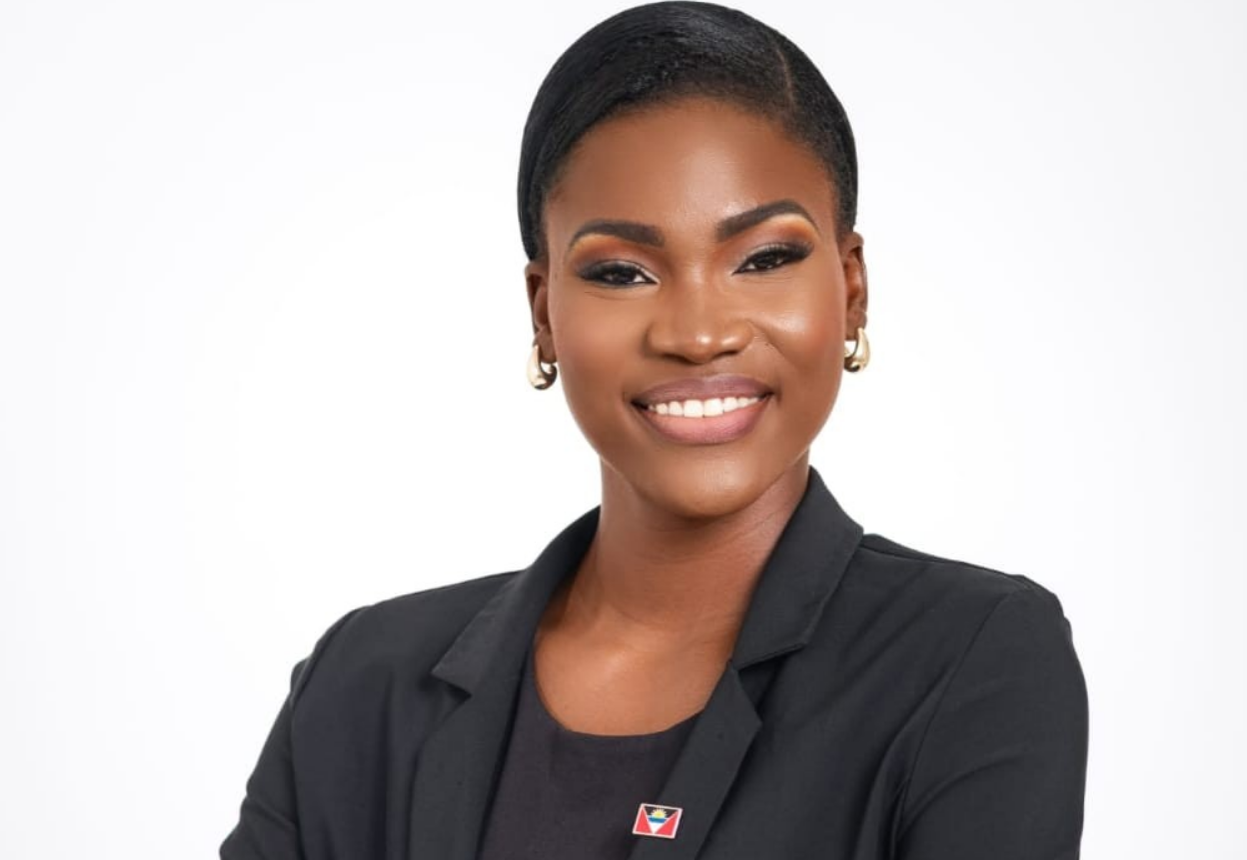
Its been two months in detention for the 38-year-old youth activist and politician Animu Athiei in South Sudan who On December 22, 2021, was leaving a café at the airport road of the South Sudanese capital Juba when members of the country’s secret police whisked her into their van and told her that she was under investigation but gave no more details as she was transfered from one prison to another without being registered as a prisoner as she confirmed . Only to hand her over to the immigration police who kept her in custody with accusations of having obtained a fake passport. A crime punishable by law for up to seven years in prison upon conviction.
In her words, “It was the most frightening experience I have ever gone through,” Athiei told Al Jazeera. “I was arrested without being told why, continually detained without contact to my family and lawyer. The fact that it was done in broad daylight without a flinch from bystanders scared me even more.”
On February 17, Athiei was released on bail after repeated cries about her deteriorating health by her lawyer Philip Anyang and human rights organisations. Since then, she has been at the Juba Teaching Hospital, undergoing treatment for a severe lower abdominal pain she first felt on January 31.
Born in Juba just a few months after the May 1983 outbreak of civil war, Athiei and her family escaped to neighbouring Uganda the next year. She returned to the city of her birth only after the signing of the peace agreement between the Sudanese government and the SPLM, which metamorphosed into the South Sudanese elite.
Athiei belongs to a minority ethnic group called Keliko, indigenous to South Sudan, Uganda and the Democratic Republic of the Congo. The Keliko are mostly Christian by tradition, but she was born to a Muslim couple.
First in Sudan and now in an independent Southern Sudan, the Keliko are always subject to discrimination. Athiei said she is often described as not being true South Sudanese by immigration authorities and other security forces who routinely harass her whenever she has to travel.
The Keliko are also noticeably shorter and slightly lighter in complexion than the Dinka
the ethnicity of most of the elite who have run the country since independence. So her appearance has provoked questions too. “They would ask me about my blood relatives and stuff like that,” she said.
Once, her passport ran out of pages and she needed to travel. The document was confiscated and no replacement was authorised. Instead, she got a temporary travel certificate, which “only gives you some limited options as not all countries accept that”.
Athiei began work with public service in 2016. She began, as a speechwriter for then-Vice President Taban Deng Gai. But was forced to resign her appointment after two years after trolls online and offline would always describe her as non-South Sudanese.
, When President Salva Kiir named 550 parliamentarians, as one of the conditions of the 2018 peace deal in Last year May, Athiei was one of them, representing women of the Central Equatorial State on one of the 30 seats that went to the Other Political Parties (OPP) opposition coalition.
Within a week, Kiir withdrew her appointment from parliament following another round of continous criticism online and offline with many accusing her of being a Ugandan citizen.
In Athei's words, “Nobody seemed to be actually questioning my knowledge or what I was doing,” . “It was about my ethnicity, which is sad because South Sudan is a young country and many of its citizens were refugees and being hosted by other nations.”
Her seat in parliament, one of the 178 occupied by women, was given to Joseph Lual Acuil, a septuagenarian and former cabinet minister.
Following her detention in December, she was taken to Nemuli City, a border town with Uganda and handed over to the authorities there. But according to her, the Ugandan government refused to take her because they could not find her name in their system.
The deputy police spokesman, told journalists that she was arrested for having a diplomatic passport and not for being in possession of a fake passport.
Human rights groups have condemned her abduction and detention.
“[The] authorities claim to operate within the veneer or law but are in fact denying her basic rights, including the right to due process,” said Said Nyagoah Tut Pur, South Sudan researcher at the Human Rights Watch. “This is an injustice, an offence to the rule of law and should be brought to end by ensuring authorities immediately present her in court and prove their case or set her free.” they said.
Athiei has filed multiple lawsuits against the government for confiscation of her passport at a Juba court, as well as regional and continental courts in Arusha.
In Athiei's words, “What’s happening with me is because I am a young woman with political ambition,” she said. “Some people were advising me to marry so that I can become a full citizen. That’s very strange. I am basically a stateless person at the moment.”
“I am lucky because I am in the public eye, that’s why my case is being highlighted,” she said. “Others are struggling quietly and I wish my story will raise attention to this issue in South Sudan.” Athiei concluded