Timeless Elegance: Black Elders, ‘Sunday Best,’ And The Enduring Tradition Of Easter Fashion
Dive into the cultural significance of Easter fashion, the origins of "Sunday Best," and the styles that tell a story in the Black community. The post Timeless Elegance: Black Elders, ‘Sunday Best,’ And The Enduring Tradition Of Easter Fashion appeared first on MadameNoire.
 Black News
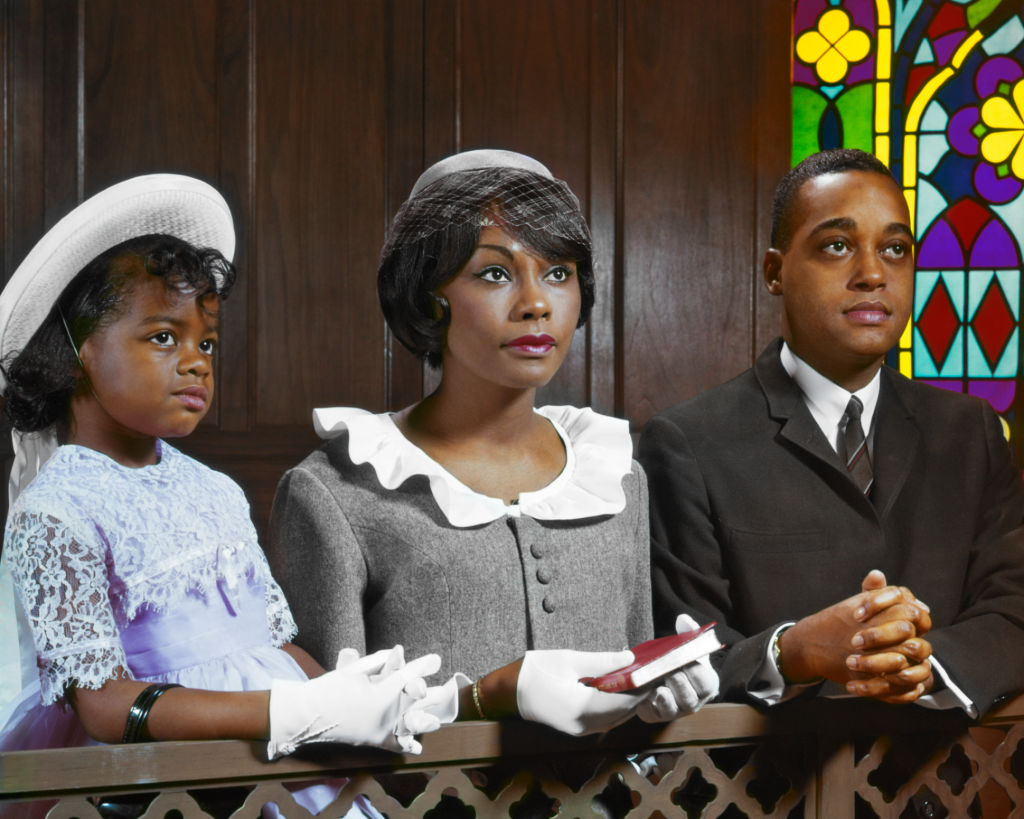
Easter Sunday has long transcended its religious significance within the Black community to become a foundational cultural event—a vibrant, almost competitive display of faith and fellowship. Most visibly, it is also a showcase of style. This tradition, which sees Black elders, particularly women, donning the most elaborate and intentional ensembles, is far more than just “dressing up.” In fact, it is a powerful, enduring statement of resilience, identity, and respect. It carries deep historical roots.
Easter Over the Ages
The concept of “Sunday Best” in the Black community emerged from a complex and often painful history. During periods of enslavement and Jim Crow segregation, Black folks were systematically stripped of their material wealth. They were also often denied their dignity. However, the church remained a sanctuary. It was a space where personal agency could be expressed.
RELATED CONTENT: Sweet, Sanctified And A Little Spicy — 7 Easter Sunday Looks That Bless The Body
Virginia Cumberbatch, writer and creator of “A Stylized Resistance,” champions the power of fashion as a tool for storytelling. This is a belief that drives her style salon. She posits that “Our style is inherently political, serving as a universal language – consciously and unconsciously communicating our values and beliefs.” Even at its most superficial, Cumberbatch delves into fashion as a democratizing force with the potential for disruption. According to the Texas native, “For centuries, clothing has been used to anchor cultural practices, affirm social status, and challenge the status quo. Notably, women of color have consistently pioneered pathways to liberation through a legacy of defiance, powerfully expressed by “serving LEWKS” (an African American Vernacular English expression for “looks”). Marginalized communities, from the Chicano movement of the 1940s to the Black Power movement of the 1960s, have thus used their threads to fashion resistance amidst invisibility, intolerability, and injustice.”
The post Timeless Elegance: Black Elders, ‘Sunday Best,’ And The Enduring Tradition Of Easter Fashion appeared first on MadameNoire.