Trump’s Iran War Deal Is Going Nowhere
By Mel Gurtov Photos: Wikimedia Commons We’ve seen this movie several times already: Trump issues threats, Iran refuses to kneel, negotiators rush to Qatar, Trump or Rubio announces an imminent deal, and then optimism evaporates as it becomes clear that the two sides are miles apart. At which point the US resumes military action and Iran threatens to retaliate. This script repeated just this weekend as the US carried out “self-defense air strikes” against targets in southern Iran and the ayatollah issued a warning that no US base in the region was safe. Iran launched missiles at some bases. The resumption of military action twice in recent days did not augur well for negotiations. The Hill and Axios are reporting that the US and Iran have reached a tentative agreement that will reopen the Strait of Hormuz. Strangely, the report begins by saying that Pres. Trump has not yet approved the deal, and it ends by saying that “Iran has so far not confirmed if it accepts the tentative deal.” In short, the movie is not over yet. Reports on the US-Iran negotiations have been consistently hazy about the details of what is being negotiated and what is not. Up to this latest news of a breakthrough, we can only be clear about these points: (1) “The focus of the negotiations is on ending the war, and at this stage there is no discussion about nuclear details,” as an Iranian foreign ministry spokesman put it last weekend. (2) Trump claimed he will get “the exact opposite” of the deal Obama achieved, which I think even Trump hopes isn’t true. (3) The reopening of the Strait of Hormuz will be forthcoming, but the price—some kind of usage fee paid to Iran, or an unfreezing of Iran’s assets by the US—remains undetermined. (4) Trump has alienated quite a few Republicans by his failure to achieve announced aims. Some are calling the presumed deal a capitulation even before the details are revealed. There are two other formidable obstacles to a peace agreement. One is the Netanyahu government, which is doing its best to sabotage any deal Trump reaches with Iran. Israeli Defense Forces (IDF) attacks on Hezbollah continue in spite of the cease-fire—the same pattern we’re seeing in the Iran war. Netanyahu says the attacks will “increase in intensity.” Haaretz cites senior Israeli officials who claim that “everything is on the table,” including strikes in Beirut and “anywhere the IDF deems appropriate.” Iran is linking an end to those attacks to its other demands. Another, and new, obstacle is Trump’s insistence that any agreement with Iran must include formal recognition of Israel by Saudi Arabia, Pakistan, and other regional states. That looks like a non-starter. Why Trump suddenly issued that demand is a mystery. Both these obstacles remain in place even if a tentative agreement has been reached. What does this reported agreement look like? It’s in the form of an MOU (memorandum of understanding) and contains just a few substantive agreements: the Strait of Hormuz will reopen, the cease-fire will extend another 60 days, the US naval blockade will end, and Iran will not impose tolls on commercial shipping and will begin de-mining operations in the Strait. All other issues, most importantly on Iran’s nuclear facilities and US sanctions, will be negotiated later. If that’s the essence of an agreement—and to my mind it’s probably the best that Trump will ever get—you might well ask why it took a US war on Iran, the disruption of global trade, and pain and suffering throughout the Middle East to get there. Prior to Trump’s war, the Strait was open, free, and unmined, Iran was party to an international agreement that committed it to not acquiring a nuclear weapon (and was judged by US intelligence not to be seeking one), no US or Iranian military personnel had been killed or wounded, Iran was under theocratic authoritarian rule rather than rule by a totalistic Revolutionary Guard Corps, and the country’s economic infrastructure had not been leveled by US bombs. In a word, there is no way to justify Trump’s war. It has been a diplomatic defeat and a military humiliation for the US, and it has established or reaffirmed many countries’ view of the US as an aggressor state. The genocidal Netanyahu regime in Israel and Iran’s revolutionary guards are the only beneficiaries of this war. Still, neither Trump nor Iran’s leaders have signed off on this reported MOU, meaning that the purposeless violence may yet go on.
 Black News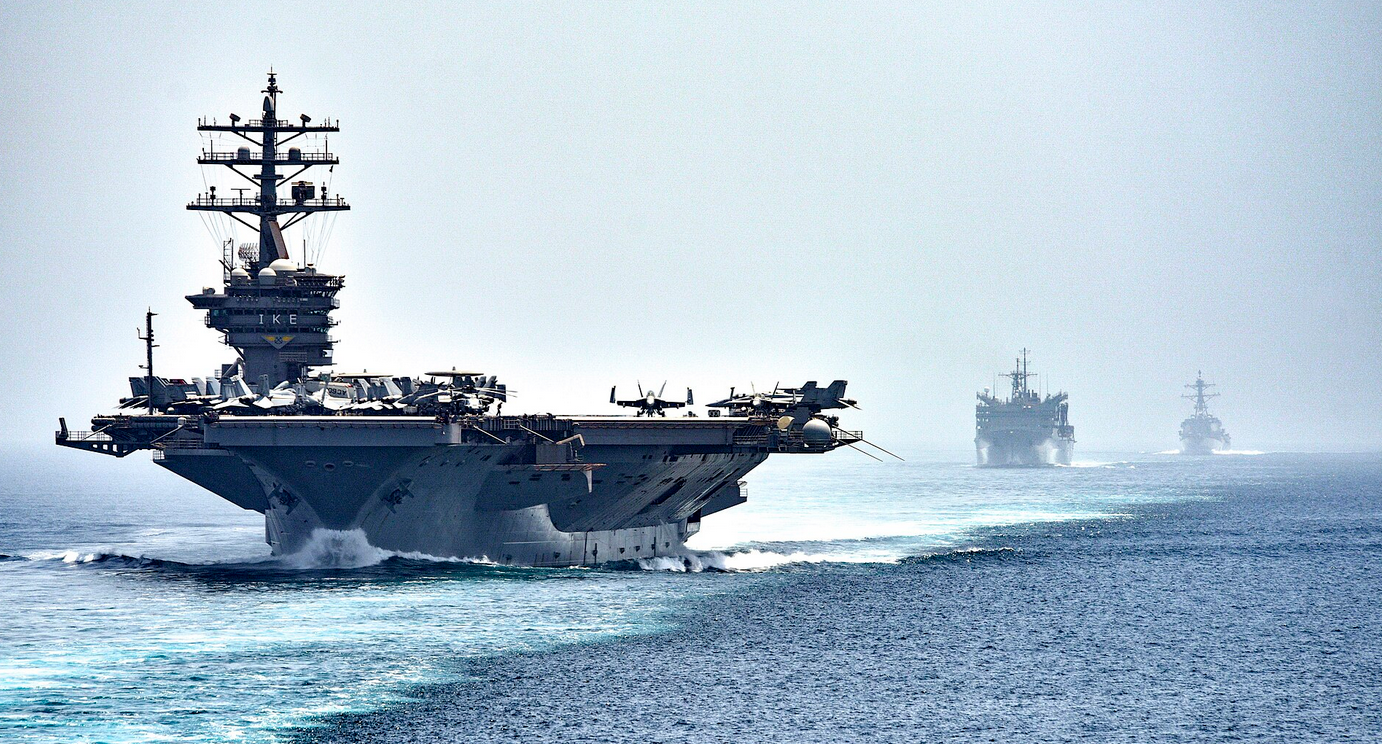
By Mel Gurtov
Photos: Wikimedia Commons
We’ve seen this movie several times already: Trump issues threats, Iran refuses to kneel, negotiators rush to Qatar, Trump or Rubio announces an imminent deal, and then optimism evaporates as it becomes clear that the two sides are miles apart. At which point the US resumes military action and Iran threatens to retaliate.

This script repeated just this weekend as the US carried out “self-defense air strikes” against targets in southern Iran and the ayatollah issued a warning that no US base in the region was safe. Iran launched missiles at some bases. The resumption of military action twice in recent days did not augur well for negotiations.
The Hill and Axios are reporting that the US and Iran have reached a tentative agreement that will reopen the Strait of Hormuz. Strangely, the report begins by saying that Pres. Trump has not yet approved the deal, and it ends by saying that “Iran has so far not confirmed if it accepts the tentative deal.” In short, the movie is not over yet.
Reports on the US-Iran negotiations have been consistently hazy about the details of what is being negotiated and what is not. Up to this latest news of a breakthrough, we can only be clear about these points:
(1) “The focus of the negotiations is on ending the war, and at this stage there is no discussion about nuclear details,” as an Iranian foreign ministry spokesman put it last weekend.
(2) Trump claimed he will get “the exact opposite” of the deal Obama achieved, which I think even Trump hopes isn’t true.
(3) The reopening of the Strait of Hormuz will be forthcoming, but the price—some kind of usage fee paid to Iran, or an unfreezing of Iran’s assets by the US—remains undetermined.
(4) Trump has alienated quite a few Republicans by his failure to achieve announced aims. Some are calling the presumed deal a capitulation even before the details are revealed.
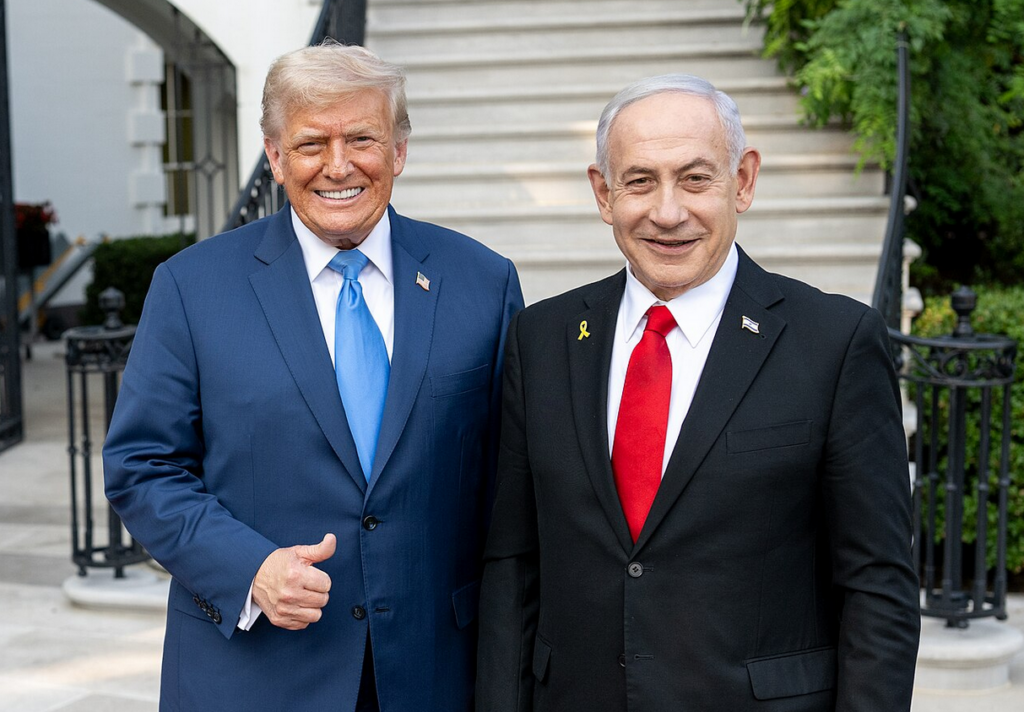
There are two other formidable obstacles to a peace agreement. One is the Netanyahu government, which is doing its best to sabotage any deal Trump reaches with Iran. Israeli Defense Forces (IDF) attacks on Hezbollah continue in spite of the cease-fire—the same pattern we’re seeing in the Iran war.
Netanyahu says the attacks will “increase in intensity.” Haaretz cites senior Israeli officials who claim that “everything is on the table,” including strikes in Beirut and “anywhere the IDF deems appropriate.” Iran is linking an end to those attacks to its other demands.
Another, and new, obstacle is Trump’s insistence that any agreement with Iran must include formal recognition of Israel by Saudi Arabia, Pakistan, and other regional states. That looks like a non-starter. Why Trump suddenly issued that demand is a mystery. Both these obstacles remain in place even if a tentative agreement has been reached.
What does this reported agreement look like?
It’s in the form of an MOU (memorandum of understanding) and contains just a few substantive agreements: the Strait of Hormuz will reopen, the cease-fire will extend another 60 days, the US naval blockade will end, and Iran will not impose tolls on commercial shipping and will begin de-mining operations in the Strait. All other issues, most importantly on Iran’s nuclear facilities and US sanctions, will be negotiated later.
If that’s the essence of an agreement—and to my mind it’s probably the best that Trump will ever get—you might well ask why it took a US war on Iran, the disruption of global trade, and pain and suffering throughout the Middle East to get there.
Prior to Trump’s war, the Strait was open, free, and unmined, Iran was party to an international agreement that committed it to not acquiring a nuclear weapon (and was judged by US intelligence not to be seeking one), no US or Iranian military personnel had been killed or wounded, Iran was under theocratic authoritarian rule rather than rule by a totalistic Revolutionary Guard Corps, and the country’s economic infrastructure had not been leveled by US bombs.
In a word, there is no way to justify Trump’s war. It has been a diplomatic defeat and a military humiliation for the US, and it has established or reaffirmed many countries’ view of the US as an aggressor state. The genocidal Netanyahu regime in Israel and Iran’s revolutionary guards are the only beneficiaries of this war. Still, neither Trump nor Iran’s leaders have signed off on this reported MOU, meaning that the purposeless violence may yet go on.