Top 10 African countries with the strongest currencies in May 2026
Recent developments in Kenya and Zambia demonstrate how currency strength can lead to significant economic gains for African economies.
 Black News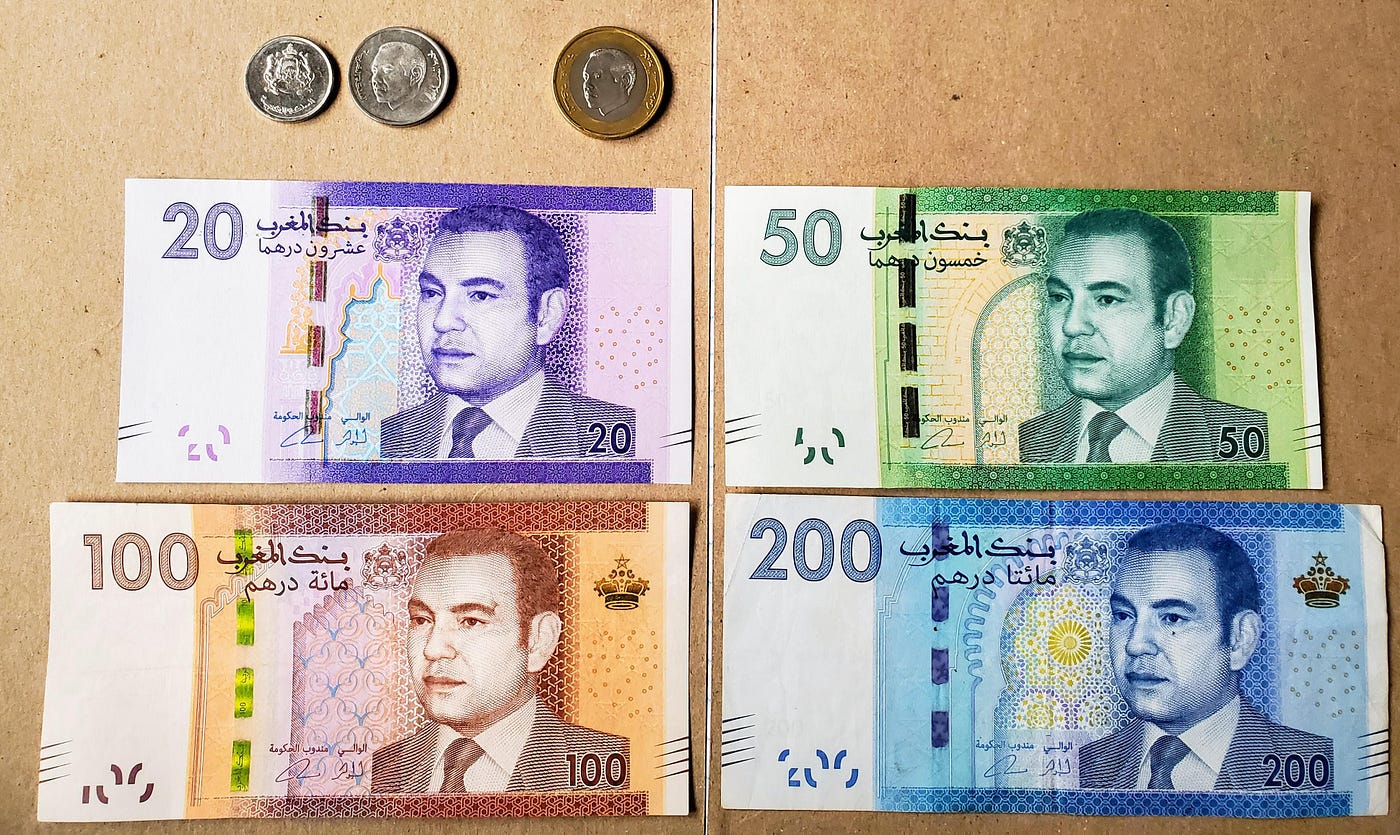
![Top 10 African countries with the strongest currencies in May 2026 [Medium]](https://ocdn.eu/pulscms/MDA_/6153f83d7c1d9753f1253f003f705b09.jpg)
Recent developments in Kenya and Zambia demonstrate how currency strength can lead to significant economic gains for African economies.
- Currency stability helps shield economies from external shocks like global fuel price swings, keeping transport and food prices more predictable.
- A stable currency also improves economic confidence by reducing panic-driven foreign exchange demand, supporting better inflation management.
- For import-dependent economies, stronger currencies lower the cost of fuel, machinery, and industrial inputs while easing pressure on foreign exchange reserves.
- Currency strength can also reinforce industrial and export performance by stabilizing input costs and supporting debt management.
In Kenya, the shilling's relative stability in recent years has helped buffer the economy from external shocks, particularly those caused by global gasoline price volatility.
Despite rising import costs, the currency's capacity to prevent sudden devaluation has helped keep transportation and food prices predictable.
When the currency remains stable, businesses can plan better, transportation operators face fewer unexpected cost shocks, and households see less volatility in key spending.
DON’T MISS THIS: 10 African countries with the weakest currencies in April 2026
Kenya's experience demonstrates an additional benefit of currency strength: economic confidence.
A stable or strong currency minimizes panic-driven dollar demand, allows central banks to better manage inflation, and provides a more predictable environment for both domestic and foreign investors.
Even during periods of high fuel prices, currency stability has helped to avoid a full-fledged macroeconomic disaster.
This higher currency position has reduced import costs and alleviated strain on foreign exchange reserves.
For a country that relies on imported fuel, machinery, and industrial inputs, currency strength directly translates into cheaper production costs and increased economic competitiveness.
Zambia's example shows how currency strength can boost industrial performance.
When the kwacha performs well, mining companies and manufacturers profit from more consistent input costs, while the government obtains greater flexibility in handling external debt commitments.
This produces a reinforcing cycle in which export revenues support currency strength, which in turn helps the overall economic stability.
Kenya and Zambia demonstrate an important continental lesson: strong currencies do more than just reflect economic health; they actively shape it.
They reduce imported inflation, keep fuel and food prices stable, and help governments and businesses plan for the future.
With that said, here are the African countries with the strongest currencies in May 2026, per data from the Forbes calculator.