Why resilience matters most in African agriculture now
African agriculture is entering a period where resilience will be determined heavily by access to capital and the ability to remain operational under unstable conditions that may persist for extended periods
 Black News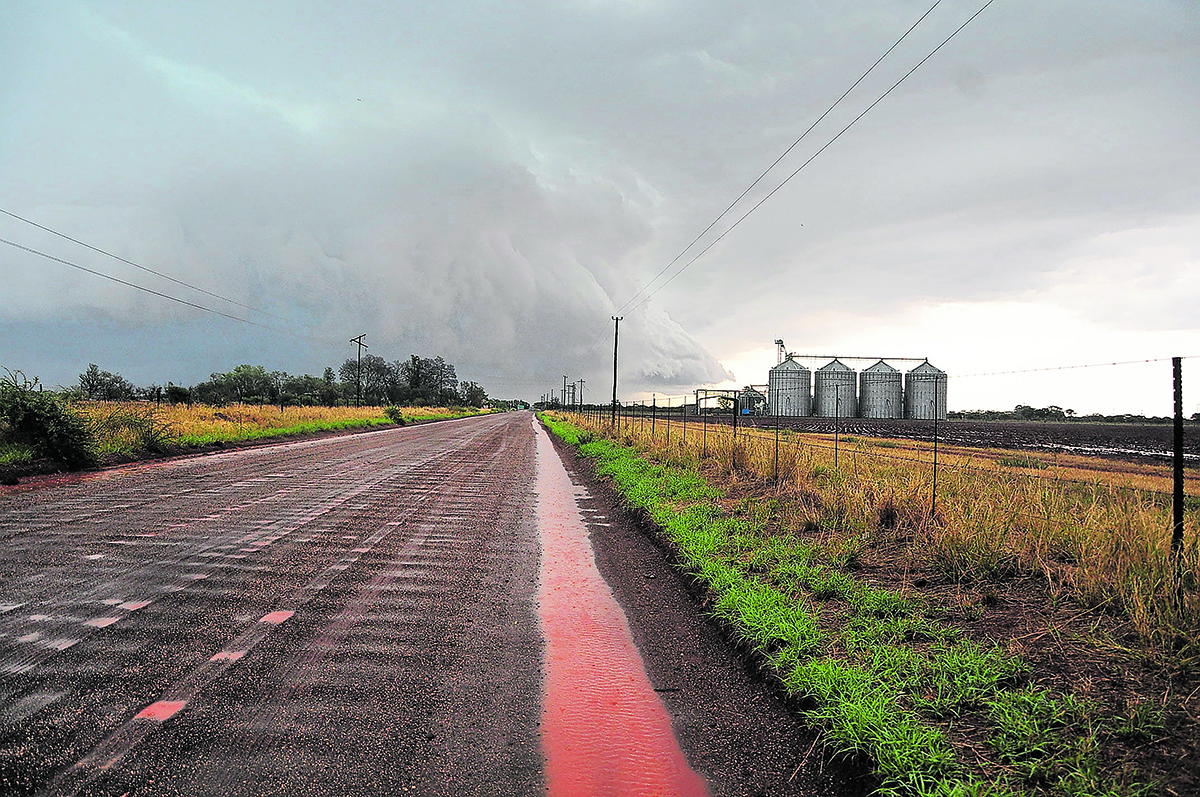
For a long time, agricultural risk in Africa was understood through a relatively familiar set of pressures, whether around rainfall and weather patterns, commodity prices, input costs, access to finance or the practical realities of moving products through supply chains that often struggled even under normal conditions. Difficult, certainly, but still manageable within a system whose participants broadly understood its rhythms. What has changed, particularly over the past decade, is that the risk environment surrounding African agriculture has become far more interconnected and far less predictable.
Take climate change, for instance. In some parts of the continent, rain now arrives heavily over very short periods before disappearing again. At the same time, floods, mid-season droughts and highly localised weather disruptions have started appearing much more frequently. Many producers now factor some form of climate disruption into almost every season, partly because conditions can shift dramatically even across relatively short distances and partly because the timing itself has become far more difficult to anticipate consistently from one year to the next.
The same interconnectedness applies to geopolitical risk as well. The conflict in the Middle East has already shown how quickly events far outside the continent can feed back into African agriculture through higher freight costs and shipping disruptions across key export routes. For exporters already operating on tight margins and highly time-sensitive supply chains, those disruptions carry immediate commercial consequences because even relatively short delays can affect pricing, quality and market access simultaneously.
The pressure point many farmers are feeling most acutely at the moment, and likely will continue feeling for some time, is the rise in input costs, particularly for fertiliser and energy.
Urea prices moved above $700 per tonne earlier this year, with upward pressure spreading across other fertiliser categories as supply chains tightened and global uncertainty filtered further into agricultural input markets. Producers who had not secured supply early suddenly found themselves entering planting periods under far more pressure on pricing, particularly as higher crude prices also pushed fuel costs sharply upwards across parts of the continent at exactly the point at which diesel demand typically begins accelerating during planting and harvesting cycles.
The reality is that many of these pressures no longer behave like temporary disruptions that businesses can simply wait out until conditions normalise again: the operating environment itself has changed. More producers are starting to recognise that resilience now depends less on getting through a difficult season and more on building operations capable of absorbing repeated instability over longer periods.
The difficult reality now is that meaningful adjustments are often hard to make midway through difficult periods because agricultural cycles do not move at the same speed as geopolitical events or commodity markets. Much depends on what is being produced and how exposed producers are to changing input costs or weakening prices. Grain producers, for example, are currently operating in a global market carrying high stock levels, which continue to place downward pressure on prices even as fertiliser and fuel costs rise.
Other producers face different pressures altogether, particularly where export markets tighten or demand weakens unexpectedly, forcing businesses to look for alternative markets or different routes to market, often within very short timeframes.
But part of the challenge is that difficult times rarely create only downside pressure. They also create periods of temporary dislocation where opportunities emerge unexpectedly for businesses capable of moving quickly enough to respond to them. Increasingly, resilience in agriculture depends not only on surviving volatility but on maintaining enough liquidity and operational agility to adapt when conditions change suddenly in either direction.
And that is why cash flow is really at the heart of resilience. That may come through retained cash inside the business itself or through the ability to access external funding when needed. At Absa AgriBusiness, we are increasingly seeing producers prioritise financial flexibility and liquidity as core to their long-term resilience planning. Either way, businesses carrying healthier balance sheets generally retain far more flexibility once markets come under pressure.
Some producers are also leaning more heavily into crop insurance, others into geographic or production diversification. Many have spent the past few years focusing on technology and improving operational efficiency. All these efforts aim to strengthen margins and ultimately generate additional cash flow within the business itself.
None of these decisions remove volatility from agriculture entirely, but they do influence how much room a business has to absorb pressure once conditions become unstable.

As farming conditions become harder to predict through traditional models alone, financial institutions like Absa will increasingly have to rely on far more granular operational data to assess risk appropriately and support producers more effectively through volatile cycles. The reality is that large amounts of agricultural data are already being generated across farms every season, whether around yields, planting conditions, weather patterns, input usage or production practices. The bigger challenge is how that information is actually incorporated into funding and risk-assessment models in ways that create practical value for producers.
African agriculture is entering a period where resilience will be determined heavily by access to capital and the ability to remain operational under unstable conditions that may persist for extended periods. For producers, financiers and value-chain participants alike, this requires thinking far more carefully about how businesses are structured before the next disruption arrives, not once it is already underway.