Ndumba’s game plan for women’s football
Newly-appointed Namibia Football Association executive council member Lydia ‘Annetjie’ Ndumba aims to establish sustainable grassroots development and increase woman leadership in Namibian football. Her appointment to the Namibia Football Association (NFA) executive council follows the vacancy left by the late Michael Situnde. Ndumba holds full voting rights and all official responsibilities of the office. She […] The post Ndumba’s game plan for women’s football appeared first on The Namibian.
 Black News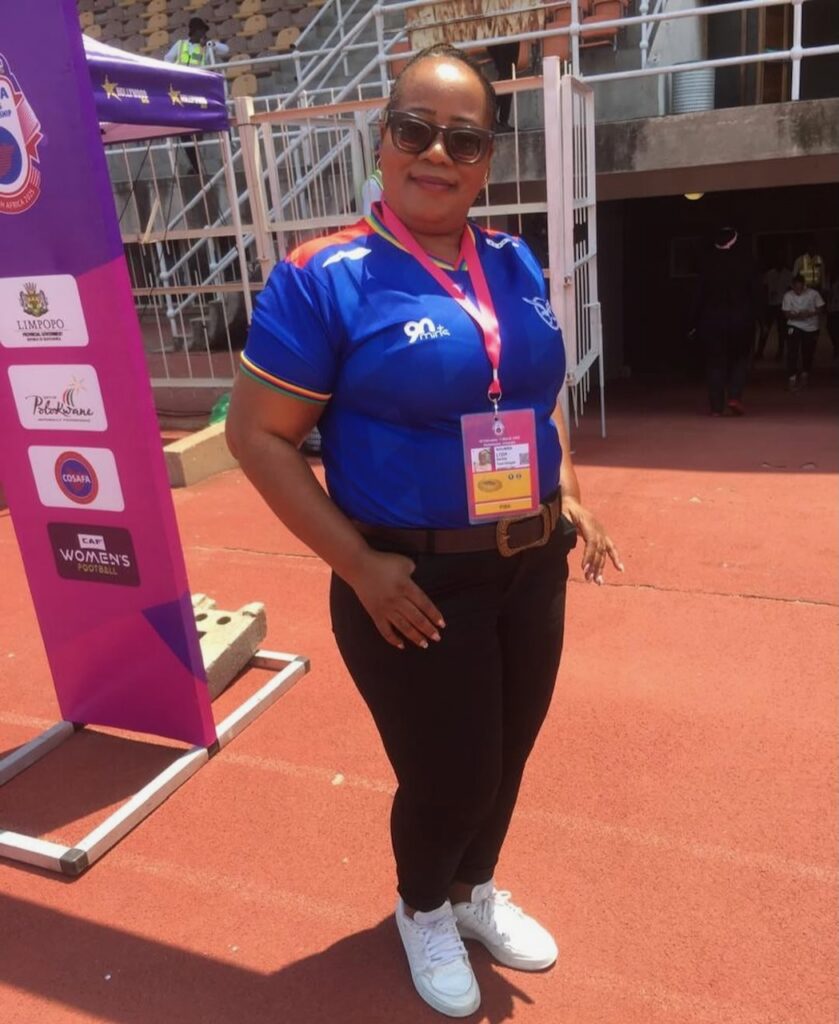
Newly-appointed Namibia Football Association executive council member Lydia ‘Annetjie’ Ndumba aims to establish sustainable grassroots development and increase woman leadership in Namibian football.
Her appointment to the Namibia Football Association (NFA) executive council follows the vacancy left by the late Michael Situnde.
Ndumba holds full voting rights and all official responsibilities of the office.
She says empowering women’s football through grassroots participation in elite competitions is her priority.
“This includes increasing access to football for girls, strengthening regional leagues, developing coaches and referees, and ensuring every region has structured competitions and development programmes.”
On balancing the allocation of resources between the established men’s and women’s leagues, Ndumba says: “Resource allocation should be guided by strategic objectives and development needs.
“A dedicated women’s football budget, targeted development grants, and equitable access to facilities, coaching, and competitions are essential for long-term growth.”
She says the NFA’s executive council must strengthen partnerships with schools and the Namibia Schools Sport Union to introduce football programmes for girls at an early age.
“Equally important is creating safe environments through safeguarding policies, coach education, child protection measures, and ensuring girls have access to the appropriate facilities and equipment,” she says.
Ndumba, who is representing the north-eastern first division, says to unlock commercial potential for women’s football the NFA must improve visibility through media coverage, create attractive sponsorship packages, collect participation and audience data, and showcase success stories that demonstrate the return on investment for partners.
On the poor representation by women in operational leadership, she says: “I would advocate for intentional leadership development opportunities, succession planning, and targeted training programmes that prepare women for technical, operational, and executive leadership roles.
“Women should be represented in decision-making structures across all areas of football administration.”
She says the national football body must actively identify and mentor talented women to prepare them for governance positions and ensure equal opportunities for advancement.
“I would establish a women’s leadership network within the NFA, pairing experienced leaders with emerging professionals recommending more women to the Cosafa women leadership programme.”
She says the NFA should proactively invest in coaching education programmes, scholarships, and accelerated licensing pathways for women coaches.
“We should also provide technical support to clubs, establish a database of qualified female coaches, and create mentorship opportunities to help clubs comply with the regulations.”
She says the NFA should introduce scholarship programs, subsidized licensing courses, mentorship initiatives, and targeted recruitment campaigns.
Nduma says her leadership style is collaborative, inclusive, and results-oriented.
“My experience in football has taught me resilience, adaptability, and the importance of creating opportunities for others.
“I believe strong leadership is about empowering people, building partnerships, and delivering sustainable outcomes,” she says.
“I am driven by the belief that football should be accessible and beneficial to everyone, regardless of gender.”
She wants to leave a legacy of stronger institutions, increased opportunities for women and girls, improved governance, and a football ecosystem where future generations can thrive without facing the barriers that exist today, she says.
As an executive council member, Ndumba says her commitment is to contribute to a football environment that is inclusive, professionally managed, and sustainable.
“By investing in women, young people, governance, safeguarding, and capacity building, we can ensure Namibian football continues to grow and create opportunities for all,” she says.
The post Ndumba’s game plan for women’s football appeared first on The Namibian.