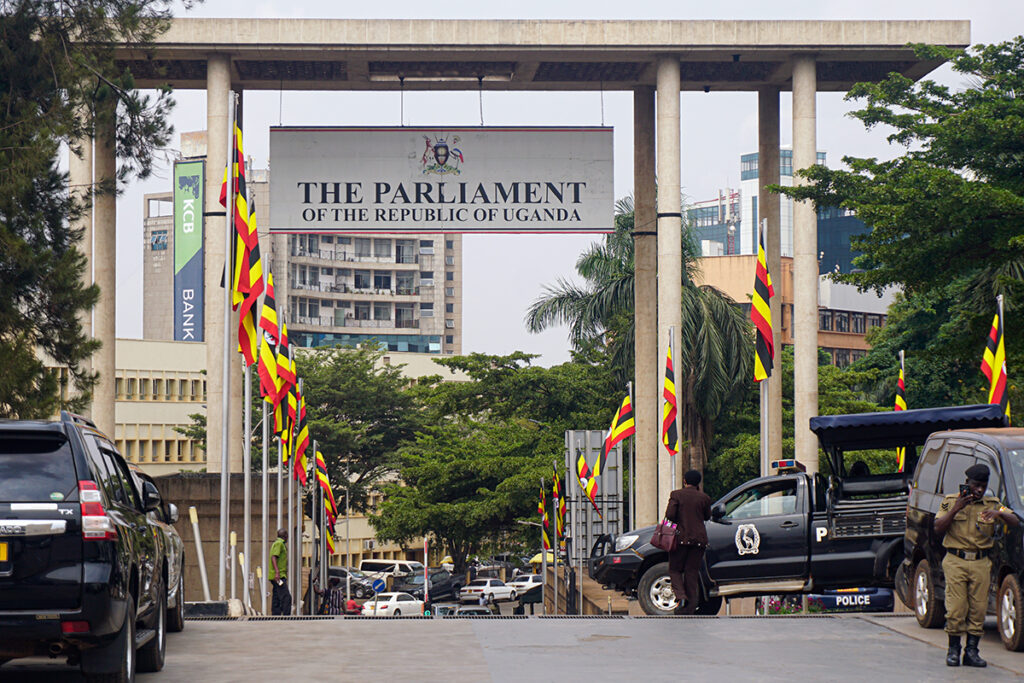
Members of the 12th Parliament will begin receiving Shs300 million each this month to facilitate the purchase of new vehicles after the government releases the first batch of funds for the 2026/27 financial year, Finance Minister Henry Musasizi has announced.
The development was revealed on Wednesday by Musasizi while addressing legislators during the induction seminar for Members of the 12th Parliament at Speke Resort Munyonyo.
Musasizi told lawmakers that the funds would be released as part of the first-quarter budget releases, assuring them that the money for the vehicles had been prioritised and would be available by July 10 when the first quarterly disbursements are made.
“I am aware some people have whispered to me that you would like to know whether you are going to be facilitated to go back to the constituencies. No, you would like to know when your money for the cars is going to be released. Am I correct? So, we shall release it this quarter,” Musasizi told the legislators.
He explained that government releases funds on a quarterly basis and reminded MPs that the first quarter of the financial year runs from July to September.
“When we say funds are released on a quarterly basis, a quarter runs for three months. So, if I tell you that I am going to release money in this quarter, if you are a good student, you are not supposed to ask me when. Releases are done on a quarterly basis by the 10th,” he said.
The minister went a step further, revealing that he had already directed officials at the Ministry of Finance to ensure the money for MPs’ vehicles is included in the very first batch of releases this month.
“The money for the vehicles to facilitate MPs to move back to their constituencies will be released in the first batch of this quarter, which is in July. I have already instructed my team to ensure that this is provided for in the first batch of the release. I’m saying in the first batch, which is in July. So, by expiry of July, we shall all be happy. Here I am also interested, because I am also part of you colleagues,” Musasizi said.
Each legislator is expected to receive approximately Shs300 million to purchase a new vehicle to support constituency work.
The announcement follows Parliament’s successful request during the 2026/27 budget process for an additional Shs166.8 billion to finance the purchase of vehicles for Members of the 12th Parliament.
At the time, the then Vice Chairperson of Parliament’s Budget Committee, Remigio Achia, defended the expenditure, arguing that legislators travel extensively across their constituencies to consult voters, monitor government programmes and execute parliamentary duties.
Achia said providing reliable and standardised vehicles would improve MPs’ mobility, enhance service delivery and reduce operational inefficiencies.
During his address, Musasizi also claimed credit for spearheading efforts that saw MPs’ allowances exempted from a proposed 40 per cent income tax, saying he personally fought to protect legislators’ welfare.
“And of course, I have been at the forefront for fighting for welfare of all Members of Parliament, including exempting the allowances for MPs from taxes. I am the one who single-handedly fought this war. You should really clap for me for that. Because by now, instead of going to Ntungamo, you would be stopping in Mbarara if we were to take away 40 per cent from you as tax,” he said, drawing laughter from the legislators.
Beyond the issue of MPs’ welfare, Musasizi used the induction seminar to remind legislators that Parliament plays a central role in Uganda’s budget process, saying its responsibility extends far beyond approving government expenditure.
He said Parliament has seven key responsibilities in the national budget process, including approving the Budget Framework, scrutinising Ministerial Policy Statements, appropriating funds, enacting tax legislation, reviewing budget performance reports, considering audit reports and conducting oversight of government programmes in constituencies.
“Parliament has the power to shape Uganda’s budget,” Musasizi said.
He urged the newly sworn-in legislators to actively scrutinise government spending proposals to ensure they align with national development priorities and sector needs.
The Finance Minister further stressed that approval of the national budget should not mark the end of Parliament’s work.
He said MPs must continuously examine budget performance reports, rely on findings from the Auditor General as well as reports of the Public Accounts Committee and the Local Government Accounts Committee to demand accountability, and monitor whether public funds are reaching the intended beneficiaries in their constituencies.
According to Musasizi, effective parliamentary oversight remains essential in ensuring that government resources translate into improved service delivery and value for taxpayers’ money.

 Black News