Qatari and U.S. oil giants turn to Africa’s second-largest gas producer to ship Cyprus offshore gas to Europe
QatarEnergy and ExxonMobil have turned to Egypt to transport offshore gas from Cyprus to Europe, strengthening Cairo’s growing position as a strategic energy gateway between Africa, the Mediterranean and European markets amid rising uncertainty across Middle Eastern shipping routes.
 Black News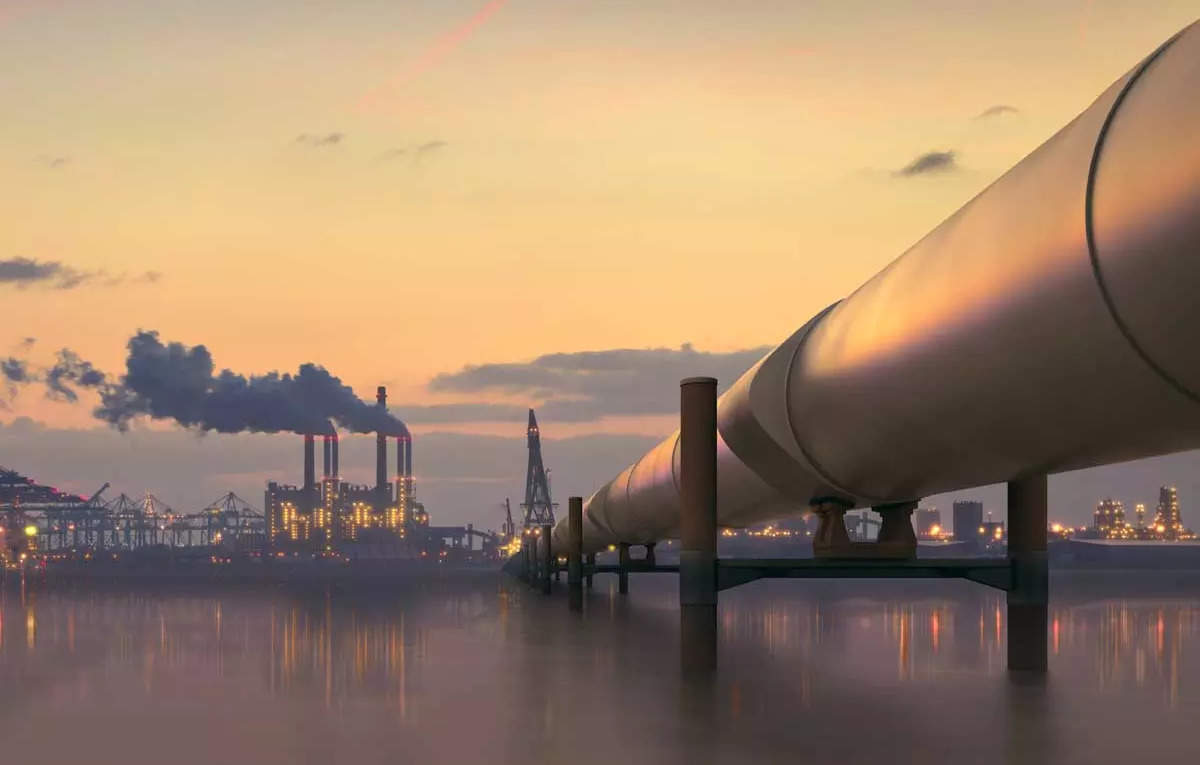

QatarEnergy and ExxonMobil have turned to Egypt to transport offshore gas from Cyprus to Europe, strengthening Cairo’s growing position as a strategic energy gateway between Africa, the Mediterranean and European markets amid rising uncertainty across Middle Eastern shipping routes.
- Egypt is enhancing its role as a regional energy and logistics hub by facilitating the export of Cypriot gas to Europe via Egyptian infrastructure.
- QatarEnergy and ExxonMobil signed an agreement with Egypt’s Ministry of Petroleum to liquefy and export Cypriot gas discoveries through Egyptian terminals.
- Egypt is also expanding trade routes, including a new cargo corridor linking Mediterranean and Red Sea ports, connecting European and Gulf markets.
- These developments come as Europe seeks alternative energy routes amidst the Russia-Ukraine war and instability in the Strait of Hormuz, further solidifying Egypt’s strategic position.
The memorandum of understanding, signed with Egypt’s Ministry of Petroleum and Mineral Resources, will explore the development and commercialisation of Cypriot gas discoveries using Egypt’s liquefaction facilities and export terminals.
The agreement strengthens Cairo’s growing influence as Africa’s second-largest gas producer as Europe searches for alternatives to Russian energy supplies amid renewed instability across Middle Eastern shipping routes.
According to Euronews, the project could provide Europe with an additional gas supply route as countries continue diversifying energy sources following disruptions caused by Russia’s invasion of Ukraine.
While Cypriot gas alone is unlikely to significantly reshape Europe’s energy balance, it could strengthen supply flows from the Eastern Mediterranean.
Cyprus currently lacks liquefied natural gas infrastructure, meaning gas extracted from its offshore fields must first be transported through subsea pipelines to Egypt before being liquefied and exported to international markets.
Cyprus discoveries strengthen Egypt’s energy role
The agreement builds on Egypt’s expanding role in Mediterranean energy flows.
In April, partners in Cyprus’s Aphrodite gas field signed a 15-year agreement to sell all recoverable natural gas from the reservoir to the Egyptian Natural Gas Holding Company, with an option to extend the arrangement for another five years.
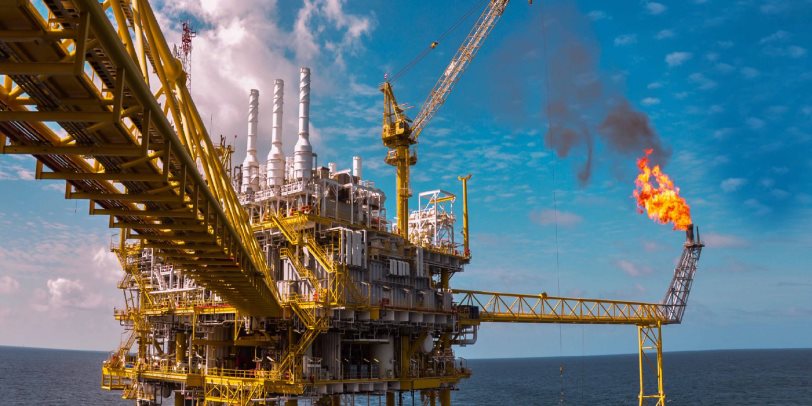
QatarEnergy and ExxonMobil are already partners in Cyprus’s Block 10 concession, where the Glaucus offshore discovery, identified in 2019, is estimated to contain about 3.7 trillion cubic feet of gas.
A second discovery, Pegasus, announced in 2025, increased the combined reserves of the two fields to around 7 trillion cubic feet after the consortium declared both commercially viable earlier this year.
QatarEnergy chief executive Saad Sherida Al Kaabi described the agreement as a step toward strengthening regional energy cooperation across the Eastern Mediterranean.
Egypt expands Europe-Gulf transport links
Since the Russia-Ukraine war and rising Middle East instability, Cairo has drawn growing global attention due to its strategic position linking the Gulf with European markets, while accelerating infrastructure and energy partnerships with Saudi Arabia and the United Arab Emirates.
Among the key projects is the planned Egypt-Saudi Arabia electricity interconnection project, designed to link North African and Gulf power grids through the Red Sea.
Egypt also remains a critical transit player through the SUMED pipeline, which transports crude oil from the Red Sea to the Mediterranean, helping global markets reduce exposure to congestion and security risks around the Strait of Hormuz.
Although the latest Cyprus-Egypt gas export project remains in its early stages, with no final investment decision yet announced, completion by 2028 would mark Cyprus’s first-ever gas exports to Europe.