The Shift From Material Purchases to Live Experiences Continues to Grow
Why are people opting for live experiences over buying items? Explore this growing trend and how it redefines value. Enjoy experiences that last a lifetime.
 Black News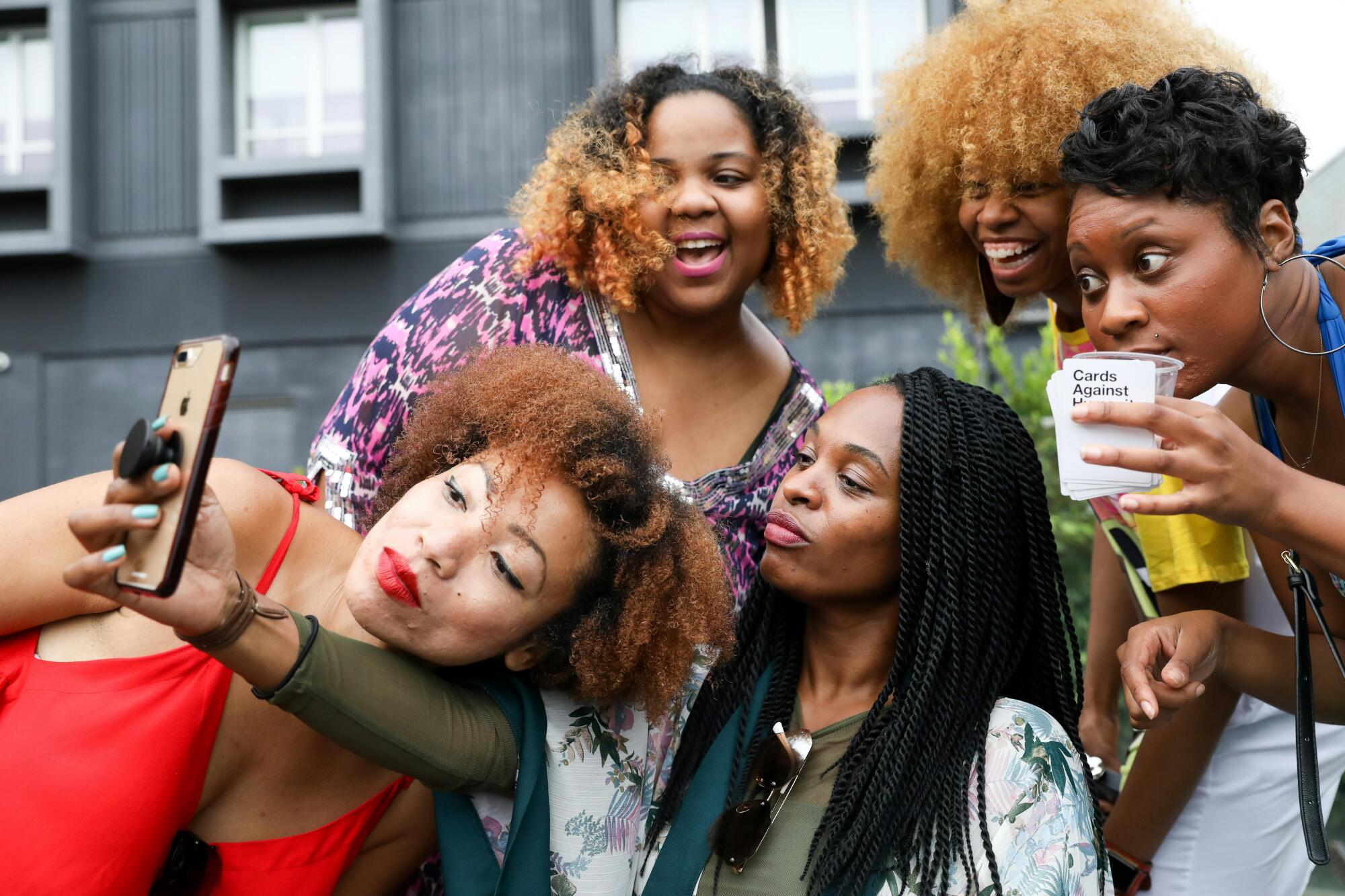

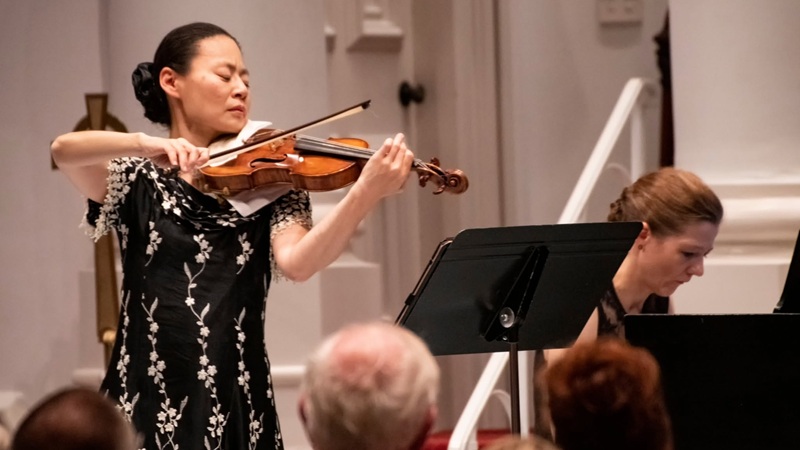
Live experiences like concerts, festivals, travel, immersive events, and dinner shows are drawing consumer spending away from material goods because these experiences deliver lasting happiness through social bonds and connectivity.
According to Empower, 88% of people say their love of life comes from experiences. The culture has been saying this for years; the data is finally catching up.
To Black consumers who have long understood that the memory of a moment outlasts the novelty of a purchase, this shift reflects something that was already embedded in how the culture moves. The concert, the cookout, the family reunion, the block party, these have always been the investment.
Now the broader market is arriving at the same conclusion.
Why Do People Prefer Experiences Over Material Goods?
The research on this question is consistent and has been building for decades. People derive more lasting satisfaction from experiential purchases (travel, live shows, shared meals, and events) than from material ones, according to a review of studies compiled by ScienceDirect examining hedonic value across consumption types.
The satisfaction from a material purchase peaks around acquisition and then fades; the satisfaction from an experience often grows over time as the memory of it becomes richer rather than stale.
Social Connection as a Driver
A significant part of what makes live experiences register as high-value is that they’re almost always social. You attend them with people, and the shared memory becomes a thread in the relationship that neither party owns individually.
Material purchases can be done alone and often are; experiences pull people into proximity with each other in ways that leave something behind after the event ends.
What Is the Experience Economy?
The experience economy is the segment of consumer activity driven by spending on events, entertainment, travel, and participation rather than on physical goods. It’s been growing steadily for years, but recent figures show just how large the scale has become.
Consumers spent $2.1 trillion on experiences in the U.S. alone, according to Empower’s financial research, and live entertainment is among the fastest-growing subcategories within it. The consumer behavior trends behind this economy reflect a fundamental reassessment of what spending is actually for.
When people examine their own financial histories and identify what they remember and what they regret, the pattern consistently runs in one direction: the experiences land as meaningful, and the accumulated stuff often doesn’t. The experience economy is what happens when enough people arrive at that conclusion simultaneously and start spending accordingly.
Who is Driving This Shift?
Millennials lead the experiential spending trend, with 61% prioritizing memorable, shareable moments over material goods, according to GWI’s 2025 consumer research. The shift spans income levels and age groups, but the households with real discretionary income are leading the reallocation.
A June 2025 Morning Consult survey of 2,205 U.S. adults also found that 44% of households earning $100,000 or more increased experience spending in the past year, compared to 37% who increased nonessential product spending.
How Live Experiences Are Reshaping What Events Look Like
The growth of the experience economy hasn’t just changed where money goes; it’s changed what event producers, venues, and brands feel pressure to deliver. An experience that doesn’t justify showing up in person is a missed opportunity in a market where people are actively seeking reasons to leave the house.
The production quality of live events has risen accordingly, because audiences with real spending power are making deliberate choices about where their time and money go. What separates a forgettable event from one people talk about for years usually comes down to the sensory execution (sound, lighting, staging, and overall atmosphere) that tells an audience they’re somewhere that took their attendance seriously.
The infrastructure behind that atmosphere matters more than most attendees realize. The work of a skilled lighting technician in Orlando or any other major live event market shapes the emotional register of an entire evening.
The Experiences Worth Prioritizing
Not every experience delivers equally, and part of the shift in consumer priorities involves getting more selective about which events are worth the investment. The experiences that consistently rank highest in post-event satisfaction share a few qualities:
- They happen in the community; shared with people whose presence adds to the moment rather than just fills a seat
- They offer something that can’t be replicated by watching a recording afterward
- They carry production quality that communicates respect for the audience’s time and money
- They generate the kind of story that gets told again, not just a caption but a conversation
Frequently Asked Questions
How Has the Shift to Experiences Changed Event Production?
As spending on live events has grown, audience expectations have scaled with it. Consumers investing real money in a night out now expect production values, like lighting, sound, staging, and atmosphere, that justify the price of the ticket and the decision to show up in person.
Event producers across entertainment categories have responded by investing more heavily in technical execution, knowing that an underproduced show in an experience economy reads as a broken promise rather than just a missed opportunity.
Why Are Black Consumers Particularly Aligned With the Experience Economy?
The cultural architecture of Black American life has long centered on collective experience. Music, worship, celebration, food, and gathering are foundational rather than incidental.
The experience economy describes a shift in the broader consumer market toward values that Black culture has operated by for generations. The difference now is that the market has caught up enough that the events, venues, and productions catering to experience-seeking audiences increasingly include the kind of intentional, culturally resonant programming that reflects that reality.
Discover the Value of Experiences
The data is consistent, and the cultural signal has been there for years: live experiences have replaced material accumulation as the primary measure of a well-spent dollar for a growing share of the population. The experience economy is not a marketing category; it’s a genuine reorientation of consumer priorities toward memory, community, and the kind of value that doesn’t depreciate.
This isn’t a new discovery for Black Americans but a validation of how going out, gathering, and investing in shared moments has always worked.
Keep reading for more culture, entertainment, and lifestyle coverage built for our community.