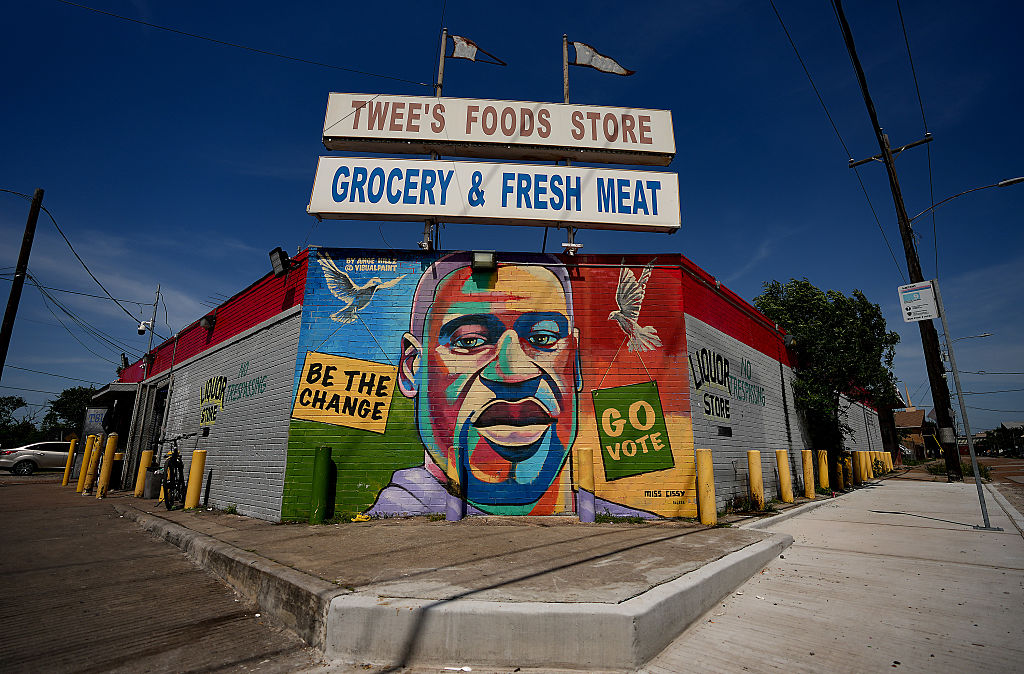
Top 7 reasons to vote in the May 26 runoff
Runoff elections decide critical local policies that significantly impact Black communities.
 Black News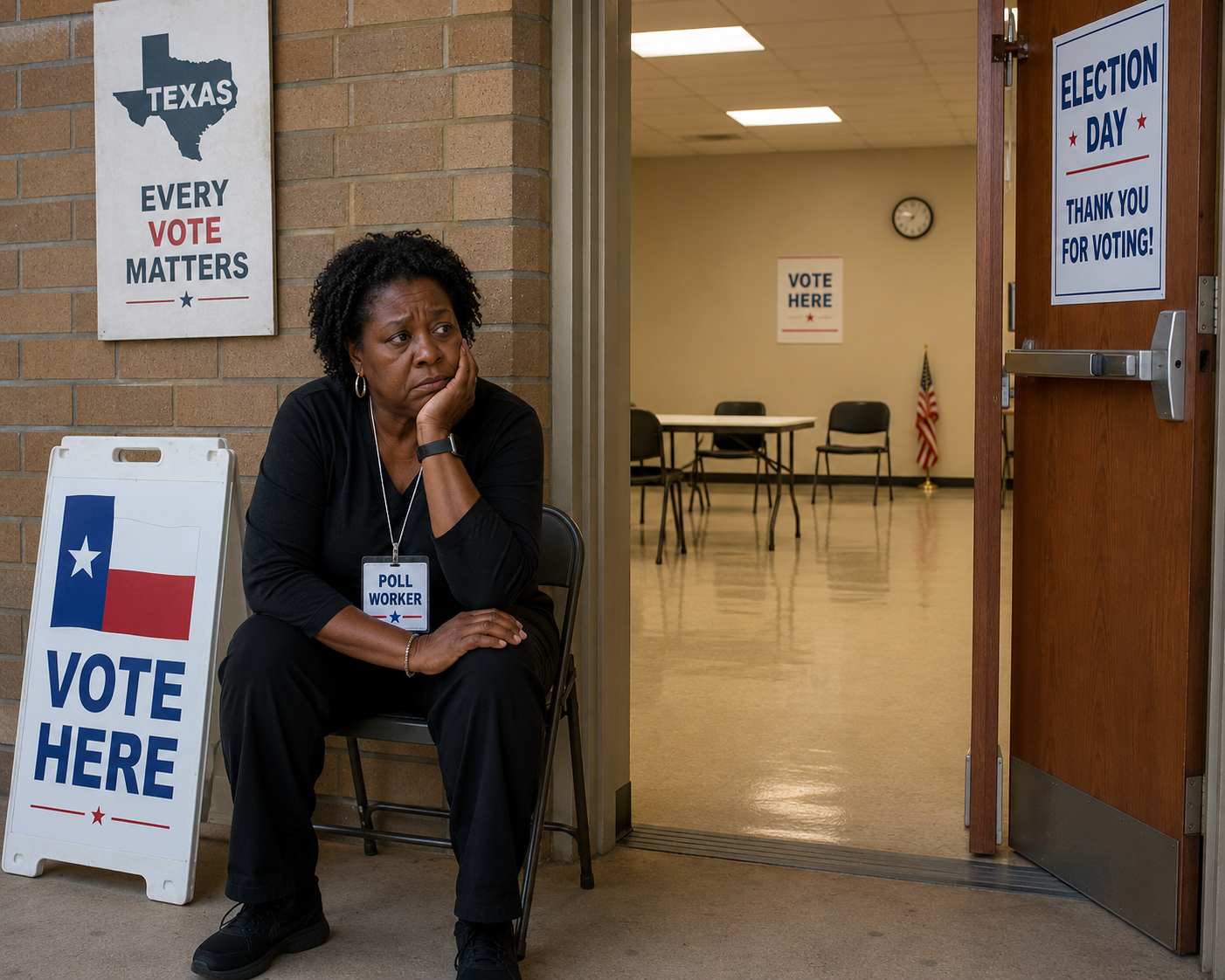

The campaign signs may be fewer, and the crowds may be smaller, but the stakes in runoff elections remain high.
Runoff elections often determine who will serve on city councils, school boards, judicial benches, and in legislative seats. They directly shape policies involving public safety, education, housing, infrastructure, and economic development — issues that significantly impact Black communities across Houston and Texas.
“The May 26th Primary Runoff Election is a powerful reminder that democracy works best when every voice is heard. For communities of color across the Greater Houston area and throughout Texas, this election is an opportunity to ensure that our voices, concerns, and hopes for the future resonate through the power of the vote,” said Dr. Annie Johnson Benifield, President, Houston Voting Initiative.
This is the third special election in the area in the last month, and election officials are worried it could further suppress voter turnout.
“I know sometimes voters say, ‘Why can’t you combine them all in one day?’ Well, because the constitution doesn’t allow for it. Primaries can’t be combined with special elections. Uniform elections can’t be combined with other elections,” said Harris County Clerk Teneisha Hudspeth.
@teneshiaforhc Three elections. One month. Let’s break it down: ???? May 2: Texas Senate District 4 Special Election ???? May 16: Special Runoff for Houston City Council District C ???? May 26: Primary Runoffs Not all voters are eligible to participate in every election. Check to see if you have something to vote on at HarrisVotes.com. Know what’s on your ballot. Make a plan. Every election matters. #harrisvotes #harriscountyclerksoffice #elections ♬ original sound – Teneshiaforhc
Historically, voter turnout in runoff elections has been sharply lower than in general elections. According to election analysts, that drop in participation can increase the influence of smaller groups of highly engaged voters and make close races even more consequential. In some local Texas races, winners have been decided by only a few hundred votes.

In Texas’ Congressional District 18 runoff earlier this year, fewer than 24,000 voters decided a race in a district with more than 423,000 registered voters. As early voting continues for the May 26 runoff election, here are 10 reasons why participation in runoff elections still matters.
1. Runoffs are often decided by small margins
Runoff elections frequently see lower voter turnout, which can make close races even more competitive. According to Ballotpedia, 21 elections in Texas have been decided by less than 10 votes since 2018.
“Runoff elections are often decided by a small number of people, which means every vote truly matters,” Benifield added. “When communities of color turn out to vote, we help shape decisions that affect our schools, healthcare, jobs, neighborhoods, public safety, and voting rights. Our participation sends a clear message that our communities will not be ignored or left behind.”
2. 2. Local elections shape everyday life
Local elected officials make the granular decisions that affect your wallet and your daily routine. They set the rates for water, garbage, and electric bills, and decide which streets get repaired or which drainage projects are prioritized. In Houston and Harris County, these leaders determine how often your trash is picked up and exactly how your local tax dollars are reinvested into your community.
3. Congressional and County races impact major policy
Members of Congress pass laws that define healthcare access, protect voting rights, and set immigration policy. They determine the funding levels for programs like Social Security and Medicare, which determine how much support seniors receive. They also debate and pass federal civil rights legislation, such as the John Lewis Voting Rights Act, which sets the standards for how easy or difficult it is for you to cast a ballot in any election.
At the county level, leaders act as the bridge between federal resources and your front door. Harris County officials decide how to distribute billions in federal disaster recovery grants, meaning they choose which neighborhoods get new drainage systems first after a major hurricane. They also oversee public hospital systems and large-scale affordable housing initiatives, ensuring that families have a place to live and a place to receive medical care regardless of their income.
Whether it’s a federal mandate or a local property tax, these decisions determine if our community has the resources it needs to thrive.
4. School board elections affect students and families
School boards oversee superintendent hiring, district budgets, what students are taught and how students are disciplined.
Education researchers have noted that school board elections often attract significantly lower turnout than statewide contests, despite the broad authority school boards hold over public education systems.
5. Judicial elections carry major consequences
Texas voters elect judges at multiple levels, including criminal, civil and family courts. Judges make decisions involving bail, sentencing, child custody, probate matters and civil disputes.
According to the Texas Judicial Branch, judges also oversee cases involving voting rights, public corruption and constitutional challenges, making judicial elections among the most consequential races on local ballots.
6. Consistent voters often receive more political attention
Political campaigns are data-driven; they prioritize the neighborhoods that show up. Political scientists note that communities with consistent turnout are viewed as more influential because elected officials closely monitor participation patterns. By voting in runoffs — where turnout is lowest — your individual influence is actually amplified, forcing candidates to listen to your specific needs.
7. Voting rights have deep historical significance in Texas
Black Texans historically faced barriers to voting, including poll taxes, literacy tests and intimidation tactics during the Jim Crow era.
Historians and civil rights organizations note that runoff participation remains significant because voting access was secured through decades of legal challenges, activism and protections under the Voting Rights Act.
“The right to vote was hard fought and hard won. Generations before us marched, organized, and sacrificed so that we could fully participate in democracy. Honoring that legacy means showing up at the ballot box — not just during presidential elections, but in every election, especially runoffs where outcomes can be determined by only a handful of votes,” Benifield said.

Early voting for the May 26 runoff election is underway across Texas. Harris County voters can find polling locations, sample ballots, and election information through the Harris County Clerk’s Office.