$200 per pint: Govt admits blood too costly
The government says it is taking steps to reduce the cost of blood transfusions and improve access across the country, following concerns that current prices are unaffordable for many patients.
 Black News
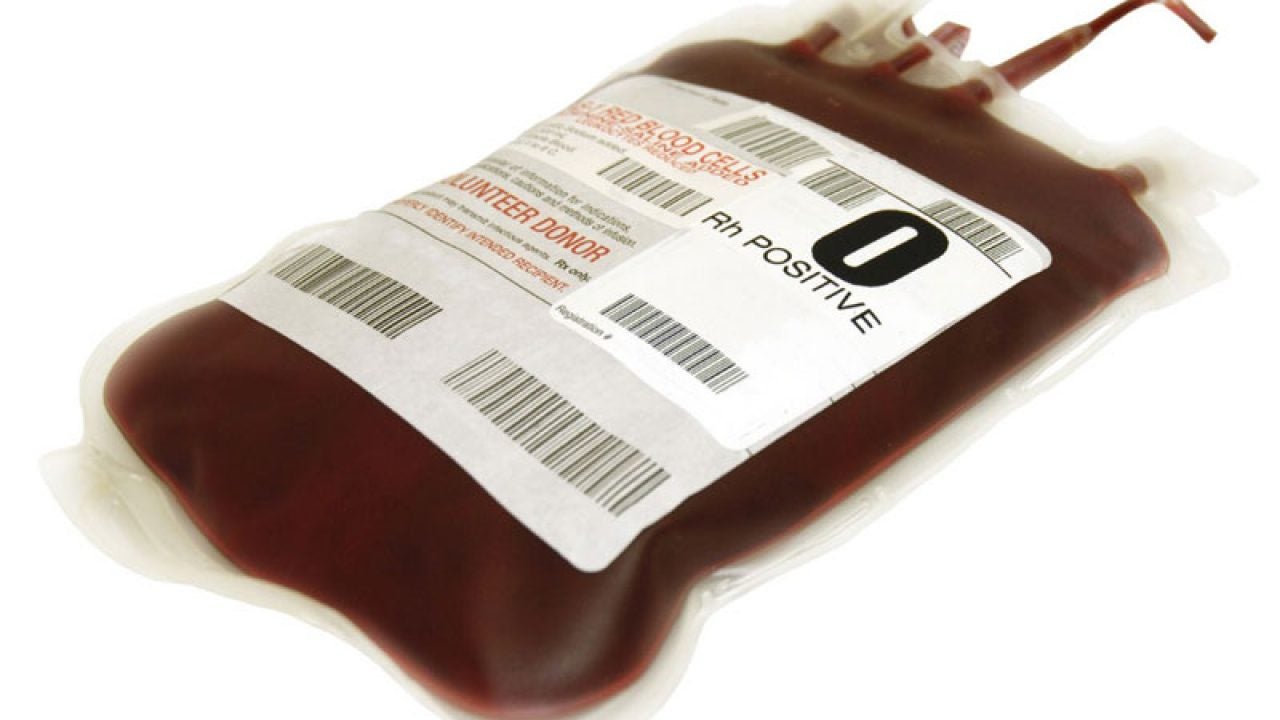
The issue was raised in the Senate by Senator Prisca Mupfumira, who questioned why blood donated free of charge by citizens is sold for more than $200 per pint by the National Blood Transfusion Services (NBTS).
She asked what measures were being put in place to ease the burden on patients and whether services could be decentralised so that blood is more accessible in provinces outside Harare. She also noted that the NBTS is not a government-owned entity.
Responding on behalf of the Ministry of Health and Child Care, Deputy Minister Sleiman Kwidini acknowledged that the existing pricing structure was too high for many Zimbabweans.
“The price marked by the National Blood Transfusion Service is very high,” he said, adding that the government had set up an audit team to examine the cost structure.
Kwidini said the review had resulted in a proposed price of $80 per pint.
He said pilot blood processing was already under way at Parirenyatwa Group of Hospitals, where relatives of patients can donate blood which is then processed on site. However, he described the current capacity as limited.
The government, he added, intends to establish its own larger-scale blood processing facilities in order to reduce reliance on the NBTS.
“What we are looking forward to as a ministry and government is to venture into what is being done by the National Blood Transfusion Service,” he said, describing the organisation as an NGO. He said the state’s involvement would complement the existing system.
Kwidini said technical teams were assessing the resources required to expand processing capacity and decentralise services to provincial hospitals.
Currently, blood collected nationwide by the NBTS is processed in Harare.
The government has not indicated when the expanded services would be rolled out or how they would be funded.