Are scars from the Crack Era affecting how we use cannabis?
Lady Namastizzle discusses how Crack Era trauma and the war on drugs continue to shape Black and Brown communities’ relationships to cannabis glassware and concentrates. She also addresses cannabis education, Black ownership, taxation and her advocacy work in San Francisco. The post Are scars from the Crack Era affecting how we use cannabis? appeared first on San Francisco Bay View.
 Black News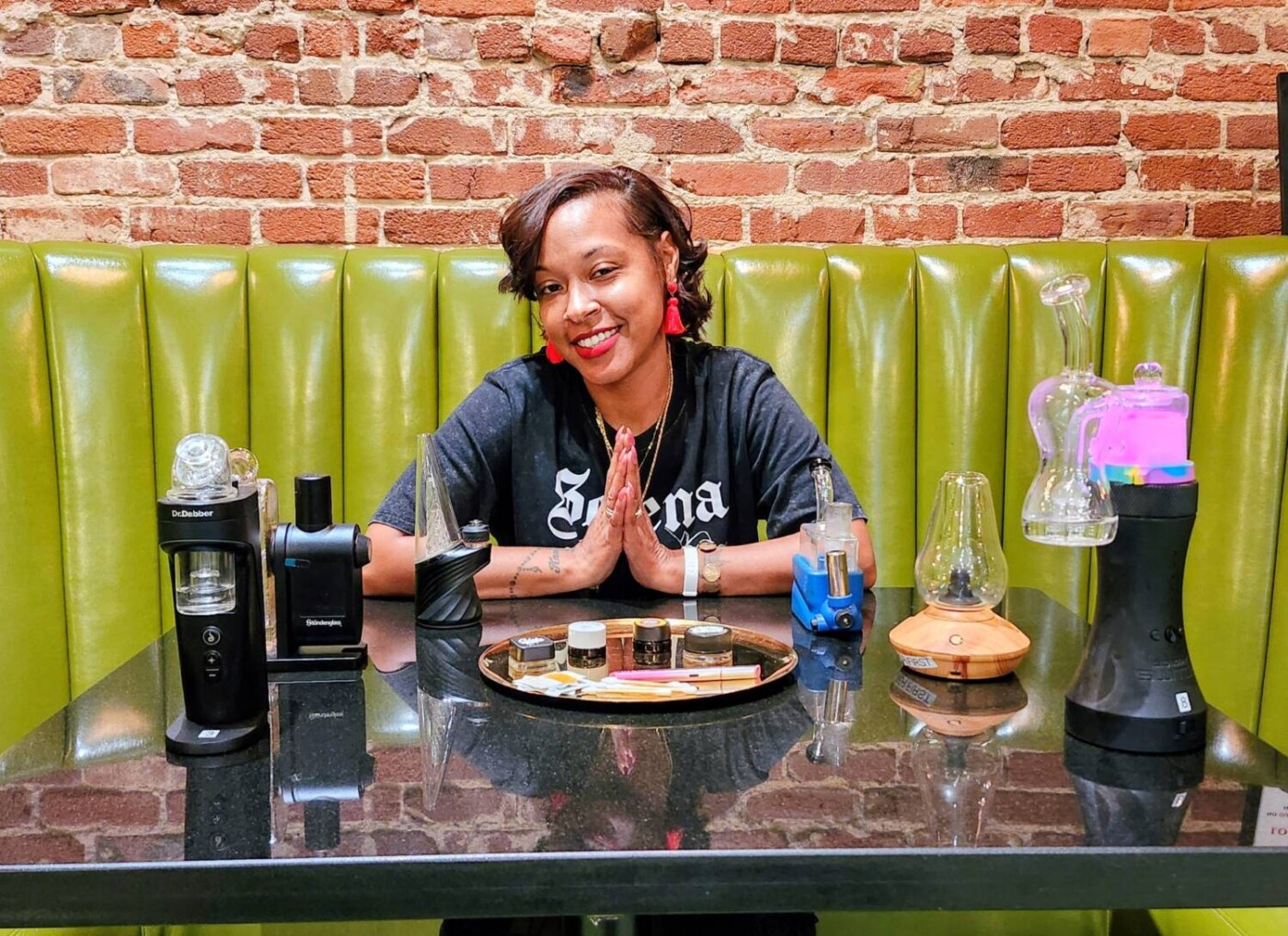
by JR Valrey
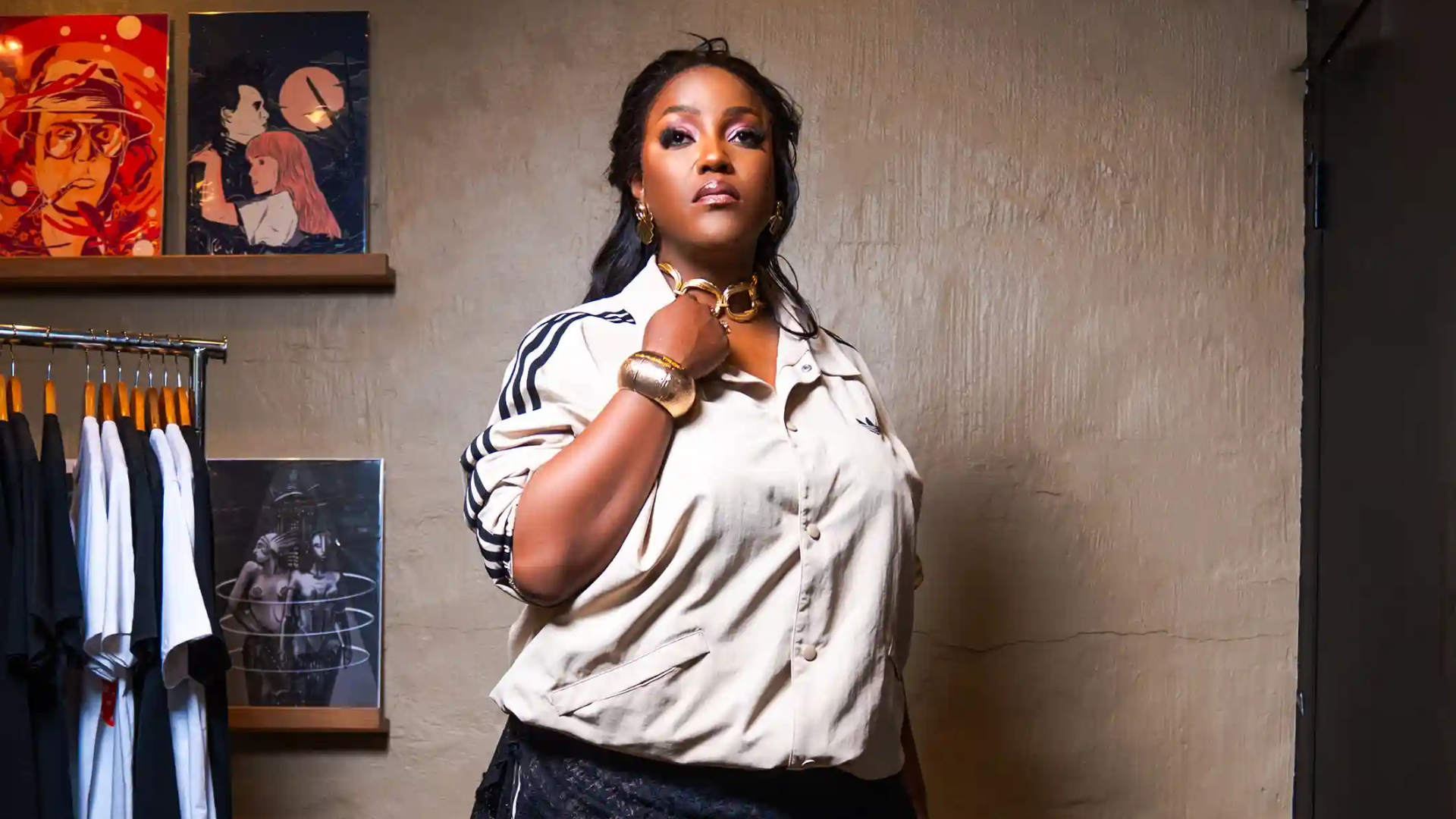
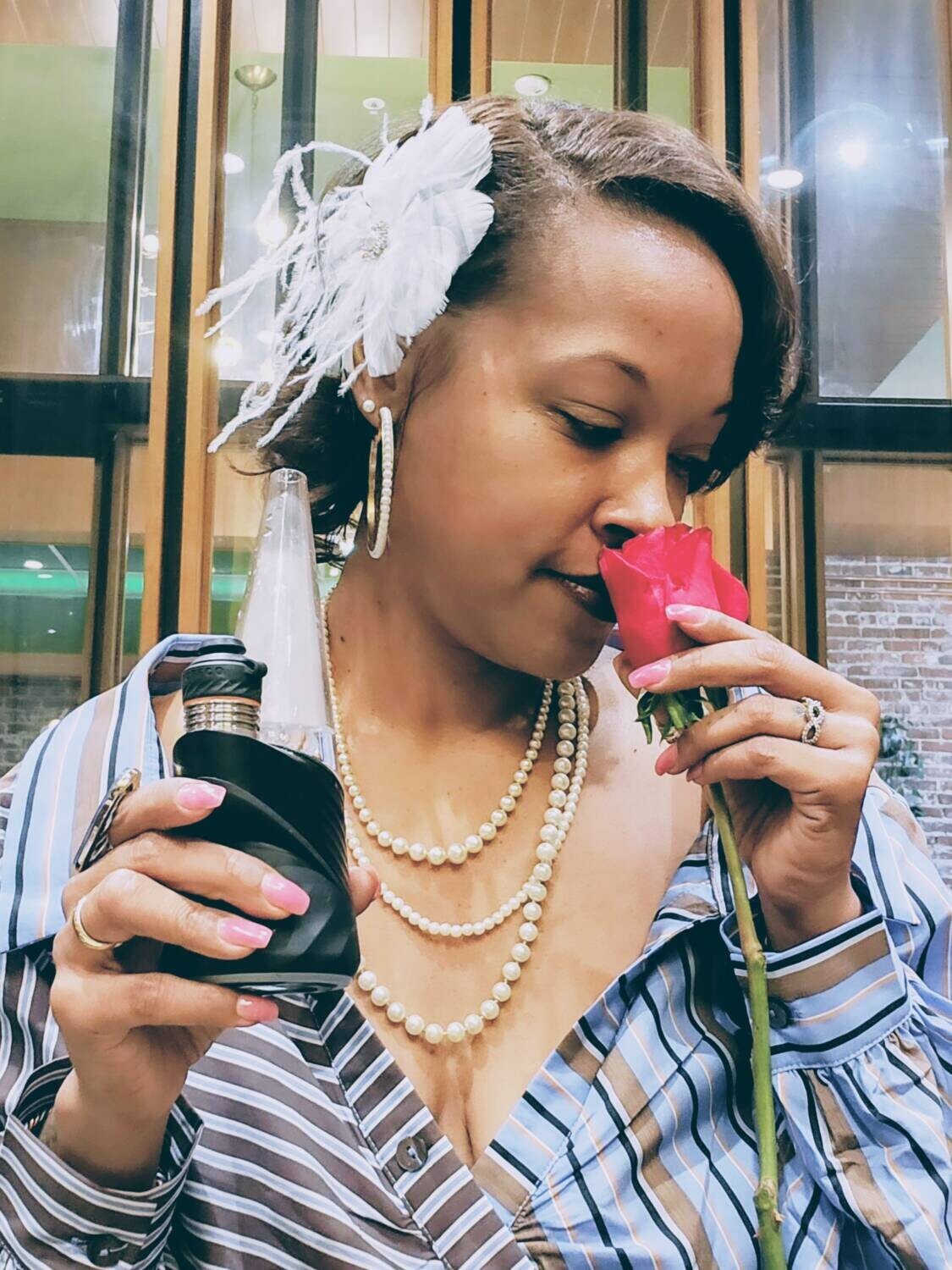
The Indica Auntie aka Lady Namastizzle is one of the more famous Black cannabis authors, educators and entrepreneurs hailing from the Bay Area. This article is the result of a very informative conversation that she and I had around different aspects of the cannabis world, including the scars of the Crack Era, heavy taxation that California state government imposes on cannabis business owners, her own “indicactivites” and more.
JR Valrey: You and I recently had a dope conversation about the stigmatism that crack has left in the minds of Black people when it comes to using cannabis pipes, especially glass pipes. Can you expand on that? How does that stigmatism affect our health in the long run?
Lady Namastizzle: De-stigmatizing glass is about the effect that the Crack Era and the war on drugs had on our community, acutely reflected in the cannabis culture. I have come to witness the trauma of glass, the fear of rosin, hash and torches on the Black and Brown communities. The Crack Era trauma didn’t disappear. It shows up in other ways. While we minimally use glass pipes or rarely participate in the concentrate culture, we are traumatized and uninformed. It’s not about health in this aspect; it’s about healing trauma and proper education on a variety of consumption methods. When you understand the trauma of the Crack Era, the effects of the war on drugs and speak the same language, it allows a release of pain, knowing we are not doing the same thing, and being able to make connections in our reflection of language and culture.
Not to say that dabbing doesn’t have her benefits too, like it’s great for chronic pain, offering fast relief from anxiety and nausea. It is considered to be a cleaner smoke and requires a lot less product with a higher THC content.
JR Valrey: How does that stigmatism affect us in the long run, in reference to business?
Lady Namastizzle: As of this article, I have only heard of two Black-owned concentrate companies located on the East Coast and two Brown-owned concentrate companies located in the Los Angeles area. After asking others in the industry, just to get feedback, I can’t say I wasn’t surprised. Some never thought of it and even asked if there was a market for us in that sector of the industry. When as far as I am concerned there is a market for us in every market, but I was also informed that it’s the equity required in these sectors that isn’t necessarily accessible to us in business, that keeps us out of spaces, markets, education and holding on to generational trauma that we deserve to let go of.
JR Valrey: What is the difference between rosin and resin? Who should use what?
Lady Namastizzle: Concentrates can be complicated enough with all the terms, but it’s important to be informed. Many think they are the same; however, let the spelling be your guide. Rosin, with an O, it takes heat and pressure to create. Resin, with an E, requires chemicals such as propane or butane to create. Think gas tank E, chemicals, and O for organic without chemicals. The sticky brown substance is resin on the back of the papers or cigars when smoked. Hash is another term which many of us have heard of. Hash is kief compressed and treated similar to rosin, with heat and pressure, but also there’s a few other extraction methods.
These terms are important in personal consumption choices, not necessarily just for who should or shouldn’t use them. Being able to make an informed choice on how and what you consume, is the key.
JR Valrey: What have your experiences been like as a Black cannabis women entrepreneur when you attend these different cannabis conventions?
Lady Namastizzle: When I first began going to events, it was for networking connections in the industry. Then too more often than not, I was the only Black woman in the room, and it became about being in these spaces to learn more to bridge the gap for my community. Like Hash Week happened this past July. It was amazing talking to vendors about the trauma of rigs, torches and the reactions to concentrates. They were mostly white males, and being the only Black women in any space can be exhausting sometimes.
JR Valrey: Can you talk about your cannabis yoga classes? When and where are you offering them?
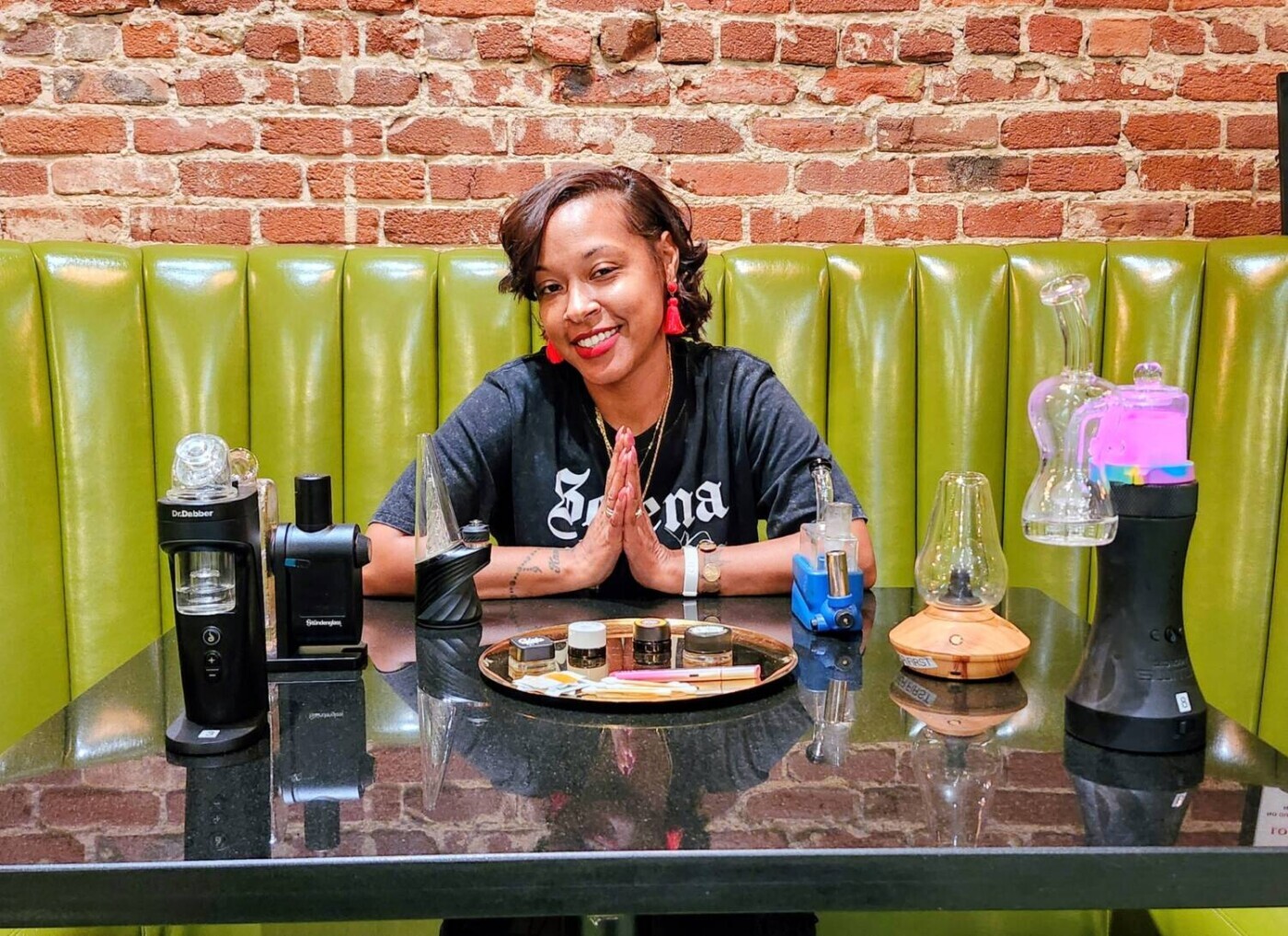
Lady Namastizzle: One on one classes are available, and I am special event focused. Cannabis advocacy and education is the most important highlight now, with laws changing and targeting small businesses, we need to know all we can. Some laws like the “Hemp Ban” can and will affect class offerings. Navigating this helps to make sure there will be classes in the future for me and others. Currently I host “De-stigmatizing Glass Experiences” and a “Ladies Night” at Moe Green’s dispensary in San Francisco, once a month: making glass accessible, having new experiences in safe spaces, and with people that look like us. I am for the culture and the representation of my people.
JR Valrey: Can you talk about your book? What is it about?
Lady Namastizzle: My book “Indica Aunties” duality edition, is about the historical significance of cannabis used by women throughout history, the holistic use of cannabis in aiding with a variety of feminine ailments, as well as endocannabinoid system pairing with herbs, plants and mushrooms including magic mushrooms. I just wanted women to have options in pain, healing and natural remedies passed on, not bought on some shelf with ingredients we can’t pronounce; custom made for you personally for your body’s needs: from sitz baths for postpartum, tinctures for PMS, teas for womb care, infusion for lube, suppositories for menopause to mushrooms for overall health. “Indica Aunties” duality edition has got you covered.
JR Valrey: With the high state taxes and all the required permits needed, is it worth it for Black entrepreneurs to invest in 2026 in cannabis? Why or why not?
Lady Namastizzle: The cannabis market is overflowing with all the fees, rules, regulations and taxes; it’s scary and overwhelming. The market is hard. Many people stick to the same format, such as prerolls, eighth and gummies. What about the other elements of cannabis – pipes, concentrates, edible baked goods, candy etc? Black men hold minimal ownership, and Black women hold even less equity and ownership. With any business, loss can happen but Black ownership is always worth investing in!
JR Valrey: How could people contact you?
Lady Namastizzle: Follow me on IG @ladynamastizzle to contact me for speaking, hosting, or yoga. Email me at ladynamastizzle@gmail.com.
SF Bay View Editor-in-Chief JR Valrey is a veteran journalist. His work can also be heard on www.blockreportradioworld.com. He can be reached at jr@sfbayview.com.
The post Are scars from the Crack Era affecting how we use cannabis? appeared first on San Francisco Bay View.