House passes changes to anti-terrorism laws
The House of Assembly on Tuesday unanimously supported amendments to Saint Lucia’s anti-terrorism legislation, backing changes to strengthen the legal framework and align it with international standards. The amendments, presented by Attorney General Leslie Mondesir, address gaps in the current law and improve how authorities handle terrorism and its financing. Mondesir told Parliament that the […] The article House passes changes to anti-terrorism laws is from St. Lucia Times.
 Black News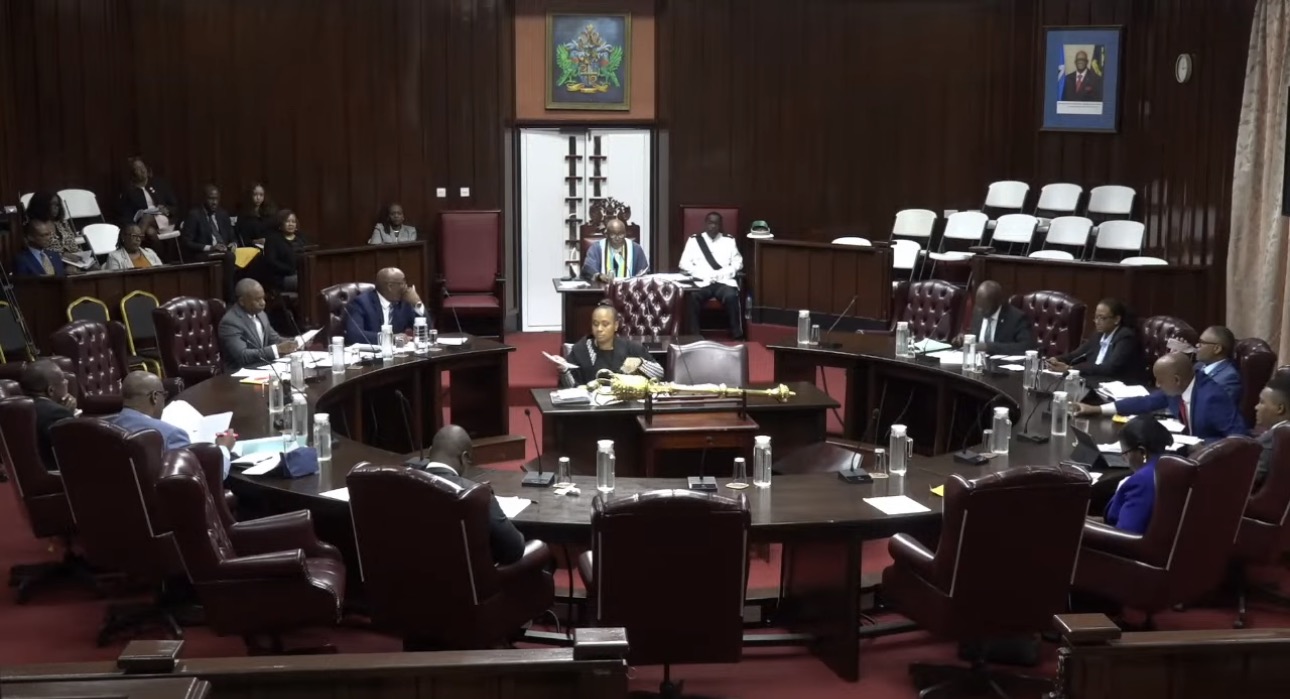
The House of Assembly on Tuesday unanimously supported amendments to Saint Lucia’s anti-terrorism legislation, backing changes to strengthen the legal framework and align it with international standards.
The amendments, presented by Attorney General Leslie Mondesir, address gaps in the current law and improve how authorities handle terrorism and its financing.
Mondesir told Parliament that the changes are necessary to ensure compliance with international obligations, especially those set by the Financial Action Task Force (FATF), which evaluates countries on their efforts to combat money laundering and terrorist financing.
“The bill will significantly enhance St Lucia’s ability to respond to terrorism and terrorist financing… and ensure compliance with international standards,” Mondesir said.
He explained that previous assessments identified shortcomings in coordination among agencies, in enforcement, and in the timeliness of action. The amendments address these by setting clearer procedures and strengthening institutional responsibilities.
Key changes include a requirement for more timely action in suspected terrorist activity cases, including a provision mandating the Attorney General to act within 48 hours when submitting proposals under international sanctions regimes.
The bill also expands the role of the Royal Saint Lucia Police Force, giving it the authority to freeze funds in urgent situations.
Supporting the amendments, Parliamentary Representative for Laborie Alva Baptiste said the legislation goes beyond national security. He warned countries that fail to meet international standards risk increased scrutiny and potential economic fallout.
“Jurisdictions that have been deemed deficient have faced… higher cost of doing business and reputational damage that affects investment, tourism and trade,” he said.
He also emphasised the importance of stronger coordination among government agencies, noting that improved information sharing and clearer roles will be key to effectively implementing the new measures.
The article House passes changes to anti-terrorism laws is from St. Lucia Times.