Hunger By Policy: The Big Beautiful Bill Is Already Stripping Food Aid from Millions of Black Americans
For the more than 10 million Black Americans who rely on federal food assistance to feed their families, the projected damage from food-aid cuts was not just a warning. They were all but a done deal. The “One Big, Beautiful Bill Act,” signed into law in 2025, slashed $187 billion from the Supplemental Nutrition Assistance […] The post Hunger By Policy: The Big Beautiful Bill Is Already Stripping Food Aid from Millions of Black Americans appeared first on Word In Black.
 Black News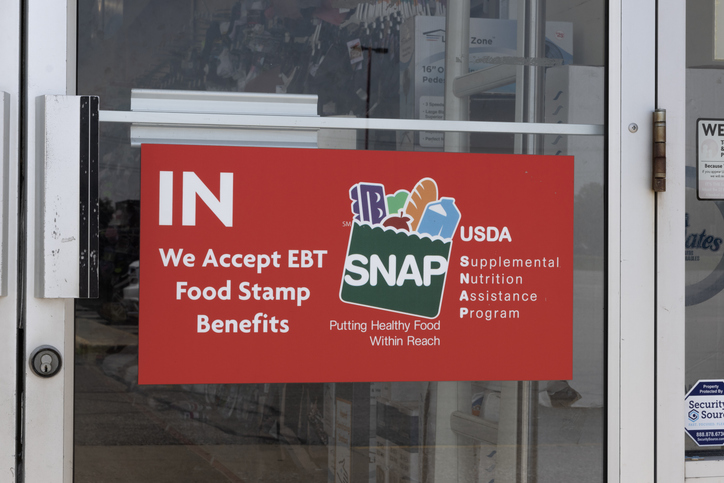

For the more than 10 million Black Americans who rely on federal food assistance to feed their families, the projected damage from food-aid cuts was not just a warning. They were all but a done deal.
The “One Big, Beautiful Bill Act,” signed into law in 2025, slashed $187 billion from the Supplemental Nutrition Assistance Program, also known as SNAP, over the next decade — triggering new work requirements, restricting what recipients can buy, and stripping benefits from legal immigrants.
The result: more than 4 million people — a cohort the size of Los Angeles’ population — have already lost SNAP since the law took effect. Hunger prevention advocates say Black Americans have been disproportionately affected, and that the worst is still ahead.
The average SNAP benefit amounts to just $187 a month — or barely $6 a day — to supplement a household’s food budget. For many recipients, that modest sum is the difference between consistent meals and food insecurity.
And despite time-worn narratives about SNAP recipients being unemployed, Census Bureau data show that more than 75 percent of households receiving SNAP benefits include at least one working person. The reality is SNAP is not a program for people who won’t work — it’s a program for people whose work doesn’t pay enough.
Who Is Affected
Dating back to the 1960s and President Lyndon Johnson’s Great Society agenda, SNAP currently serves approximately 42 million Americans each month at an annual cost of roughly $113 billion, nearly all of which goes directly to food benefits.
Roughly 26 percent of SNAP participants — approximately 10.2 million people — are Black. Experts say the participation rate reflects both the program’s reach into low-income communities and the persistent racial wealth and wage gaps that leave Black families with fewer financial cushions when income falls short.
But new work requirements in the OBBBA budget have made it even harder for people to qualify for help putting food on the table.
More People At Risk
Federal work requirements for SNAP are not new. For years, recipients aged of 16 to 59 who are physically able to work have been required to register for employment and participate in job training programs. SNAP recipients who already have a job are barred from quitting or working less than 30 hours per week.
The OBBBA, however, significantly expanded to whom those requirements apply — and sharply limited the circumstances under which states can shield their residents from those restrictions.
Under the new law, adults between ages 55 and 64 — who had been exempt — must now work, volunteer, or participate in job training for at least 80 hours per month to keep their benefits beyond three months. Parents whose youngest child is 14 or older are newly subject to requirements, as are veterans, people experiencing homelessness, and former foster youth, who lose exemptions they previously held.
States can now waive the requirements only in areas where unemployment exceeds 10 percent — a much higher bar than before. Analysts say that will make it substantially harder for states to provide relief, even in communities where jobs are scarce.
The impact on Black recipients is expected to be particularly severe.
The Center on Budget and Policy Priorities estimates that more than 1 million adults aged 55 and older will lose food assistance under the expanded rules. The law also strips SNAP eligibility from legal immigrants — a provision that advocates say falls heavily on Black and Latino communities with residents from Caribbean and Central American countries.
What Can’t Go In the Shopping Cart
The cuts and work requirements are only part of the story. For the first time, the federal government is allowing states to decide what SNAP recipients can and cannot purchase — a fundamental shift away from a uniform national standard toward a fragmented, state-by-state system that civil rights and nutrition advocates say disproportionately harms Black communities the most.
Last May, Agriculture Secretary Brooke Rollins signed the first-of-its-kind waiver for Nebraska, prohibiting SNAP recipients from buying sodas and energy drinks; Indiana and Iowa followed suit within days. Those restrictions took effect January 1; to date, 22 states ban consumers from spending SNAP funds on certain items, ranging from candy and sweetened beverages to prepared desserts.
Several of the states moving fastest to implement purchasing restrictions have some of the largest Black populations in the country. Texas, Florida, Louisiana, Oklahoma, Tennessee, and South Carolina are among those phasing in changes this year. Texas’s restrictions took effect last month and were expected to affect more than 3.5 million recipients.
Opponents point out the irony: the same states restricting what low-income Black residents can buy with their food benefits have made next to no investments in grocery access in Black neighborhoods. As a result, many residents depend on corner stores and convenience markets, where junk food is abundant but fresh fruits and vegetables are harder to find.
Recipients in five states — Colorado, Iowa, Nebraska, Tennessee, and West Virginia — have sued to roll back the restrictions. They argue that the Trump administration’s sweeping changes violated the law and were made outside of established procedures. The outcome of that litigation could determine whether the restrictions survive or if they are sent back to the drawing board.
Food Banks Can’t Make Up the Shortfall
As millions of Americans lose SNAP benefits, hunger prevention advocates are sounding the alarm about what comes next — and what cannot fill the void.
SNAP provides nine meals for every one meal supplied by emergency food charities, food banks, and pantries. The nation’s charitable food system, already stretched beyond capacity following the economic disruptions of recent years, is not equipped to absorb the losses now being engineered by federal policy.
Advocates estimated that the OBBBA’s changes will result in more than 6 billion fewer meals being available to low-income Americans. For Black communities, the impact is compounded by geography. Food banks and pantries are unevenly distributed nationwide, and with many recipients living in food-desert neighborhoods, emergency food resources are already thin. During a Congressional hearing last month, anti-hunger advocates were direct: no combination of local food drives, food pantries, or private charity can replace a government program that feeds millions of people each day.
The post Hunger By Policy: The Big Beautiful Bill Is Already Stripping Food Aid from Millions of Black Americans appeared first on Word In Black.