Nearly 1 billion Africans remain offline despite mobile economy’s $290 billion growth forecast
Mobile technologies are projected to contribute $290 billion to Africa’s economy by 2030, but the continent’s biggest digital challenge is no longer network coverage. It is getting people who already live within coverage areas to use the internet.
 Black News
Mobile technologies are projected to contribute $290 billion to Africa’s economy by 2030, but the continent’s biggest digital challenge is no longer network coverage. It is getting people who already live within coverage areas to use the internet.
- Mobile technologies contributed $240 billion to Africa’s economy in 2025 and are projected to reach $290 billion by 2030.
- GSMA says the continent’s biggest digital challenge is no longer network coverage but internet adoption.
- Nearly 1 billion Africans live within mobile broadband coverage areas but do not use mobile internet.
- Operators are investing heavily in AI, digital services, 4G and 5G networks to drive future growth.
The GSMA Mobile Economy Africa 2026 report released on Tuesday said mobile technologies and services contributed $240 billion to Africa’s economy in 2025, equivalent to 7.8% of the continent’s gross domestic product (GDP).
The sector also supported 13 million jobs and generated $45 billion in public revenues, highlighting its growing role in employment, taxation, innovation and digital transformation across Africa.
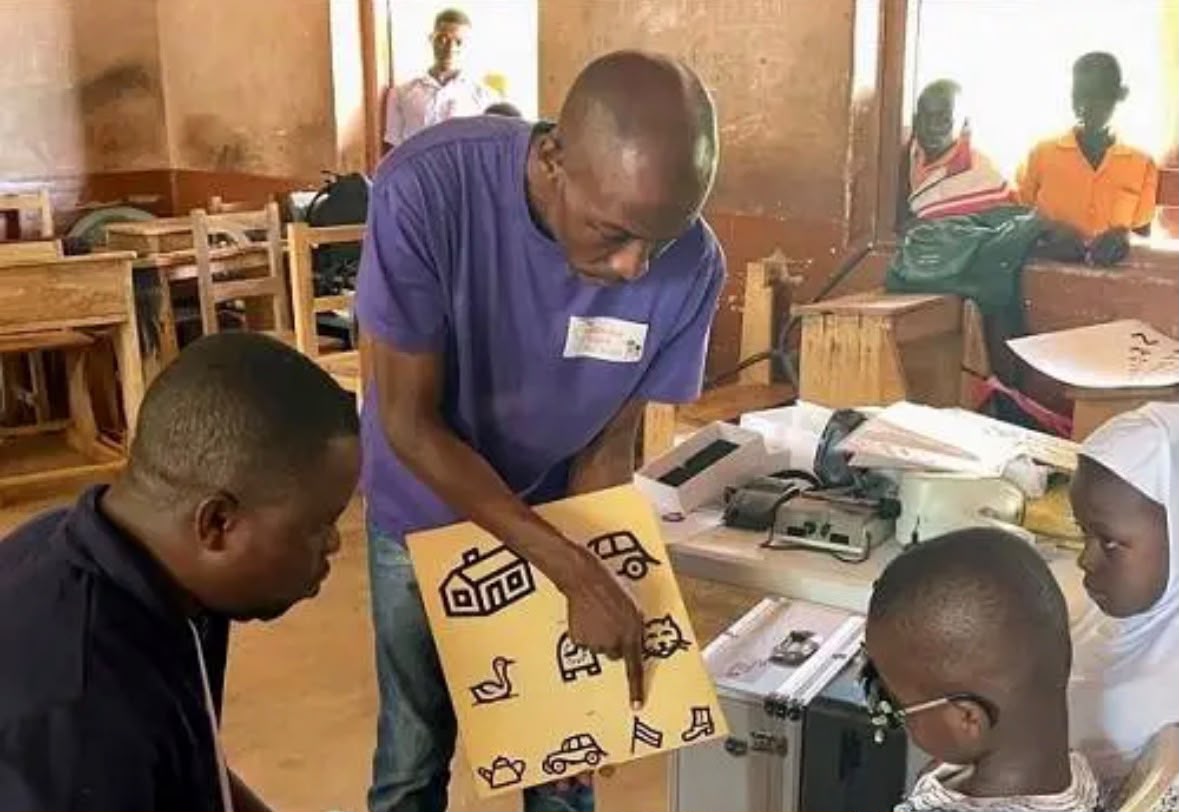
Yet the report reveals a striking reality: while mobile broadband networks now reach most of the continent’s population, hundreds of millions of Africans remain disconnected.
Only about 9% of Africans live outside mobile broadband coverage, according to GSMA. By contrast, 63% of the population, representing nearly 1 billion people, live within coverage areas but do not use mobile internet.
The finding underscores a major shift in Africa’s digital development journey. The challenge is no longer primarily about building networks but about ensuring people can afford and use them.
Africa’s connectivity challenge is changing
For more than a decade, telecom operators across Africa invested heavily in expanding network coverage through new towers, fibre infrastructure and mobile broadband services.
Those investments significantly improved access to connectivity across the continent.
Today, however, affordability, limited digital skills, low smartphone ownership, online safety concerns and social barriers have emerged as the biggest obstacles to internet adoption.
In many African markets, smartphone prices remain out of reach for low-income households, while data costs continue to discourage regular internet use despite improvements in coverage.
GSMA said closing the usage gap could unlock significant economic opportunities by bringing millions more people into the digital economy.
Mobile sector remains a major economic force
The report highlights the growing importance of mobile technology to Africa’s economic future.
Beyond contributing $240 billion to GDP in 2025, the sector supported 13 million jobs and generated $45 billion in government revenues through taxes, spectrum fees, licence payments and other contributions.
Mobile-enabled services are increasingly supporting financial inclusion, digital commerce, healthcare delivery, education and public services across the continent.
Africa also remains the world’s largest mobile money market, with millions of people relying on mobile financial services where access to traditional banking remains limited.
The GSMA expects mobile technologies to contribute $290 billion to the continent’s economy by 2030 as internet adoption, digital payments, enterprise services and emerging technologies continue to expand.
Telecom operators move beyond connectivity
The report suggests African telecom operators are increasingly repositioning themselves as digital transformation partners rather than simply providers of voice and data services.
More than three-quarters of operators surveyed said expanding digital services, deploying artificial intelligence and opening network capabilities to third-party developers have become key strategic priorities.
The shift reflects growing pressure on telecom companies to diversify revenue streams beyond traditional telecommunications services.
Operators across the continent are increasingly investing in fintech, cloud computing, cybersecurity, digital identity solutions, enterprise services and AI-powered customer support platforms.
GSMA said many operators are now moving from AI experimentation to practical deployment, using the technology to improve network performance, automate customer service and support business operations.
Billions still flowing into infrastructure
Despite the growing focus on digital services, infrastructure investment remains a critical priority.
The report estimates that mobile operators will invest more than $76 billion in network infrastructure between 2025 and 2030.
Much of that spending will support 4G expansion, 5G deployment, fibre connectivity and improvements in network quality.
The investment comes as demand for data-intensive services, artificial intelligence applications, streaming platforms, e-commerce and enterprise digitalisation continues to grow.
The rollout of next-generation networks is expected to play a key role in supporting Africa’s digital economy over the coming decade.
Africa remains one of the world’s fastest-growing digital markets, supported by rapid urbanisation, a young population and rising demand for digital services.
International investors continue to target telecommunications, fintech, digital infrastructure and technology-enabled services as long-term growth opportunities.
However, the GSMA report suggests the success of Africa’s digital future may depend less on expanding coverage and more on ensuring people can meaningfully participate in the online economy.
For governments, closing the usage gap could boost productivity, financial inclusion and tax revenues, it represents millions of potential new customers for operators, and for businesses, it could unlock one of the largest untapped digital consumer markets in the world.