Nigeria targets South Africa with economic and diplomatic threats over xenophobic attacks
Nigerian lawmakers have called for firm diplomatic and economic measures against South Africa following a fresh wave of xenophobic violence that has reportedly claimed the lives of Nigerian citizens.
 Black News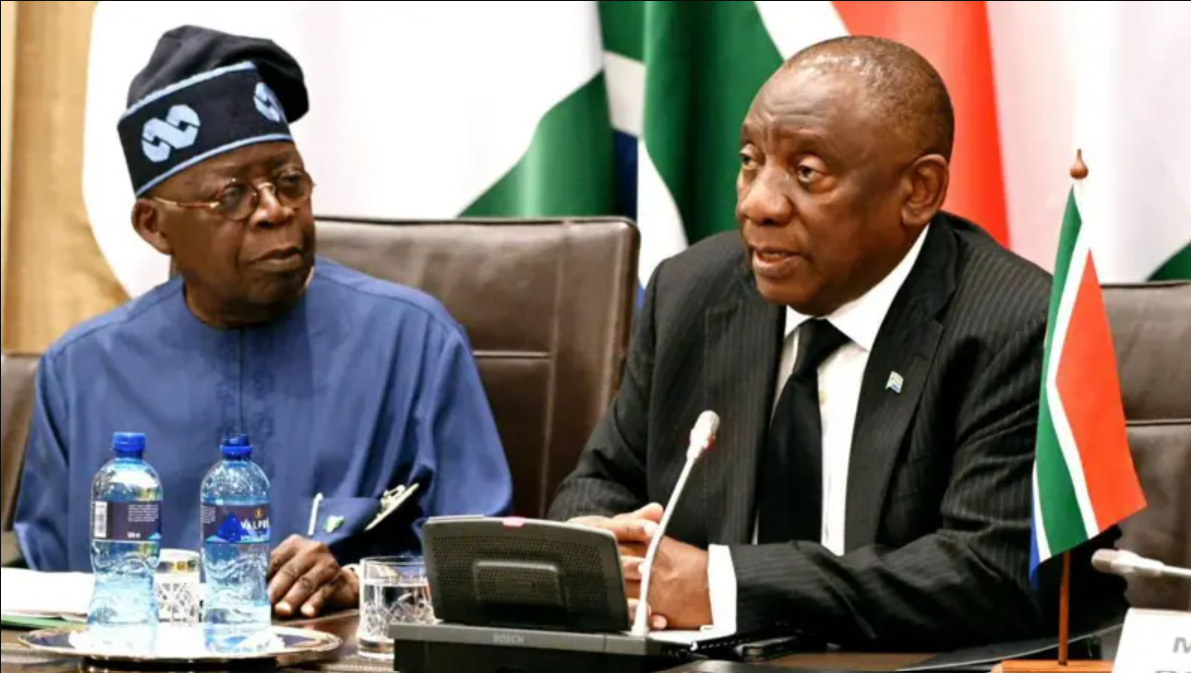

Nigerian lawmakers have called for firm diplomatic and economic measures against South Africa following a fresh wave of xenophobic violence that has reportedly claimed the lives of Nigerian citizens.
- Nigerian Lawmakers have demanded strong diplomatic and economic measures against South Africa over renewed xenophobic violence.
- Lawmakers instructed Nigeria’s Foreign Affairs Ministry to press South African authorities for better protection.
- The House also proposed suspending diplomatic ties, trade, and aviation agreements, plus restrictions on South African businesses in Nigeria.
- The attacks have fueled pan-African outrage, prompting calls for the Pan-African Parliament to step up anti-xenophobia measures.
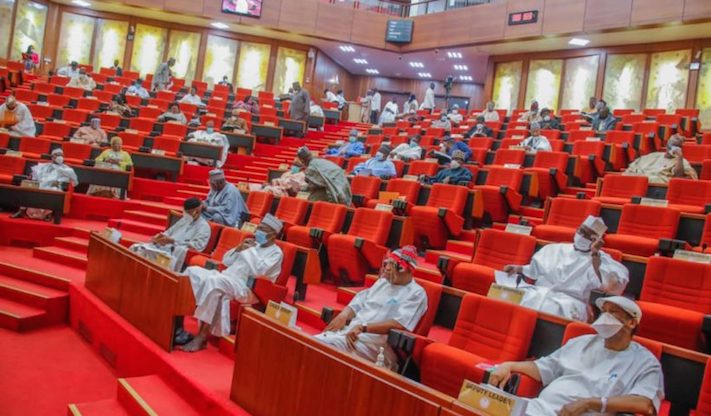
The lawmakers reached the decision after adopting a motion of urgent national importance presented by Donald Ojogo and Billy Osawaru, who warned that Nigerians living in South Africa are increasingly becoming targets of violent attacks.
Among those cited were Ekpenyong Andrew and Amaramiro Emmanuel, reportedly killed in separate incidents linked to the unrest.
The House has directed Nigeria’s Ministry of Foreign Affairs to immediately engage South African authorities and demand stronger protection for its citizens.
It also urged the federal government to prepare evacuation plans for Nigerians willing to leave affected areas, alongside financial and logistical support.
In a related development, Senator Adams Oshiomhole called on the Nigerian government to take retaliatory action against South African businesses operating in Nigeria following the recent attacks on Nigerians in South Africa.
Speaking during plenary, Oshiomhole urged authorities to consider revoking the operating licences of South African-owned firms such as MTN and DStv.
“I am not going to shed tears. If you hit me, I hit you. I think it is appropriate in diplomacy. It is an economic struggle,” he said.
He argued that Nigeria must respond firmly to what he described as persistent hostility, adding: “We will not condone any life being lost… to kill our people as if we are helpless, we will not allow that.”
In a more assertive stance, lawmakers proposed the possible suspension of diplomatic relations, trade, and aviation agreements with South Africa, as well as restrictions on South African businesses operating in Nigeria.
Diplomatic tensions deepen across West Africa
The development comes amid broader diplomatic pushback from West Africa.
The Nigerian government has already summoned South Africa’s envoy over the reported attacks, while Ghana has taken similar diplomatic steps following allegations that its citizens were harassed and businesses targeted.
Both moves reflect growing regional pressure on South Africa to address recurring xenophobic violence, with officials in Abuja and Accra demanding stronger protection for their nationals, accountability for perpetrators, and clearer assurances that such incidents will not be repeated.
Deputy Speaker Benjamin Kalu, who presided over the session, described the attacks as a betrayal of African solidarity, warning that such violence risks undermining decades of regional cooperation.
Continental frustration grows
The incidents have triggered wider outrage across Africa, where xenophobic violence in South Africa has long been a source of diplomatic friction.
Critics argue that recurring attacks, coupled with limited accountability, are fuelling resentment and eroding trust among African nations.
Lawmakers have now called on the Pan-African Parliament to intensify efforts to combat xenophobia and strengthen protections for migrants across the continent.
As tensions rise, the situation underscores a broader challenge for African unity—balancing national pressures with the need to protect citizens and uphold regional integration.
The South African government has however reiterated its commitment to protecting foreign nationals and condemned the recent incidents, saying security agencies are investigating the attacks and that those responsible will be held accountable.