South Africa challenges WHO's account of migrant killings amid rising anti-immigrant tensions.
South Africa's government has moved to challenge what it describes as inaccurate international reporting on recent deaths involving foreign nationals, announcing plans to engage directly with the World Health Organization (WHO) over its characterization of the incidents.
 Black News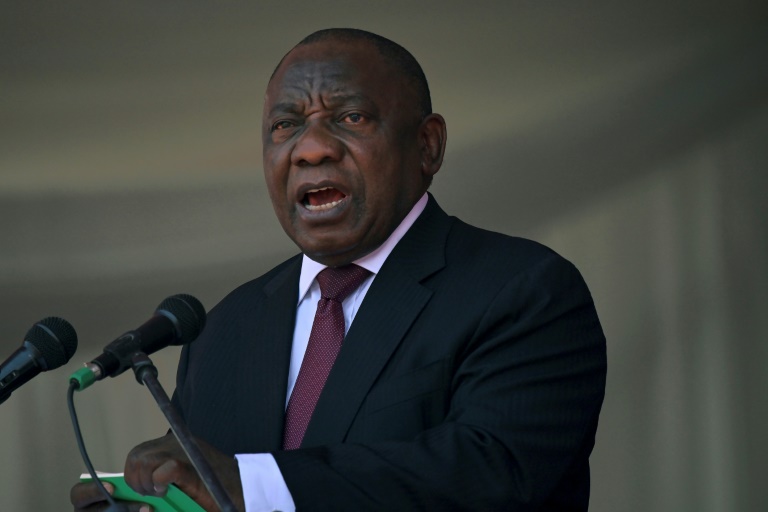
South Africa's government has moved to challenge what it describes as inaccurate international reporting on recent deaths involving foreign nationals, announcing plans to engage directly with the World Health Organization (WHO) over its characterization of the incidents.
- South Africa's government disputes WHO's description of recent deaths of foreign nationals, calling the reports inaccurate.
- Officials claim the deaths of Ethiopian nationals were a result of organized crime, not xenophobic violence, and are under active police investigation.
- The government plans to formally engage the WHO to correct what it views as misleading portrayals of the incidents.
- The controversy occurs amid increasing immigration-related tensions and anti-foreigner sentiment in South African communities.
The Department of International Relations and Cooperation (DIRCO) first signaled the government's concerns through spokesperson Chrispin Phiri, who said authorities would engage the WHO to correct what it viewed as misleading portrayals of fatalities linked to the country's escalating immigration tensions.
The move followed comments by WHO Director-General Tedros Adhanom Ghebreyesus, who said at least five Ethiopian and five Mozambican nationals had been killed, while thousands more were displaced amid anti-immigrant protests in South Africa.
DON'T MISS THIS: Ramaphosa disowns vigilante immigration checks as xenophobia fears grow in South Africa
Phiri disputed the characterization of the deaths involving Ethiopian nationals, saying available information indicated that the incidents stemmed from organized crime rather than xenophobic violence.
"These incidents are under active investigation by law enforcement," Phiri said, adding that the South African Police Service was also investigating the cases involving Mozambican nationals.
In a statement issued on Monday, the Presidency reinforced Dirco's position and announced that South Africa would formally engage the WHO to ensure that information before the organization was "accurate and reliable."
![The controversy occurs amid increasing immigration-related tensions and anti-foreigner sentiment in South African communities. [Photo: Indranil Aditya/Bloomberg via Getty Images]](https://ocdn.eu/pulscms/MDA_/881727b2f70179cc827809641dc9cd8d.jpg)
Government pushes back on xenophobia narrative
"Most notably, the WHO's characterization of the deaths of the Ethiopian nationals is, unfortunately, incorrect," the Presidency said, adding that the incidents fell within the realm of organized crime and were already the subject of ongoing investigations.
The Presidency also confirmed that the cases involving Mozambican nationals remain under active investigation by the South African Police Service.
DON'T MISS THIS: South Africa's immigration crisis deepens as over 120 organizations unite to shift public anger amid June 30 ultimatum deadlines
While expressing condolences to affected families, President Cyril Ramaphosa's administration stressed that only duly authorized law enforcement officials have the mandate to enforce immigration laws, reiterating its opposition to vigilante action.
The dispute comes against a backdrop of growing tensions over migration in South Africa, where concerns about unemployment, pressure on public services, and competition for economic opportunities have fueled anti-foreigner sentiment in some communities.
The United Nations has acknowledged these socioeconomic pressures while warning that responses must remain lawful and grounded in human rights.
Tedros, who is Ethiopian, described the reported violence as a betrayal of South Africa's liberation legacy, noting the support provided by several African countries, including Ethiopia, during the anti-apartheid struggle.
The WHO has pledged continued support for social cohesion initiatives, improved service delivery, and efforts to combat misinformation, while expanding engagement with provincial and local authorities in hotspots including KwaZulu-Natal and the Western Cape.